
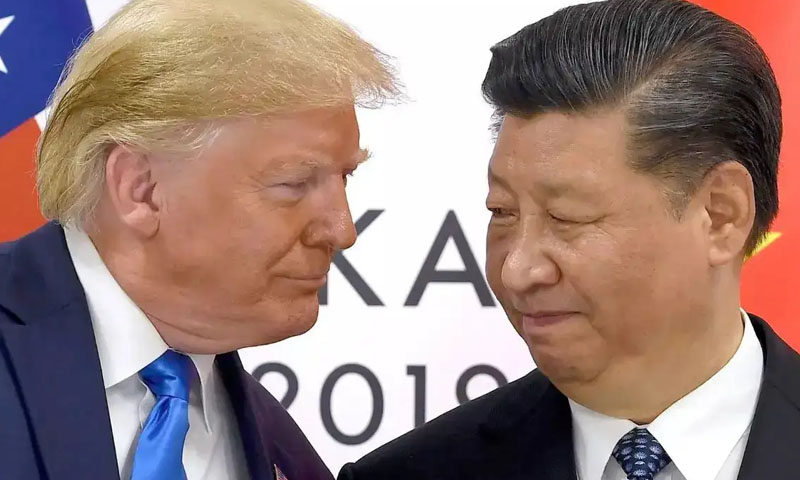
US President Donald Trump is set to embark on a crucial Asia tour, with one primary goal: securing a breakthrough agreement with Chinese President Xi Jinping during their meeting in South Korea. The trip covering stops in Malaysia, Japan, and South Korea marks Trump’s first major overseas mission since returning to the White House, and it comes at a time of renewed trade tensions between Washington and Beijing.
The key agenda item is a potential trade accord addressing tariff disputes, technology restrictions, and access to critical minerals. Both nations have hardened their positions in recent months China tightening control over rare earth exports, while the United States has threatened steep tariffs on Chinese goods if negotiations stall.
Although a full restoration of pre-2025 trade relations appears unlikely, insiders suggest both sides are exploring a limited deal. Possible outcomes could include a temporary easing of tariffs, renewed Chinese purchases of American goods, and new frameworks for high-tech export controls.
In addition to trade, the Trump–Xi discussions are expected to cover regional security concerns, China’s energy ties with Russia, and the ongoing tensions surrounding Taiwan. The format of the meeting — possibly an informal “pull-aside” rather than a formal summit highlights the cautious optimism surrounding the talks.
Trump’s wider Asia tour aims to reaffirm U.S. influence in the region and strengthen strategic partnerships. Yet, the meeting with Xi remains the defining moment of the trip — a test of whether political theatrics can evolve into tangible policy gains. The outcome could shape the future of U.S.–China relations and redefine the global balance of power.
