
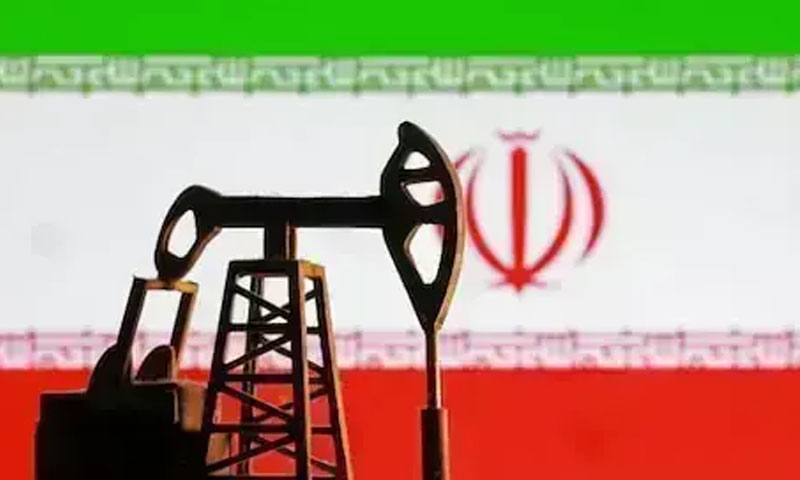
SINGAPORE: Oil prices edged higher on Friday but remained on track for a weekly decline as investors weighed fragile prospects of a breakthrough in US-Iran peace talks, amid continued volatility in global energy markets.
Weekly Losses Despite Friday Gains
Brent crude futures rose 1.66,or1.6percent,to104.24 a barrel by 0405 GMT, while US West Texas Intermediate (WTI) crude futures gained 1.11,or1.2percent,to97.46. Despite Friday’s gains, Brent is down 4.6 percent on a weekly basis, while WTI has fallen 7.6 percent, reflecting sharp swings in sentiment as expectations for a diplomatic deal fluctuate.
Diplomatic Signals Mixed
A senior Iranian source told Reuters that gaps with the United States had narrowed, while US Secretary of State Marco Rubio said there were “some good signs” in ongoing talks. However, both sides remain divided over Tehran’s uranium stockpile and controls on the Strait of Hormuz. Oil markets have remained sensitive to developments in the negotiations, which have shown limited progress since a fragile ceasefire took effect six weeks ago.
Analysts See Elevated Price Floor
“Oil prices would only trend lower when oil market fundamentals materially improve, which looks destined to stretch into 2027,” said David Oxley, chief commodities economist at Capital Economics. He added that underlying supply constraints and geopolitical risks continue to support elevated price levels.
Satoru Yoshida of Rakuten Securities said US crude is likely to remain in the 90–110 per barrel range in the near term. BMI, a unit of Fitch Solutions, raised its average 2026 Brent price forecast to 90from81.50, citing persistent supply deficits and damage to Middle East energy infrastructure.
Supply Disruptions Persist
Around 20 percent of global energy supplies previously transited the Strait of Hormuz before the conflict, with the war effectively removing about 14 million barrels per day of oil from the market. The head of the UAE’s ADNOC said full oil flows through the Strait would not return before the first or second quarter of 2027. Seven leading OPEC+ producers are expected to consider a modest output increase for July at their June 7 meeting, though implementation remains complicated.
