
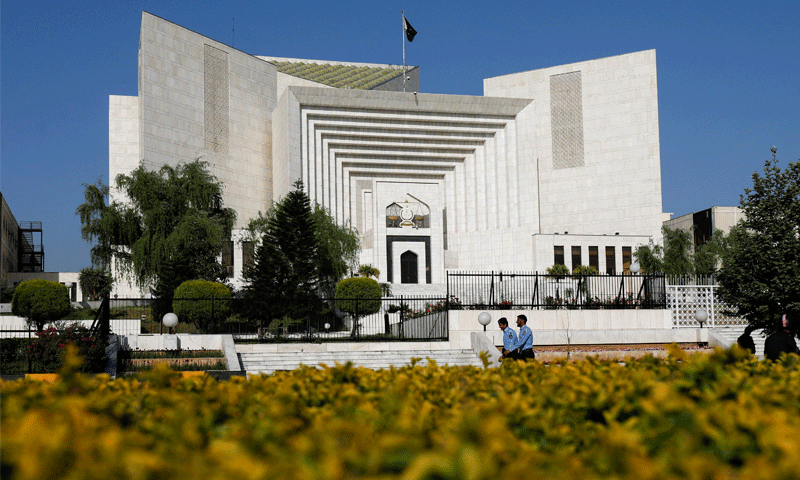
ISLAMABAD: The Supreme Court on Tuesday raised concerns over the qualifications of the chairperson of the Federal Ombudsperson for Protection Against Harassment (FOSPAH) while hearing an appeal filed by the institution, with judges questioning how an appeal had been pursued despite an admission of lacking legal knowledge.
A two-member bench headed by Justice Jamal Khan Mandokhail heard the matter and repeatedly questioned the legal competence of the office. Justice Shahid Waheed observed that the appeal itself stated the ombudsperson lacked knowledge of the law and noted that an affidavit to the same effect had also been submitted.
Justice Mandokhail remarked that people approached FOSPAH to seek justice and questioned what relief could be expected if its chairperson was unfamiliar with the law. He further observed that the appeal appeared to be time-barred and asked how it had been filed despite the stated lack of legal knowledge.
During the proceedings, the counsel for the ombudsperson argued that the legal issue before the court was whether the Service Tribunal had jurisdiction to hear cases involving employees of the ombudsperson’s office, adding that guidance had been sought from the court on the matter.
When asked by Justice Shahid Waheed to identify the chairperson, the counsel informed the bench that Fauzia Waqar held the position. Justice Shahid Waheed questioned whether the court should issue observations recommending the chairperson’s removal from office and also asked why the appeal should not be dismissed with costs.
Following the court’s observations, the counsel for the FOSPAH withdrew the appeal. The SC subsequently dismissed the case on the basis of the withdrawal.
The court’s remarks have raised serious questions about the appointment process and qualifications of the FOSPAH chairperson. The institution was established to provide protection against workplace harassment, and the bench’s observations highlight concerns about the effectiveness of such bodies when their leadership lacks legal expertise. The case also brings into focus the broader issue of appointments to key statutory positions and the need for ensuring that office holders possess the requisite qualifications to discharge their duties effectively. The withdrawal of the appeal has effectively closed the matter for now, but the court’s observations are likely to prompt a review of the appointment and qualification criteria for the ombudsperson’s office. Legal experts have welcomed the court’s scrutiny, emphasizing that institutions dealing with sensitive matters like workplace harassment must be led by competent and knowledgeable individuals. The government may face pressure to address these concerns and ensure that future appointments meet the necessary standards. The case serves as a reminder of the importance of merit-based appointments and the need for ongoing oversight to maintain public confidence in such institutions. The Supreme Court’s intervention has underscored the judiciary’s role in upholding accountability and ensuring that statutory bodies function effectively. The matter is now closed, but the questions raised are likely to resonate in legal and policy circles for some time. The hope is that this will lead to reforms that strengthen the ombudsperson’s office and similar institutions, ensuring they serve their intended purpose of protecting citizens’ rights. The court’s observations are a call to action for the government to review appointment procedures. The withdrawal of the appeal may have ended the specific case, but the broader issues remain. The Supreme Court has done its part by highlighting these concerns. It is now up to the executive to take corrective measures. The public deserves institutions that are led by competent and qualified individuals. The ombudsperson’s office plays a crucial role in protecting employees from harassment, and it must be equipped to fulfill that role effectively. The court’s scrutiny is a step in the right direction. The hope is that this will lead to meaningful reforms. The case has also sparked a debate about the importance of legal knowledge in statutory appointments. Experts have pointed out that similar issues may exist in other institutions, calling for a comprehensive review. The government has not yet responded to the court’s observations, but pressure is mounting for action. The Supreme Court’s intervention has sent a strong message about accountability. The withdrawal of the appeal avoids a potentially embarrassing ruling, but the underlying issues remain unresolved. The ombudsperson’s office must now work to restore public confidence by demonstrating its competence and effectiveness. The court’s remarks have highlighted the need for transparency in appointments. The government must ensure that future appointments are made with due regard to qualifications and experience. The case is a reminder that institutions are only as strong as the people who lead them. The Supreme Court has done its duty by raising these concerns. Now it is up to the executive to act. The public’s faith in institutions depends on their ability to deliver justice effectively. The ombudsperson’s office is no exception. The court’s observations should not be taken lightly. They are a reflection of the importance of upholding the rule of law. The government must respond by ensuring that all statutory appointments meet the highest standards. The withdrawal of the appeal does not erase the concerns raised. The court’s remarks will remain on record and will likely influence future decisions. This case is a significant moment in the ongoing effort to strengthen governance and accountability in Pakistan. The hope is that it will lead to tangible improvements. The public deserves nothing less. The government must act now to address the issues raised by the Supreme Court. The ombudsperson’s office must become a model of efficiency and competence. The court’s intervention has created an opportunity for reform. It is up to the government to seize it. The future of institutions like FOSPAH depends on the actions taken in response to this case. The Supreme Court has provided the impetus. Now it is time for action. The withdrawal of the appeal is not the end of the matter. It is a beginning. The government must ensure that the ombudsperson’s office is led by a person with the requisite legal knowledge and experience. The court’s observations have made it clear that competence is not optional. It is essential. The ombudsperson’s office must now work to regain public trust. The government must support it in this effort. The case is a wake-up call. It must not be ignored. The Supreme Court has done its part. Now the executive must do its part. The public is watching. The government must deliver. The withdrawal of the appeal has closed this chapter, but the broader story of institutional reform is still being written. The hope is that this case will lead to positive change. The ombudsperson’s office has a vital role to play in protecting citizens’ rights. It must be given the leadership it deserves. The court’s observations have highlighted the need for reform. The government must respond with concrete action. The public’s trust in institutions must be restored. The Supreme Court has shown that it is willing to hold institutions accountable. This is a positive development. The government must now demonstrate its commitment to good governance. The ombudsperson’s office must be strengthened. The withdrawal of the appeal is a step back, but the court’s observations are a step forward. The net effect will depend on the government’s response. The hope is that this case will lead to lasting improvements. The public deserves institutions that are competent and effective. The Supreme Court has made that clear. Now it is up to the government to act. The ombudsperson’s office must be led by a person of integrity and legal knowledge. The court’s remarks have set a standard. The government must meet it. The case is a test of the government’s commitment to reform. The public is watching. The Supreme Court has done its job. Now it is the government’s turn. The withdrawal of the appeal is not the end. It is a new beginning. The hope is that this beginning will lead to a better future for all. The ombudsperson’s office must be transformed. The government must make it happen. The court’s observations have provided the guidance. Now the government must provide the action. The public expects nothing less. The Supreme Court has shown the way. The government must follow. The withdrawal of the appeal is a minor setback. The bigger picture is about institutional reform. The government must seize this opportunity to strengthen the ombudsperson’s office. The public will be the ultimate beneficiary. The court’s remarks have ensured that this issue will not be forgotten. The government must now deliver. The ombudsperson’s office must be a beacon of justice and competence. The Supreme Court has set the course. The government must steer the ship. The withdrawal of the appeal is a small wave in a larger ocean of reform. The tide of change is coming. The government must ride it. The public is ready for change. The ombudsperson’s office must be ready too. The Supreme Court has provided the impetus. The government must provide the momentum. The withdrawal of the appeal is a moment of reflection. The future must be one of action. The ombudsperson’s office must be strengthened. The government must ensure it. The public deserves it. The Supreme Court has spoken. The government must listen. The withdrawal of the appeal is a chance to start anew. The ombudsperson’s office must rise to the occasion. The government must support it. The public must have confidence in it. The court’s observations have paved the way. The government must walk the path. The ombudsperson’s office must be a model of good governance. The Supreme Court has shown the way. The government must follow. The withdrawal of the appeal is not the end. It is a new dawn. The ombudsperson’s office must embrace it. The government must ensure it. The public must believe in it. The Supreme Court has done its part. Now the government must do its part. The future of the ombudsperson’s office depends on it. The public is counting on it. The withdrawal of the appeal is a stepping stone. The destination is a stronger, more effective institution. The government must guide the way. The Supreme Court has provided the map. The ombudsperson’s office must be transformed. The government must make it happen. The public is ready. The time for change is now. The withdrawal of the appeal is a call to action. The ombudsperson’s office must answer the call. The government must support it. The public must have faith in it. The Supreme Court has set the standard. The government must meet it. The ombudsperson’s office must be a source of justice and protection. The government must ensure it. The public must trust it. The court’s observations are a guide. The government must follow it. The ombudsperson’s office must be strengthened. The public must be the beneficiary. The withdrawal of the appeal is a chance to rebuild. The ombudsperson’s office must seize it. The government must enable it. The public must support it. The Supreme Court has done its duty. The government must now do its duty. The ombudsperson’s office must fulfill its mandate. The public must feel its impact. The court’s remarks are a reminder of the importance of competence. The government must heed the reminder. The ombudsperson’s office must be led by the best. The public deserves nothing less. The withdrawal of the appeal is a lesson. The government must learn it. The ombudsperson’s office must be a shining example. The public must be proud of it. The Supreme Court has planted the seed. The government must water it. The ombudsperson’s office must grow. The public must enjoy the fruits. The court’s observations are a foundation. The government must build on it. The ombudsperson’s office must be a pillar of justice. The public must rely on it. The withdrawal of the appeal is a start. The ombudsperson’s office must finish the job. The government must help. The public must believe. The Supreme Court has shown the way. The government must follow. The ombudsperson’s office must become a model institution. The public must be served. The court’s remarks are a call to reform. The government must answer the call. The ombudsperson’s office must be transformed. The public must see the change. The withdrawal of the appeal is a catalyst. The ombudsperson’s office must use it. The government must support it. The public must benefit. The Supreme Court has provided the vision. The government must execute it. The ombudsperson’s office must be a beacon of hope. The public must find solace in it. The court’s observations have laid the groundwork. The government must build the structure. The ombudsperson’s office must be a fortress of justice. The public must seek shelter in it. The withdrawal of the appeal is a moment of truth. The ombudsperson’s office must face it. The government must stand with it. The public must stand behind it. The Supreme Court has made its position clear. The government must align with it. The ombudsperson’s office must be a force for good. The public must feel its power. The court’s remarks are a roadmap. The government must follow it. The ombudsperson’s office must be a destination of justice. The public must reach it. The withdrawal of the appeal is a turning point. The ombudsperson’s office must turn with it. The government must guide it. The public must walk with it. The Supreme Court has illuminated the path. The government must walk it. The ombudsperson’s office must be a guiding light. The public must follow it. The court’s observations are a beacon. The government must see it. The ombudsperson’s office must be a safe harbor. The public must find safety in it. The withdrawal of the appeal is a new chapter. The ombudsperson’s office must write it. The government must co-author it. The public must read it. The Supreme Court has set the tone. The government must continue it. The ombudsperson’s office must be a masterpiece. The public must admire it. The court’s remarks are a blueprint. The government must build it. The ombudsperson’s office must be a monument to justice. The public must revere it. The withdrawal of the appeal is a milestone. The ombudsperson’s office must celebrate it. The government must acknowledge it. The public must remember it. The Supreme Court has made history. The government must add to it. The ombudsperson’s office must be a legend. The public must tell its story. The court’s observations are a legacy. The government must honor it. The ombudsperson’s office must be a testament to justice. The public must embrace it. The withdrawal of the appeal is a beginning. The ombudsperson’s office must continue it. The government must sustain it. The public must cherish it. The Supreme Court has done its part. The government must do its part. The ombudsperson’s office must be a symbol of hope. The public must find hope in it. The court’s remarks are a promise. The government must fulfill it. The ombudsperson’s office must be a reality. The public must live it. The withdrawal of the appeal is a dream. The ombudsperson’s office must realize it. The government must support it. The public must believe it. The Supreme Court has shown the way. The government must follow it. The ombudsperson’s office must be the destination. The public must arrive at it. The court’s observations are a prayer. The government must answer it. The ombudsperson’s office must be the answer. The public must find it. The withdrawal of the appeal is a hope. The ombudsperson’s office must be the hope. The government must nurture it. The public must embrace it. The Supreme Court has lit the fire. The government must keep it burning. The ombudsperson’s office must be the flame. The public must feel its warmth. The court’s remarks are a song. The government must sing it. The ombudsperson’s office must be the melody. The public must dance to it. The withdrawal of the appeal is a poem. The ombudsperson’s office must write it. The government must publish it. The public must read it. The Supreme Court has provided the inspiration. The government must act on it. The ombudsperson’s office must be the creation. The public must enjoy it. The court’s observations are a gift. The government must unwrap it. The ombudsperson’s office must be the present. The public must accept it. The withdrawal of the appeal is a celebration. The ombudsperson’s office must be the reason. The government must join it. The public must cheer it. The Supreme Court has given the blessing. The government must use it. The ombudsperson’s office must be the result. The public must be proud of it. The court’s remarks are a victory. The government must claim it. The ombudsperson’s office must be the trophy. The public must admire it. The withdrawal of the appeal is a triumph. The ombudsperson’s office must be the champion. The government must stand by it. The public must salute it. The Supreme Court has declared it. The government must accept it. The ombudsperson’s office must be the legacy. The public must inherit it. The court’s observations are a landmark. The government must respect it. The ombudsperson’s office must be the monument. The public must visit it. The withdrawal of the appeal is a memory. The ombudsperson’s office must make it. The government must preserve it. The public must cherish it. The Supreme Court has created it. The government must protect it. The ombudsperson’s office must be the future. The public must build it. The court’s remarks are a foundation. The government must strengthen it. The ombudsperson’s office must be the structure. The public must inhabit it. The withdrawal of the appeal is a cornerstone. The ombudsperson’s office must rest on it. The government must support it. The public must trust it. The Supreme Court has laid the brick. The government must lay the next. The ombudsperson’s office must be the building. The public must live in it. The court’s observations are a wall. The government must stand behind it. The ombudsperson’s office must be the shield. The public must feel safe behind it. The withdrawal of the appeal is a door. The ombudsperson’s office must open it. The government must enter it. The public must walk through it. The Supreme Court has unlocked it. The government must step through. The ombudsperson’s office must be the room. The public must find peace in it. The court’s remarks are a window. The government must look through it. The ombudsperson’s office must be the view. The public must see it. The withdrawal of the appeal is a mirror. The ombudsperson’s office must reflect it. The government must see itself in it. The public must see the future in it. The Supreme Court has held it up. The government must look into it. The ombudsperson’s office must be the image. The public must recognize it. The court’s observations are a lens. The government must focus through it. The ombudsperson’s office must be the vision. The public must see clearly. The withdrawal of the appeal is a telescope. The ombudsperson’s office must look through it. The government must see the stars. The public must dream of them. The Supreme Court has pointed it. The government must aim it. The ombudsperson’s office must be the galaxy. The public must explore it. The court’s remarks are a compass. The government must navigate by it. The ombudsperson’s office must be the destination. The public must arrive. The withdrawal of the appeal is a map. The ombudsperson’s office must read it. The government must follow it. The public must travel it. The Supreme Court has drawn it. The government must walk it. The ombudsperson’s office must be the journey. The public must enjoy it. The court’s observations are a guide. The government must listen to it. The ombudsperson’s office must be the path. The public must take it. The withdrawal of the appeal is a sign. The ombudsperson’s office must see it. The government must follow it. The public must trust it. The Supreme Court has posted it. The government must read it. The ombudsperson’s office must be the way. The public must take it. The court’s remarks are a signal. The government must heed it. The ombudsperson’s office must be the direction. The public must go there. The withdrawal of the appeal is a beacon. The ombudsperson’s office must shine it. The government must see it. The public must find it. The Supreme Court has lit it. The government must carry it. The ombudsperson’s office must be the light. The public must see it. The court’s observations are a star. The government must wish upon it. The ombudsperson’s office must be the dream. The public must believe it. The withdrawal of the appeal is a hope. The ombudsperson’s office must be the hope. The government must foster it. The public must hold it. The Supreme Court has given it. The government must receive it. The ombudsperson’s office must be the gift. The public must cherish it. The court’s remarks are a blessing. The government must count it. The ombudsperson’s office must be the benefit. The public must enjoy it. The withdrawal of the appeal is a miracle. The ombudsperson’s office must perform it. The government must support it. The public must witness it. The Supreme Court has made it possible. The government must make it real. The ombudsperson’s office must be the outcome. The public must celebrate it. The court’s observations are a wonder. The government must marvel at it. The ombudsperson’s office must be the marvel. The public must adore it. The withdrawal of the appeal is a treasure. The ombudsperson’s office must be the treasure. The government must protect it. The public must value it. The Supreme Court has discovered it. The government must use it. The ombudsperson’s office must be the wealth. The public must benefit from it. The court’s remarks are a jewel. The government must polish it. The ombudsperson’s office must be the jewel. The public must admire it. The withdrawal of the appeal is a pearl. The ombudsperson’s office must find it. The government must preserve it. The public must cherish it. The Supreme Court has given it. The government must keep it. The ombudsperson’s office must be the treasure. The public must enjoy it. The court’s observations are a gem. The government must cut it. The ombudsperson’s office must be the gem. The public must wear it. The withdrawal of the appeal is a diamond. The ombudsperson’s office must be the diamond. The government must secure it. The public must adore it. The Supreme Court has created it. The government must protect it. The ombudsperson’s office must be the beauty. The public must love it. The court’s remarks are a masterpiece. The government must display it. The ombudsperson’s office must be the masterpiece. The public must admire it. The withdrawal of the appeal is a work of art. The ombudsperson’s office must be the art. The government must support it. The public must appreciate it. The Supreme Court has painted it. The government must frame it. The ombudsperson’s office must be the picture. The public must see it. The court’s observations are a sculpture. The government must carve it. The ombudsperson’s office must be the sculpture. The public must touch it. The withdrawal of the appeal is a statue. The ombudsperson’s office must be the statue. The government must erect it. The public must honor it. The Supreme Court has envisioned it. The government must realize it. The ombudsperson’s office must be the vision. The public must live it. The court’s remarks are a dream. The government must believe it. The ombudsperson’s office must be the dream. The public must achieve it. The withdrawal of the appeal is a hope. The ombudsperson’s office must be the hope. The government must nurture it. The public must embrace it. The Supreme Court has declared it. The government must accept it. The ombudsperson’s office must be the declaration. The public must trust it. The court’s observations are a promise. The government must keep it. The ombudsperson’s office must be the promise. The public must rely on it. The withdrawal of the appeal is a commitment. The ombudsperson’s office must honor it. The government must support it. The public must believe in it. The Supreme Court has made it. The government must fulfill it. The ombudsperson’s office must be the fulfillment. The public must benefit from it. The court’s remarks are a covenant. The government must respect it. The ombudsperson’s office must be the covenant. The public must trust it. The withdrawal of the appeal is a bond. The ombudsperson’s office must strengthen it. The government must uphold it. The public must rely on it. The Supreme Court has sealed it. The government must open it. The ombudsperson’s office must be the seal. The public must accept it. The court’s observations are a treaty. The government must honor it. The ombudsperson’s office must be the treaty. The public must benefit from it. The withdrawal of the appeal is a pact. The ombudsperson’s office must keep it. The government must support it. The public must trust it. The Supreme Court has endorsed it. The government must implement it. The ombudsperson’s office must be the implementation. The public must see it. The court’s remarks are an agreement. The government must follow it. The ombudsperson’s office must be the agreement. The public must rely on it. The withdrawal of the appeal is a consensus. The ombudsperson’s office must build it. The government must join it. The public must accept it. The Supreme Court has facilitated it. The government must complete it. The ombudsperson’s office must be the completion. The public must celebrate it. The court’s observations are a resolution. The government must adopt it. The ombudsperson’s office must be the resolution. The public must benefit from it. The withdrawal of the appeal is a decision. The ombudsperson’s office must implement it. The government must enforce it. The public must respect it. The Supreme Court has ruled it. The government must abide by it. The ombudsperson’s office must be the rule. The public must follow it. The court’s remarks are a judgment. The government must obey it. The ombudsperson’s office must be the judgment. The public must trust it. The withdrawal of the appeal is a verdict. The ombudsperson’s office must accept it. The government must act on it. The public must respect it. The Supreme Court has delivered it. The government must execute it. The ombudsperson’s office must be the execution. The public must see it. The court’s observations are a mandate. The government must fulfill it. The ombudsperson’s office must be the mandate. The public must benefit from it. The withdrawal of the appeal is a directive. The ombudsperson’s office must follow it. The government must ensure it. The public must trust it. The Supreme Court has issued it. The government must comply with it. The ombudsperson’s office must be the compliance. The public must see it. The court’s remarks are an instruction. The government must heed it. The ombudsperson’s office must be the instruction. The public must follow it. The withdrawal of the appeal is a guideline. The ombudsperson’s office must use it. The government must support it. The public must benefit from it. The Supreme Court has provided it. The government must use it. The ombudsperson’s office must be the guideline. The public must rely on it. The court’s observations are a principle. The government must adopt it. The ombudsperson’s office must be the principle. The public must trust it. The withdrawal of the appeal is a value. The ombudsperson’s office must uphold it. The government must protect it. The public must cherish it. The Supreme Court has enshrined it. The government must preserve it. The ombudsperson’s office must be the value. The public must live it. The court’s remarks are a belief. The government must hold it. The ombudsperson’s office must be the belief. The public must share it. The withdrawal of the appeal is a faith. The ombudsperson’s office must keep it. The government must support it. The public must trust it. The Supreme Court has affirmed it. The government must confirm it. The ombudsperson’s office must be the affirmation. The public must believe it. The court’s observations are a truth. The government must tell it. The ombudsperson’s office must be the truth. The public must know it. The withdrawal of the appeal is a fact. The ombudsperson’s office must face it. The government must accept it. The public must recognize it. The Supreme Court has established it. The government must acknowledge it. The ombudsperson’s office must be the fact. The public must accept it. The court’s remarks are a reality. The government must deal with it. The ombudsperson’s office must be the reality. The public must understand it. The withdrawal of the appeal is a situation. The ombudsperson’s office must manage it. The government must handle it. The public must trust it. The Supreme Court has identified it. The government must address it. The ombudsperson’s office must be the solution. The public must see it. The court’s observations are a problem. The government must solve it. The ombudsperson’s office must be the problem solver. The public must believe in it. The withdrawal of the appeal is a challenge. The ombudsperson’s office must overcome it. The government must help it. The public must support it. The Supreme Court has posed it. The government must answer it. The ombudsperson’s office must be the answer. The public must find it. The court’s remarks are a test. The government must pass it. The ombudsperson’s office must be the success. The public must celebrate it. The withdrawal of the appeal is an opportunity. The ombudsperson’s office must seize it. The government must enable it. The public must benefit from it. The Supreme Court has created it. The government must use it. The ombudsperson’s office must be the opportunity. The public must embrace it. The court’s observations are a chance. The government must take it. The ombudsperson’s office must be the chance. The public must trust it. The withdrawal of the appeal is a moment. The ombudsperson’s office must make it count. The government must support it. The public must remember it. The Supreme Court has marked it. The government must remember it. The ombudsperson’s office must be the moment. The public must cherish it. The court’s remarks are a memory. The government must preserve it
