
Table of Contents
LONDON/NEW YORK — Oil prices surged above $100 a barrel on Monday for the first time in nearly four years, as escalating military conflict between Israel and Iran threatened to disrupt supplies from the world’s most important oil-producing region .
Brent crude, the global benchmark, jumped as high as $101.20 in early trading before settling around $99.80. West Texas Intermediate (WTI), the U.S. benchmark, topped $96.50 . The last time prices traded at these levels was in 2022, following Russia’s invasion of Ukraine .
Why Prices Are Spiking
The sharp rally comes as the conflict between Israel and Iran enters its second week with no signs of de-escalation. Key factors driving the surge include:
- Strait of Hormuz Threat: Approximately 20% of the world’s oil supply passes through this narrow chokepoint. Iran has previously threatened to close the strait, and any disruption would have immediate global consequences .
- Direct Conflict: Israeli airstrikes on Iranian targets and Iranian missile barrages against Israel have raised fears of a wider regional war that could draw in Gulf producers .
- Supply Disruption Fears: Markets are pricing in the risk of actual supply outages, whether from direct attacks on facilities or from tankers avoiding the region .
Market Reaction
| Benchmark | Price | Change |
|---|---|---|
| Brent Crude | $101.20 (peak) | +7.2% |
| WTI | $96.50 (peak) | +6.8% |
| Brent (settled) | $99.80 | +5.9% |
Energy stocks rallied on the news, with ExxonMobil, Chevron, and Shell all posting gains of 3-5% in early trading .
Impact at the Pump
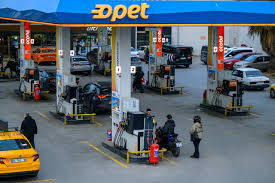
The surge in crude prices is expected to translate to higher gasoline prices for consumers within days. The average U.S. gasoline price currently sits at $3.45 per gallon, but analysts predict it could climb toward $4.00 if crude remains above $100 .
In Europe, where fuel taxes are higher, prices at the pump could see even steeper increases. The U.K. average is expected to rise above £1.60 per liter in the coming weeks .
Global Economic Implications
Higher oil prices carry significant economic consequences:
- Inflation: Energy costs feed directly into inflation measures, potentially complicating central bank efforts to cut interest rates .
- Consumer Spending: Higher gasoline prices act as a tax on consumers, reducing disposable income for other goods and services .
- Corporate Margins: Industries heavily dependent on energy, from airlines to manufacturing, face compressed margins .
The rally comes at a delicate moment for global economies still recovering from post-pandemic inflation. The U.S. Federal Reserve and European Central Bank have both signaled potential rate cuts later this year, but sustained high oil prices could force them to reconsider .
What Analysts Are Saying
Goldman Sachs analysts warned that a prolonged closure of the Strait of Hormuz could send prices to $150 or higher . However, they noted that such a scenario remains unlikely given the economic self-interest of Gulf producers in keeping oil flowing .
“Markets are pricing in risk rather than actual disruption at this point,” said Amrita Sen, founder of Energy Aspects. “But with each day of escalation, the risk of a real supply shock increases” .
Other Market Impacts
The oil surge triggered broader market movements:
- Stock Markets: Major indices fell as investors worried about economic impacts
- Dollar: The U.S. dollar strengthened as investors sought safe havens
- Gold: Precious metals also rose on geopolitical concerns
What to Watch
Traders will be closely monitoring:
- Any actual disruption to tanker movements through the Strait of Hormuz
- Statements from OPEC+ members, particularly Saudi Arabia and the UAE
- Potential U.S. responses, including releases from the Strategic Petroleum Reserve
- Diplomatic efforts to de-escalate the Israel-Iran conflict
For now, the oil market remains on edge, with prices likely to remain volatile as long as the conflict continues.
