
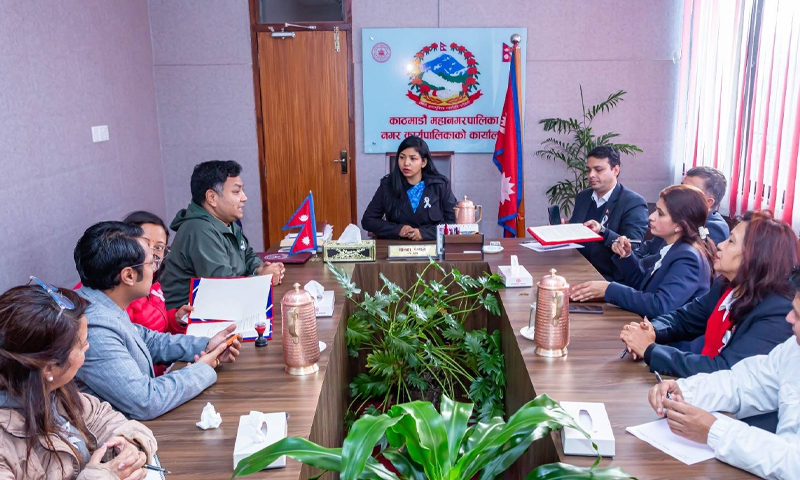
The Kathmandu Metropolitan City (KMC) has introduced a significant new initiative aimed at improving healthcare access for vulnerable residents. Under this program, individuals who are eligible for the government’s social security allowance—such as senior citizens, single women, people with disabilities, survivors of violence, and victims of gender-based abuse—will receive free medical treatment.
KMC officials confirmed that the process to implement this service has already begun. The initiative is designed to support those who face financial, social, or physical challenges in accessing medical care. By removing the cost barrier, the city government hopes to ensure that essential health services are available to the people who need them most.
KMC Deputy Mayor Sunita Dangol stated that the city has signed an agreement with Chhatrapati Free Clinic-Hospital for the current fiscal year. This partnership will enable eligible beneficiaries to receive prescribed treatments without having to bear the expenses themselves. Dangol emphasized that this step reflects KMC’s commitment to strengthening its social welfare programs and prioritizing public health.
KMC Chief Administrative Officer Saroj Guragain also expressed confidence that the initiative would meaningfully benefit marginalized groups. He urged the hospital administration to ensure smooth service delivery while remaining vigilant against any potential misuse of the free treatment facility. According to Guragain, the primary goal is to make sure that genuinely needy individuals can receive medical attention promptly and without complications.
Under the terms of the agreement, treatment services will not be limited only to social security beneficiaries. People’s representatives of the KMC, as well as city employees, will also be able to access necessary medical services. Additionally, the hospital will offer mammogram screenings specifically for women employees and female people’s representatives, highlighting a targeted approach to women’s health.
For certain categories of patients—such as survivors of gender-based violence, persons with disabilities, and single women—an official recommendation from the Social Development Department will be required. This recommendation will also apply in cases where employees need a CT scan. Once approved, the expenses for these medical procedures will be fully covered by the KMC.
To support the program, the Kathmandu Metropolitan City has allocated Rs 15 million in its budget for the current fiscal year. The partner hospital has committed to adding an additional 30 percent to this amount, raising the total value of available medical services to approximately Rs 18 million. This expansion ensures that more individuals can benefit from the initiative without straining the city’s financial resources.
To access free treatment, beneficiaries will need to present appropriate identification documents. KMC employees and people’s representatives must show their official identity cards. Senior citizens will be required to present either their social security allowance card, national identity card, or citizenship certificate. These verification measures are intended to streamline service delivery and confirm eligibility.
KMC officials believe that this initiative will significantly improve healthcare access for populations that often face systemic barriers. By partnering with a reputable medical institution and implementing clear guidelines, the city aims to establish a reliable support system for healthcare needs.
The program is expected to have a substantial positive impact on the overall well-being of Kathmandu’s residents, particularly those who depend on social welfare schemes for survival. With its investment in both financial resources and administrative coordination, the KMC is taking a step forward in addressing public health disparities and ensuring that medical care is not a privilege but a guaranteed right for all.
