
Table of Contents
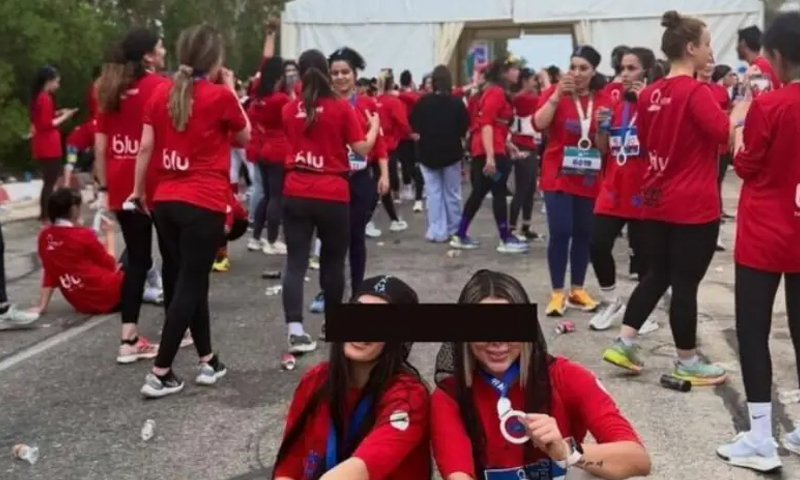
Iranian authorities have arrested two organisers of a public marathon held on Kish Island after images went viral showing several female participants competing without hijab. The development comes amid heightened scrutiny of Iran’s enforcement of its mandatory dress-code laws, which have been increasingly challenged by women across the country in recent years.
The marathon, held on Friday and reportedly attended by around 5,000 participants, became the center of a national controversy when visuals emerged online depicting women running without the headscarf, a violation of Iran’s Islamic dress code established after the 1979 revolution. The judiciary confirmed on Saturday that two individuals—one a Kish free-zone official, and the other an employee of the private company responsible for organising the event—had been taken into custody.
A Growing Clash Over Hijab Enforcement
The arrests highlight a broader, ongoing clash within Iranian society over personal freedoms, cultural regulation, and government authority. Since the 1980s, Iranian law has required women to cover their hair and wear modest, loose-fitting clothing in public. But compliance has become increasingly sporadic—especially after the nationwide protests that erupted in 2022 following the death of Mahsa Amini, a 22-year-old woman detained for an alleged hijab violation.
Those protests, some of the largest Iran has seen in decades, triggered a societal shift, with many women now openly defying dress-code rules despite state pressure. The Kish marathon episode only amplifies the tension between public behavior and official policy.
The Judiciary Opens a Criminal Case
In a statement through its Mizan Online portal, the Iranian judiciary noted that a criminal case has been formally filed against the organisers. Local prosecutors accused them of ignoring repeat warnings to adhere to Islamic regulations and “violating public decency.”
“Despite previous warnings regarding the need to comply with the country’s current laws and regulations, as well as religious, customary and professional principles… the event was held in a way that violated public decency,” the prosecutor stated. Authorities stressed that the organisers were fully aware of expectations and deliberately ignored protocols designed to uphold Islamic values in public events.
The arrests also reflect growing pressure on the judiciary itself. Earlier in the week, a majority of Iranian lawmakers publicly criticized judicial authorities for what they described as insufficient enforcement of hijab laws, urging a stricter approach. In response, Chief Justice Gholamhossein Mohseni Ejei emphasized the need for stronger implementation of the dress-code regulations nationwide.
Conservative Media Outlets Condemn the Event
Conservative-aligned Iranian news agencies such as Tasnim and Fars quickly condemned the marathon, labelling the scenes as “indecent” and “disrespectful” to the principles of the Islamic Republic. They argued that allowing unveiled women to participate in a sporting event contradicted Islamic values and set a dangerous precedent.
The backlash is not new. In May 2023, the head of Iran’s athletics federation resigned after similar images surfaced of women participating in a sports event in Shiraz without headscarves. Such incidents continue to fuel debates about public morality, women’s rights, and the boundaries of state control.
Political Tensions in the Pezeshkian Government
The controversy also exposes political fissures between Iran’s parliament and the administration of President Masoud Pezeshkian. Earlier this year, the government refused to endorse a parliamentary bill that proposed harsher penalties for women who do not observe the dress code. The law would have expanded monitoring powers, increased fines, and imposed stricter controls over public behavior—measures critics described as draconian.
By declining to ratify the bill, Pezeshkian’s government positioned itself at odds with hardline lawmakers, who argue the state is failing to curb what they view as Western cultural influence and moral decline.
Meanwhile, the supreme leader’s office itself faced backlash earlier this month after it published a photo of a woman who appeared unveiled—sparking criticism from the same conservative groups now condemning the marathon.
A Wider Debate: Culture, Control & Public Space
The Kish marathon controversy has reignited debates surrounding bodily autonomy, women’s rights, and the future of Iran’s cultural policies. For many Iranians—particularly younger generations—the enforcement of mandatory hijab has become symbolic of broader struggles for personal freedom and state accountability.
For conservatives, however, the issue remains central to the ideological identity of the Islamic Republic. They view the hijab as a foundational value that must be preserved, especially at a time when they fear the influence of Western norms.
The clash between these two visions continues to shape Iran’s public narrative. The Kish arrests represent more than just a response to a sporting event—they reflect a nation grappling with deep social shifts and competing visions for its future.
