
Table of Contents
🇦🇫 Kabul Appreciates Pakistan’s Mediation Role
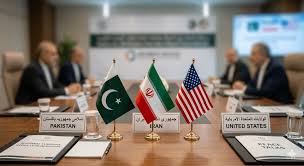
Afghanistan has publicly welcomed Pakistan’s diplomatic efforts in brokering a ceasefire between Iran and the United States, even as tensions remain high along the Pakistan-Afghanistan border .
During a meeting with Iran’s envoy in Kabul, Alireza Bikdeli, Afghan Foreign Minister Amir Khan Muttaqi expressed “appreciation for Iran’s positive stance regarding recent tensions between Afghanistan and Pakistan” and emphasized that Kabul seeks to resolve “reasonable demands of both sides through meaningful and sincere dialogue” .
Muttaqi described the US-Israel conflict with Iran as an “aggression” by Washington and Tel Aviv and warned that the expansion of the war would be harmful to the entire region .
Regional Outreach Amid Conflict
The diplomatic engagement is part of Afghanistan’s broader regional outreach as it faces a volatile situation on multiple fronts. Iran lies on Afghanistan’s western border, while Pakistan borders it to the south and southeast .
Key developments include:
During the call with UAE’s top diplomat, Muttaqi thanked Abu Dhabi for its mediating role in the release of an American prisoner and emphasized that issues between Afghanistan and Pakistan should be resolved through dialogue and mutual understanding . The UAE foreign minister agreed that continued tensions benefit neither side and expressed support for efforts to reduce instability .
The Paradox: Mediation Amid Border Clashes
Pakistan’s role as a mediator comes at a time when it is engaged in its most intense conflict with Afghanistan in years . Key points of friction include:
- Border clashes: Heavy artillery fire has erupted along the volatile border, including in Kunar province and Pakistan’s Bajur district, resulting in casualties on both sides
- Root causes: Pakistan accuses the Afghan Taliban of providing safe havens to Tehrik-i-Taliban Pakistan (TTP) militants for cross-border attacks—a claim Kabul denies
- Airstrike controversy: A Pakistani airstrike on a facility in Kabul that Afghanistan and the UN described as a drug rehabilitation center killed at least 143 people. Pakistan maintains it targeted a “military installation”
Despite these tensions, Afghanistan’s leadership has signaled readiness for talks. Muttaqi stated that Kabul stands ready to settle all disputes with Pakistan through dialogue and has taken “serious steps” to prevent Afghan soil from being used against its neighbor .
What This Means for Regional Stability
Analysts note that Pakistan’s ability to host high-stakes negotiations while managing a volatile western front presents significant challenges . Key concerns include:
- Credibility: Ongoing border clashes raise questions about Islamabad’s ability to guarantee security for sensitive diplomatic engagements
- Strategic overstretch: Pakistan risks being caught in a multi-front security squeeze, balancing mediation with active conflict
- Economic pressure: The closure of the Iran-Pakistan border and Strait of Hormuz disruptions have impacted trade and fuel supplies
However, Pakistan retains unique advantages: it serves as Iran’s diplomatic representative in Washington (where Tehran has no embassy) and has built a personal rapport between Army Chief Field Marshal Asim Munir and President Trump .
The “Islamabad Talks” are scheduled for Friday, April 10, with delegations from both the US and Iran expected to attend. Whether Afghanistan’s endorsement of Pakistan’s mediation role will translate into reduced border hostilities remains to be seen, but Kabul’s diplomatic outreach signals a desire for de-escalation on both fronts .
