
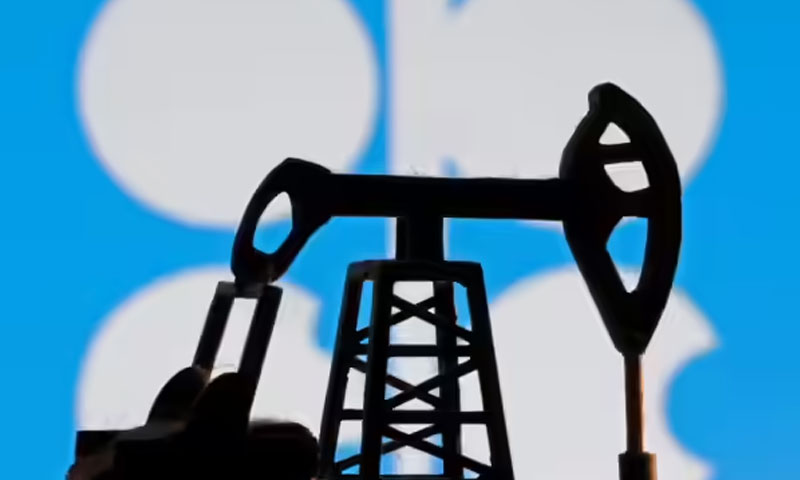
The United Arab Emirates announced its withdrawal from the Organization of the Petroleum Exporting Countries (OPEC) and the broader OPEC+ alliance on Tuesday, dealing a stunning blow to the oil cartel amid a historic energy crisis triggered by the Iran war .
The exit takes effect on May 1, 2026, ending the UAE’s membership that began through the emirate of Abu Dhabi in 1967 .
“This decision reflects the UAE’s long-term strategic and economic vision and evolving energy profile, including accelerated investment in domestic energy production,” the UAE’s state-run WAM news agency said .
UAE Energy Minister Suhail Mohamed Al Mazrouei stated: “Being a country with no obligation under the group will give us flexibility” . The UAE currently produces approximately 3.2-3.5 million barrels per day with plans to raise capacity to 5 million bpd by 2027 .
The move follows harsh criticism from senior UAE officials over the inadequate Arab and Gulf response to Iranian attacks during the war. Anwar Gargash, diplomatic adviser to the UAE president, said Gulf states supported each other “logistically, but politically and militarily, I think their position has been the weakest historically” .
The exit also aligns with US President Donald Trump’s longstanding criticism of OPEC for “ripping off the rest of the world” with inflated oil prices . OPEC Gulf producers have struggled to ship exports through the Strait of Hormuz due to Iranian threats .
The UAE has vowed to bring additional production to market “in a gradual and measured manner” while remaining committed to global market stability
