
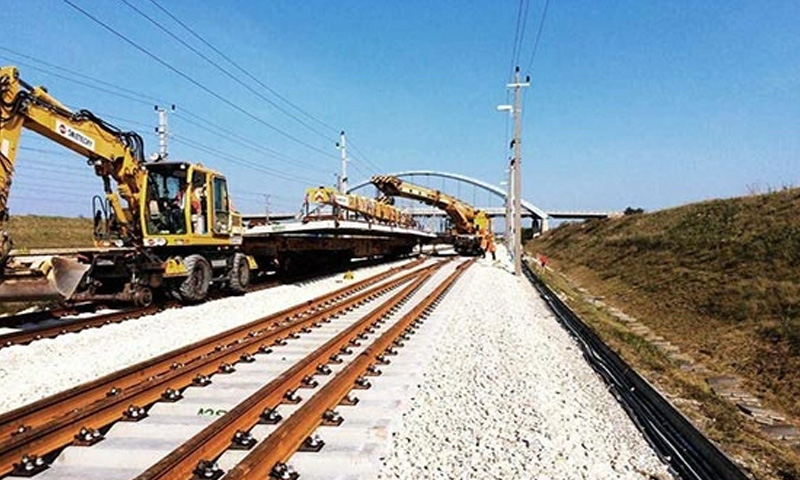
ISLAMABAD: The Ministry of Railways on Wednesday presented details in the National Assembly of the planned upgrade of the 1,726-km Main Line-1 (ML-1) railway track from Karachi to Peshawar, with the project estimated to cost $6.66 billion.
Five-Phased Strategic Modernisation
According to official documents submitted to parliament, the strategic rail modernisation project will be executed in five phases.
Karachi-Rohri Section to Launch First
According to the ministry, the first phase will cover the 480-km Karachi-Rohri section, with construction expected to begin later this year following the groundbreaking ceremony. The estimated cost of the Karachi-Rohri upgrade has been set at $2 billion, and the project is expected to be completed within three years.
Rohri-Multan, Multan-Lahore Upgrades Planned
In the second phase, authorities will upgrade the 449-km Rohri-Multan railway section at an estimated cost of $1.26 billion. The ministry said work on that section is also expected to be completed within three years.
The third phase will involve the 334-km Multan-Lahore section, with an estimated cost of $880 million and a completion timeline of two years.
Lahore-Rawalpindi, Rawalpindi-Peshawar Sections in Final Phases
Under the fourth phase, the 289-km Lahore-Rawalpindi railway track will be upgraded at an estimated cost of $1.56 billion. The project is scheduled for completion within three years.
The fifth and final phase will cover the 174-km Rawalpindi-Peshawar section, with an estimated cost of $920 million and a projected completion period of two years.
Significance of ML-1
The ML-1 project is considered Pakistan’s largest railway infrastructure initiative and is aimed at modernising the country’s rail network, improving train speeds, and strengthening freight and passenger transport connectivity across the country. Once completed, the upgraded line is expected to reduce travel time significantly between major cities and boost economic activity along the route. The project has been a priority for successive governments and has received financial backing from international partners, including China under the China-Pakistan Economic Corridor (CPEC) framework.
