
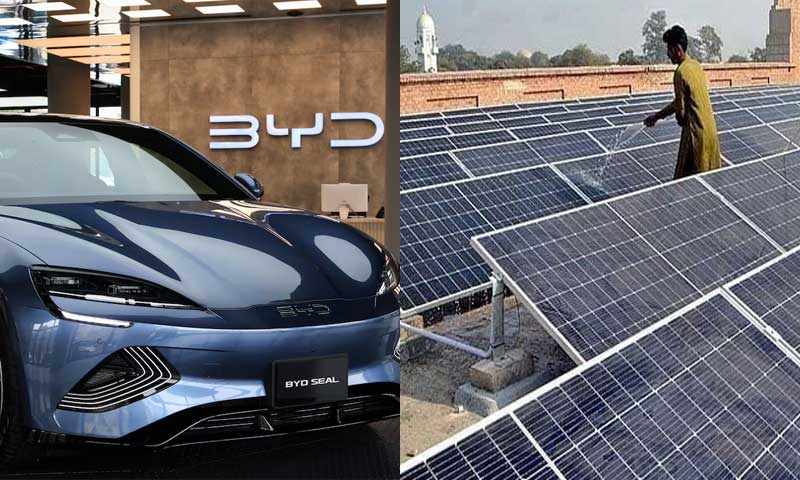
ISLAMABAD: The federal government is considering ending sales tax exemptions on electric vehicles, hybrid cars and solar panels in the upcoming 2026–27 budget, according to sources.
Standard 18% Tax Under Consideration
Officials said there is a strong possibility that a standard 18 percent sales tax could be imposed on electric and hybrid vehicles, as tax relief measures in the sector come under review. Sources added that the International Monetary Fund (IMF) has reportedly rejected Pakistan’s request to maintain existing tax exemptions on EVs and hybrid vehicles.
If approved, the move could lead to a rise in vehicle prices in the new fiscal year, with further tightening of tax concessions also expected across multiple sectors.
Current Tax Rates to Rise Sharply
Sources indicated that the sales tax on electric vehicles, currently as low as 1 percent, may be increased to 18 percent, while hybrid vehicles, previously enjoying a reduced rate of around 8 percent, could also be brought under the standard tax regime.
Solar Panels Also Targeted
In addition, solar panels and related equipment may also face an increase in sales tax from 10 percent to 18 percent, as part of broader efforts to rationalise tax exemptions in the upcoming budget. The move could slow the adoption of renewable energy solutions in the country, where solar power has gained popularity due to rising electricity costs.
Vehicle Import Trends
Data shared by sources shows that around 45,000 vehicles were imported in the last fiscal year, while imports are estimated to decline to about 40,000 units in the current year. Between July and April of the ongoing fiscal year 2025–26, nearly 38,000 vehicles have already been imported.
More Changes Possible
Sources further noted that the government is reviewing all remaining exemptions and concessions, and additional changes could be introduced in the final budget proposal for fiscal year 2026–27. The government is under pressure from the IMF to broaden the tax base and reduce exemptions as part of ongoing economic reforms. Environmental groups and green energy advocates have expressed concern over the potential rollback of incentives that were designed to promote cleaner transportation and renewable energy in Pakistan. The final budget decisions will be announced by the finance minister in the coming weeks.
