
Table of Contents
In a shocking attack on Saturday, January 13, 2025, two senior Iranian Supreme Court judges were shot dead outside the Supreme Court building in Tehran, and another judge was left wounded. The incident, which has sent ripples through the country’s political and legal circles, also saw a bodyguard of one of the judges injured. After opening fire on the judges, the assailant took his own life, according to reports from the judiciary’s Mizan news website.
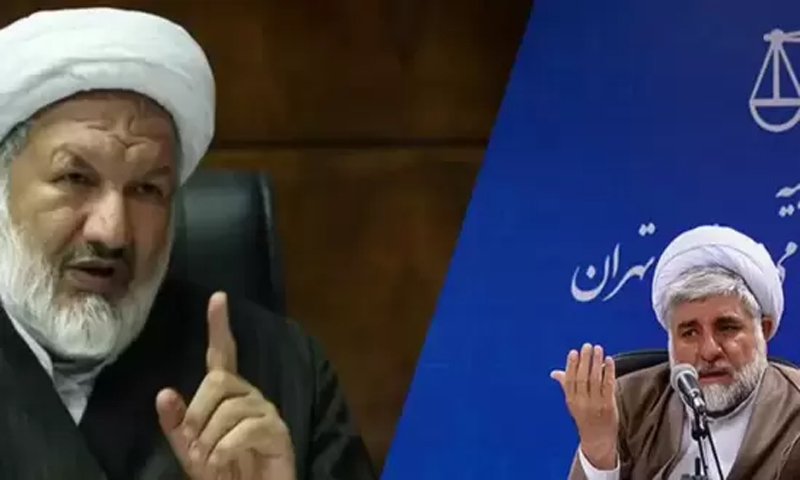
The attack’s motive remains unclear, and Iranian authorities have already launched an investigation into the incident. The judiciary identified the two victims as Ayatollahs Mohammad Moghiseh and Ali Razini, both well-known figures in Iran’s legal system. They had worked on high-profile cases involving national security, terrorism, and espionage.
Details of the Attack and Investigations
The shooting took place outside the Iranian Supreme Court, a significant institution in Tehran that handles crucial cases related to the country’s political and social order. According to Mizan news, the attacker was not linked to any cases before the Supreme Court, and there have been no indications that the attack was motivated by the judges’ involvement in specific trials. The authorities have yet to release detailed information about the identity of the assailant.
Following the incident, authorities quickly launched an investigation to determine the motive behind the attack. The Iranian Ministry of Intelligence and other law enforcement agencies have been mobilized to track down any possible connections the attacker might have had with extremist groups or individuals hostile to the judiciary.
Background of the Victims
Ayatollah Mohammad Moghiseh and Ayatollah Ali Razini were both influential figures within the Iranian judiciary. Moghiseh had a long career, particularly in handling sensitive cases that involved terrorism, espionage, and crimes against national security. Razini, 71, was an experienced judge who had previously been targeted in a 1998 assassination attempt when a magnetic bomb was planted in his vehicle. This attack, which failed to take his life, was thought to be politically motivated, possibly linked to his role in the judiciary’s strict stance on security-related offenses.
Razini’s extensive career saw him holding a range of important positions within the judiciary. His role in dealing with sensitive cases likely made him a target for individuals or groups with opposing views on the country’s legal framework. This history of being targeted in the past has raised suspicions that his earlier assassination attempt could have been related to the same political forces that were behind his death in 2025.
A Pattern of Violence Against High-Profile Figures
While attacks targeting judges in Iran are relatively rare, this incident fits into a broader pattern of violent acts against high-profile individuals in the country. In recent years, there have been several incidents of political figures, including clerics and other influential personalities, being assassinated in public or targeted in shooting attacks.
In October 2024, a Muslim preacher was shot dead in Kazeroun, a southern Iranian city, shortly after leading Friday prayers. The killing of the preacher occurred amid rising tensions between different political and religious factions in Iran. Similarly, in April 2023, cleric Abbas Ali Soleimani was shot and killed at a bank in Mazandaran province, a high-profile assassination that drew attention to the ongoing instability in the region.
One of the most notable judicial murders in Iran’s modern history occurred in August 2005, when renowned judge Hassan Moghaddas was gunned down in broad daylight in Tehran. Two gunmen approached Moghaddas’ car in a busy commercial area and shot him dead. The two men convicted of the killing were executed publicly two years later, a rare and highly publicized form of punishment in the country.
Political and Judicial Tensions in Iran
The killings of judges Moghiseh and Razini come at a time of heightened political tensions in Iran. The country has been facing an ongoing struggle between hardline factions and more reform-oriented voices, especially in light of protests over the past few years. These protests have often targeted Iran’s government and judicial system, criticizing issues such as human rights abuses, lack of transparency, and the heavy-handed approach to dissent.
Iran’s judiciary has long been a powerful institution, and the killings of senior judicial figures like Moghiseh and Razini are likely to further exacerbate existing tensions. It’s unclear whether this attack is a direct result of these tensions or whether it is linked to broader political movements or groups seeking to disrupt the status quo. The targeting of individuals connected to the national security apparatus, such as these two judges, suggests that the motivations behind the killings could be related to a broader ideological or political agenda.
The Aftermath and Security Concerns
In the aftermath of the attack, Iranian officials have pledged to investigate the incident thoroughly and hold those responsible accountable. However, the failure to identify the assailant and provide details on the motive for the killings raises concerns about the safety and security of judicial and political figures in the country. The assassination of such high-profile figures also sends a powerful message about the instability and political unrest that persists within the Iranian state.
Authorities have vowed to tighten security around judicial institutions and individuals associated with the Iranian judiciary, although critics argue that such measures may not be sufficient to address the underlying political tensions that continue to plague the country.
