
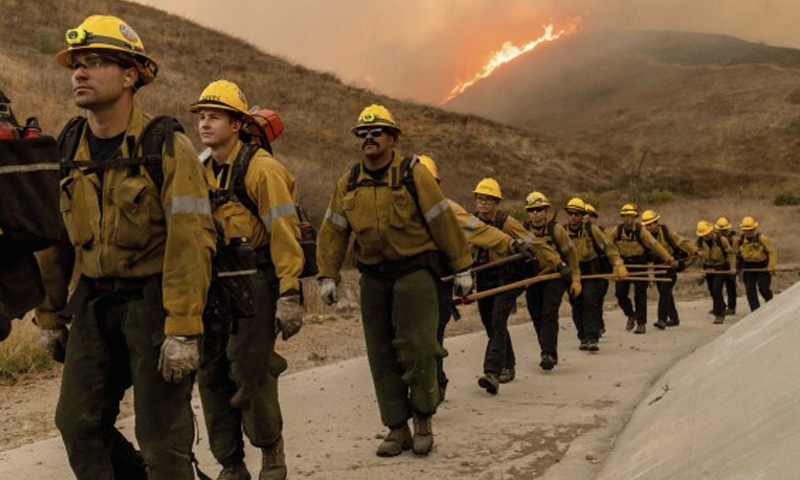
After more than three weeks of relentless battling against two of the most devastating wildfires in recent memory, fire officials in California announced on Friday, January 31, 2025, that both the Eaton and Palisades fires have been fully contained. This milestone comes as a significant, though largely symbolic, achievement given the scale of destruction the fires caused over the past month. The fires, which scorched vast parts of Southern California, became a monumental crisis for Los Angeles County, causing widespread devastation and loss.
The Two Major Fires and Their Devastating Impact
The Eaton Fire, which burned more than 14,000 acres (57 square kilometers) on the eastern side of Los Angeles, and the Palisades Fire, which ravaged an area of 23,448 acres (95 square kilometers) on the west side, were the primary drivers of the worst natural disaster in the region’s history. Together, they left 28 people dead, destroyed or damaged more than 16,000 structures, and forced around 180,000 residents to evacuate their homes.
In addition to the heartbreaking loss of life and property, these fires caused immense disruption. Thousands of homes, businesses, and infrastructures were left in ruins, and many people were forced to leave their homes in fear of further destruction. Emergency response teams worked tirelessly for weeks to fight the fires, which were aggravated by dry conditions, high winds, and the difficult terrain.
Containment Achieved, But the Danger Is Far from Over
Containment refers to the percentage of a fire’s perimeter that has been brought under control by firefighters, with the confidence that these lines will hold. While this milestone is a necessary step in the battle against the fires, it does not mean the danger is completely over. Parts of the interior of both fires continue to burn, and the aftermath of the fires poses new risks.
The recent rains that finally arrived in Southern California were seen as a double-edged sword. While they helped with the containment efforts, the rain also brought new challenges, such as flash floods and mudslides. The hillsides, now stripped of vegetation due to the fires, are more vulnerable to these natural hazards. In some areas, toxic materials left behind by the fire are being washed down into communities, further complicating the recovery process.
Margaret Stewart, a spokesperson for the Los Angeles Fire Department, explained that the fires’ full containment is largely symbolic at this stage. “It’s more important when we say forward progress is stopped,” she said. For the majority of the fire’s spread, forward progress was halted around January 14, just about a week after the fires broke out on January 7.
The Role of Rain and Its Timing
Stewart also mentioned that while the rain helped contain the fires, it became more of a hindrance once it arrived. Flash floods, mudslides, and road blockages created significant challenges for responders trying to access affected areas. “Had this rain come two weeks ago, it might have been more helpful,” Stewart noted, acknowledging the difficulty of navigating the torrential downpours amid ongoing firefighting operations.
Despite these challenges, the rain did help bring some relief to the exhausted teams working around the clock to keep the fires from spreading further. The cessation of the fires’ forward progress in the middle of January allowed authorities to shift their focus from firefighting to recovery efforts.
The Economic and Environmental Toll of the Fires
AccuWeather, a private forecaster, estimates that the economic losses from the fires, including property damage, lost wages, and the destruction of businesses, will exceed $250 billion. These fires have left an indelible mark on Southern California, with some experts predicting it will take years to fully recover from the damage to infrastructure, homes, and businesses.
The fires also had a devastating impact on the environment. While firefighters have managed to prevent further spread, the damage to California’s ecosystems, particularly in the scorched mountains and hillsides, will be long-lasting. The fires’ rapid progression has left ecosystems vulnerable, and without the protective vegetation, the landscape is now at greater risk for erosion, flooding, and mudslides.
A Community in Recovery
In the aftermath of the fires, the residents of Los Angeles County face an overwhelming road to recovery. The damage to homes, businesses, and critical infrastructure is immense, and the emotional toll on the survivors is impossible to measure. The fires have also strained local resources, with the Los Angeles Fire Department and other emergency responders stretched thin in managing both fire containment and post-fire recovery efforts.
As authorities continue to work on the damage assessment and provide aid to displaced residents, the full scale of the disaster continues to unfold. The fires serve as a stark reminder of the growing intensity of wildfires in California, which have become increasingly frequent and severe due to climate change.
The full containment of the Eaton and Palisades fires is a significant milestone, but for many, the true work has only just begun. Rebuilding lives and communities will take years, and it will require the combined efforts of local, state, and federal authorities, as well as volunteers and charitable organizations.
For now, though the fires may be contained, the lessons learned from this disaster will resonate for years to come.
