
Table of Contents
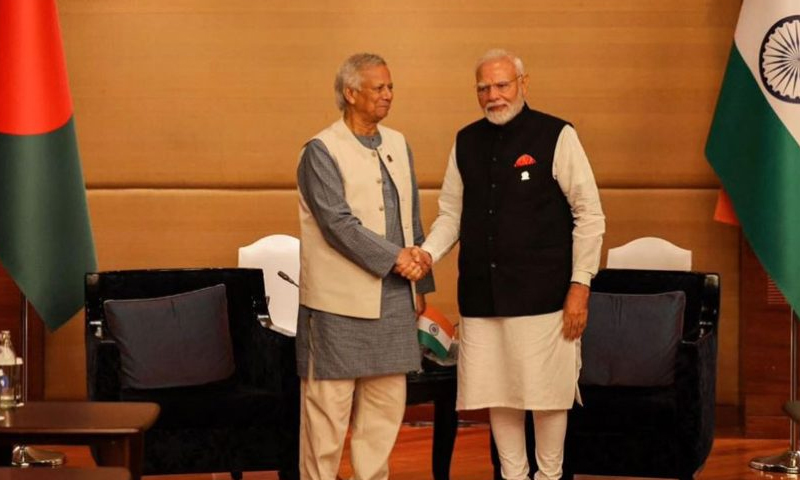
During a meeting on the sidelines of the BIMSTEC summit in Bangkok on Friday, Indian Prime Minister Narendra Modi urged Bangladesh’s interim leader, Muhammad Yunus, to avoid rhetoric that has previously strained relations between the two neighboring countries. This meeting marked the first face-to-face encounter between the two leaders since the ouster of Bangladesh’s long-time prime minister, Sheikh Hasina, in August of the previous year.
India’s foreign ministry emphasized that the meeting was an important step toward stabilizing the relationship between the two countries, which had deteriorated since Hasina’s flight from Bangladesh following massive student-led protests. After fleeing, Hasina sought refuge in India, and her departure has created considerable tensions between the two nations, which had previously enjoyed strong ties under her leadership.
Bilateral Relations Under Strain
India’s Foreign Secretary Vikram Misri told reporters that Prime Minister Modi had reiterated India’s support for a “democratic, stable, peaceful, progressive, and inclusive Bangladesh.” Modi stressed New Delhi’s desire for a “positive and constructive relationship” with Bangladesh, emphasizing pragmatism in diplomatic efforts to resolve the issues at hand.
The meeting, which lasted for about 40 minutes, was described by Bangladesh’s officials as “candid, productive, and constructive.” Yunus conveyed Bangladesh’s willingness to work closely with India to restore the bilateral relationship and move beyond the divisions caused by recent political turmoil.
Hasina’s Extradition Request and Rhetoric Concerns
One of the key topics discussed during the meeting was Bangladesh’s request for the extradition of Sheikh Hasina. Although the specifics of the discussion were not revealed in detail, Misri noted that Yunus had raised concerns about Hasina’s continued presence in India and the impact of her remarks on the diplomatic relationship. Hasina has been accused of making false and inflammatory accusations against the interim government of Bangladesh, which has led to escalating tensions.
Myanmar Earthquake Death Toll Reaches 3,354 Amid Ongoing Crisis
Yunus further urged Modi to take appropriate actions to prevent Hasina from making inflammatory remarks while she remains in India. The statement from Bangladesh indicated that Yunus emphasized the importance of maintaining peace and stability, calling for restraint in political rhetoric that could exacerbate the already fragile diplomatic environment.
In response, Modi reassured Yunus that India does not support any specific party in Bangladesh and remains committed to fostering a neutral and constructive diplomatic approach with its South Asian neighbor. Modi’s comments suggested India’s desire to maintain its position as a balanced ally in the ongoing political developments in Bangladesh.
Looking Ahead: Restoring Relations
The meeting between Modi and Yunus signals a potential shift toward repairing the strained relations between India and Bangladesh. Both leaders expressed a commitment to restoring ties, with Modi reinforcing India’s support for a peaceful and democratic Bangladesh, while Yunus emphasized the need to reset the relationship for mutual benefit.
The discussions highlight the delicate balancing act that India must perform in its foreign policy toward Bangladesh, particularly as it seeks to manage the fallout from Hasina’s ouster and ensure stability in the region. As Bangladesh’s political landscape continues to evolve, both nations will likely face further challenges in their diplomatic engagement. However, the meeting underscored the importance of dialogue and restraint in navigating these complex issues, paving the way for potential cooperation in the future.
