
Table of Contents
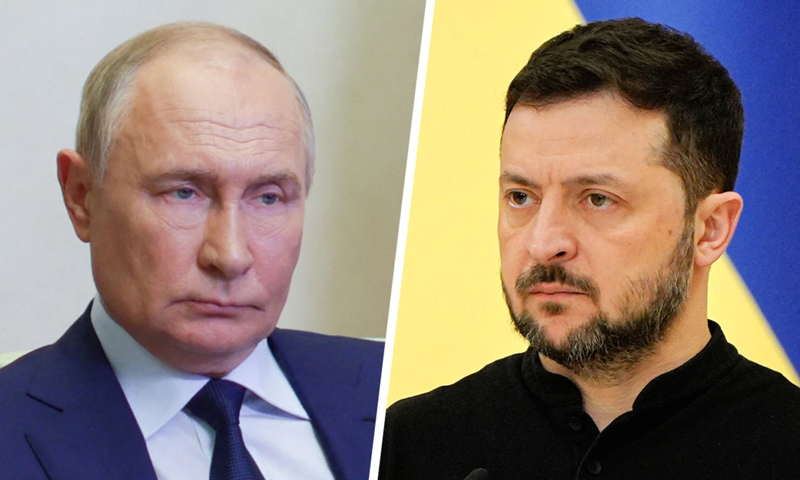
The Kremlin has confirmed that a long-anticipated face-to-face meeting between Russian President Vladimir Putin and Ukrainian President Volodymyr Zelensky remains possible—but only if current diplomatic efforts deliver concrete results.
Speaking to reporters on Saturday, Kremlin spokesperson Dmitry Peskov stressed that any summit would hinge on the outcome of the ongoing negotiations between the two countries’ delegations. “A meeting is possible, but only as a result of the work of the delegations and reaching specific agreements,” Peskov stated.
Rare Progress in Istanbul Talks
His remarks come in the wake of a two-hour meeting in Istanbul on Friday, the first direct contact between Russian and Ukrainian officials since peace talks collapsed in 2022. The discussions were facilitated by Turkish mediators, who have long sought to act as neutral brokers in the conflict.
According to Vladimir Medinsky, Russia’s chief negotiator, the meeting yielded a few notable outcomes:
- Both sides agreed to exchange proposals for a potential ceasefire framework.
- A significant prisoner exchange deal was reached.
- The discussions were described as “satisfactory,” with Moscow open to future contact.
While no breakthrough was announced, analysts say the tone of the meeting marked a departure from previous high-tension interactions, raising hopes for a possible diplomatic thaw.
Kremlin Questions Zelensky’s Legitimacy
Despite the apparent momentum, the Kremlin voiced serious reservations about the constitutional status of President Zelensky. According to Peskov, Moscow questions whether Zelensky holds the legal authority to sign any future peace accord, citing Ukraine’s postponed presidential elections.
“His term has officially expired, and under martial law, elections were not held. We consider this a constitutional crisis,” said Peskov, implying that any agreement signed by Zelensky may lack legal standing in Russia’s view.
Russia has claimed that legislative power in Ukraine should now be seen as residing with Verkhovna Rada, Ukraine’s parliament—a position flatly rejected by Kyiv and its Western backers.
Secrecy Surrounding Russian Demands
While refusing to confirm details, Peskov dismissed questions about leaks from the Istanbul talks, stating that all negotiations should be conducted “behind closed doors” for the sake of effectiveness.
However, a report from Bloomberg, citing unnamed sources, revealed several key Russian demands, including:
- Ukraine’s formal neutrality, barring it from NATO or other military alliances.
- A ban on foreign troops and nuclear weapons within Ukrainian territory.
- Recognition of lost territories, possibly including Crimea and parts of the Donbas region.
- A Ukrainian military withdrawal from occupied territories before a ceasefire takes effect.
These terms—if accurate—present major hurdles for any peace deal, as they would require Kyiv to concede key aspects of sovereignty and territorial integrity.
Role of the U.S. and Trump’s Influence
When asked, Peskov confirmed that Russia has not yet discussed the Istanbul talks with the United States, and currently has no plans to alter its negotiating team. The U.S. has remained publicly cautious, focusing instead on supporting Ukraine’s defense and monitoring diplomatic overtures from afar.
Trump Claims Credit for Averting Nuclear War Between India and Pakistan
Interestingly, sources close to the matter indicated that former U.S. President Donald Trump may have played an indirect role in pushing the negotiations forward. Trump reportedly urged Kyiv to “join the Istanbul talks immediately,” placing public pressure on President Zelensky to reconsider earlier refusals to engage without a preconditioned ceasefire.
While Trump is not in office, his comments continue to carry weight, especially among factions in the U.S. and Europe that advocate for a negotiated settlement to end the war.
Disagreement on Preconditions to Talks
A major sticking point in initiating meaningful negotiations has been the issue of preconditions. Ukraine and its Western allies initially demanded a full and unconditional 30-day ceasefire before any dialogue.
Moscow rejected this, arguing such a pause would enable Ukraine to regroup militarily. Instead, Russia has insisted on direct talks without preconditions, leading to the current compromise reached in Istanbul.
The result: both sides agreed to exchange lists of terms for a potential ceasefire, signaling at least a temporary alignment on procedure, if not substance.
Next Steps: Waiting on Concrete Progress
Despite growing diplomatic activity, the path to a Putin-Zelensky summit remains murky. With both sides still far apart on core issues such as territory, NATO, and sovereignty, substantial breakthroughs will be needed before the leaders can meet face-to-face.
Still, the renewed talks mark a shift from previous months of stagnation. Even if no immediate agreement is reached, the Istanbul meeting has re-opened a door that many feared had permanently closed.
For now, the world watches closely as the next round of negotiations unfolds—potentially setting the stage for a historic meeting between two wartime presidents.
