
Table of Contents
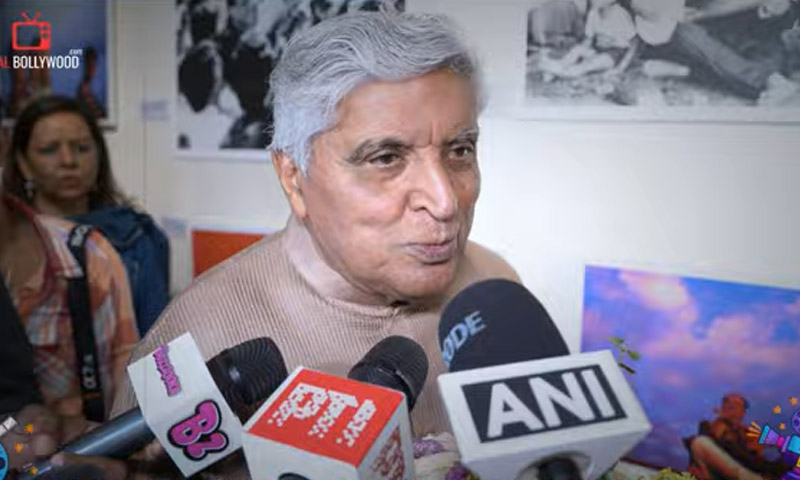
Veteran Indian lyricist and screenwriter Javed Akhtar has once again thrust himself into the center of a geopolitical and cultural firestorm. During a recent public discussion in Mumbai, Akhtar made a scathing remark, saying, “If given the choice between Pakistan and hell, I’d rather choose the latter.”
The incendiary statement has quickly gone viral across Indian and Pakistani social media, reigniting old tensions at a time when both nations are navigating a fragile and uneasy ceasefire.
The Context: A Nation on Edge Post-Ceasefire
Akhtar’s remark comes just weeks after India and Pakistan agreed to de-escalate hostilities following a dangerous military standoff earlier in May 2025. While the ceasefire was welcomed by global powers, it left both nations on edge, with nationalistic fervor simmering beneath the surface.
Within this sensitive geopolitical climate, Akhtar’s remark has been viewed by many as a provocation, undermining recent efforts at thawing relations.
The Statement That Lit the Fire
Speaking at a public intellectual forum in Mumbai, Akhtar reflected on the backlash he frequently receives from across the ideological spectrum—right-wing nationalists in India and pro-Pakistan voices alike. His controversial statement appeared to be part of a larger commentary on extremism and intolerance.
Perrie Edwards Opens Up About Jesy Nelson’s Exit From Little Mix: “It’s Heartbreaking”
However, the specific reference to Pakistan as worse than hell sparked an immediate and ferocious backlash, particularly from Pakistanis who once saw Akhtar as a voice of reason and cross-border goodwill.
Furious Reactions in Pakistan: “Go to Hell”
Some of the most pointed responses came from high-profile Pakistani voices:
- Hamid Mir, veteran journalist, fired back bluntly: “Go to hell.”
- Adnan Siddiqui, a renowned Pakistani actor who once hosted Akhtar warmly during his visit to Lahore in 2020, called him an “educated fool” in a scathing Instagram story.
On social media platforms like X (formerly Twitter) and Instagram, users accused Akhtar of hypocrisy, bigotry, and of betraying the very spirit of cultural exchange he had once championed.
Memes, hashtags, and angry retorts flooded timelines under trending topics such as #BoycottJavedAkhtar, #CrossBorderHypocrisy, and #JavedAkhtarExposed.
Mixed Reactions in India
In India, the response has been more mixed. Some nationalist voices praised Akhtar’s “bold clarity,” viewing it as a direct indictment of Pakistan’s state policies. Others, including liberal commentators and cultural figures, warned that such remarks damage India’s soft power and efforts to maintain people-to-people ties.
A few reminded audiences of Akhtar’s own history of criticizing Hindu extremism, suggesting that his intent may have been rhetorical rather than literal.
Cultural Fallout: A Rift in Artistic Diplomacy
Javed Akhtar has long been regarded as a cultural bridge between India and Pakistan. His previous visits to Pakistan were met with admiration and respect. In 2020, he was celebrated at the Faiz Festival in Lahore, where he spoke eloquently about shared literary and cultural legacies.
That goodwill now appears to be unraveling. Several Pakistani artists and writers have openly declared they will no longer associate with Akhtar or promote his work.
There are also growing calls within Pakistan’s civil society to reassess the value of cultural diplomacy if it is met with disdain and insult in return.
Freedom of Speech vs. Responsibility
The controversy has also reignited a broader debate on the limits of freedom of expression. While Akhtar’s defenders cite his right to speak freely, critics argue that public figures—especially those with cross-border influence—carry a greater burden of responsibility.
Speaking to an Indian news outlet, a Pakistani academic said, “Javed Akhtar doesn’t just represent himself; he represents an idea of shared culture. If he burns that bridge, it affects more than just politics—it wounds the soul of the subcontinent.”
