
Table of Contents
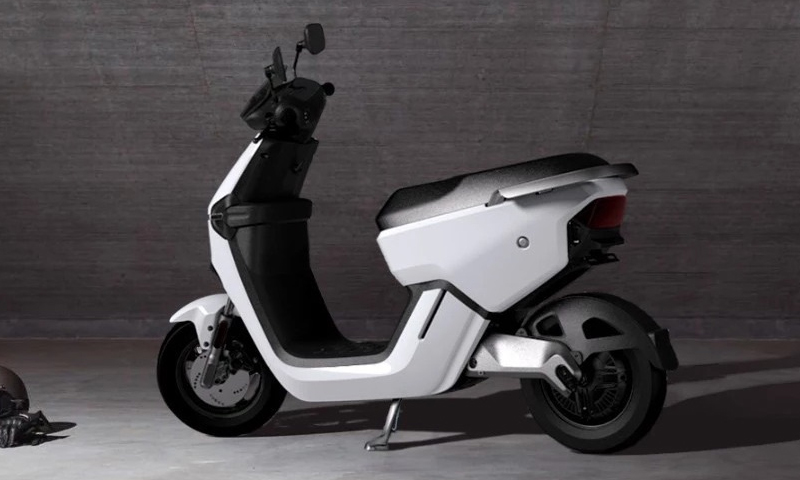
The Economic Coordination Committee (ECC) of the Cabinet has approved a landmark Rs. 9 billion subsidy initiative to promote the use of electric bikes and rickshaws across Pakistan. The decision aims to support the government’s broader clean energy and green transportation goals, while also providing relief to citizens amid rising fuel costs.
The proposal was submitted by the Ministry of Industries and Production and approved during an ECC meeting chaired by Federal Finance Minister Senator Muhammad Aurangzeb.
116,000 E-Bikes and Over 3,000 E-Rickshaws Planned
Under the newly approved plan, the government will roll out:
- 116,000 electric bikes
- 3,170 electric rickshaws and loaders
These will be distributed across the country in two phases, with an initial launch expected soon under the supervision of Prime Minister Shehbaz Sharif.
Phase 1 Details:
- 40,000 electric bikes
- 1,000 electric rickshaws/loaders
This first phase will be used to test operational readiness, consumer response, and logistical efficiency before expanding nationwide.
Free E-Bikes for Top Students
In an innovative twist to promote both sustainability and education, the scheme also includes the distribution of free electric bikes to high-achieving students in government colleges.
Top performers—likely identified via academic metrics and merit-based selection—will be awarded electric bikes at no cost. This move is expected to:
- Encourage educational excellence
- Reduce student transportation costs
- Familiarize youth with eco-friendly mobility options
The Ministry of Industries will coordinate with provincial education departments to design the selection criteria and rollout logistics.
Budget Already Allocated for FY 2025-26
The subsidy scheme will be financed from a Rs. 9 billion budgetary provision already earmarked for the fiscal year 2025–26. The funds will cover:
- Direct purchase subsidies
- Supply chain support
- Public awareness campaigns
- Charging infrastructure where needed
By pre-allocating the budget, the government ensures that implementation can begin without delays.
A Move Toward Green Mobility
The initiative is part of Pakistan’s larger push toward environmentally friendly and fuel-efficient transportation. With increasing urban pollution, rising petrol prices, and energy security challenges, the adoption of electric mobility is seen as a long-term solution.
NEPRA Likely to Cut Power Tariffs by Rs. 0.77 per Unit in August Bills
“This program will reduce fuel consumption, support clean energy, and ease daily travel for thousands of people,” said an official from the Ministry of Industries.
The government is also working to integrate local EV manufacturers into the program, helping grow the domestic electric vehicle ecosystem and creating new job opportunities.
Strategic Importance of Electric Rickshaws
Beyond e-bikes, the inclusion of electric rickshaws and loaders addresses a critical need in Pakistan’s urban and peri-urban logistics and transport networks. Rickshaws are a backbone of short-distance commuting and small-scale goods delivery in cities across Pakistan.
The introduction of battery-powered alternatives will:
- Cut operating costs for drivers
- Reduce emissions in congested areas
- Improve air quality in metropolitan zones
These vehicles will be prioritized in high-traffic urban centers such as Karachi, Lahore, Rawalpindi, Peshawar, and Quetta.
Next Steps: Implementation and PM Launch
The Prime Minister is expected to formally launch the initiative within the coming weeks. Preparations are already underway to:
- Finalize procurement contracts
- Register eligible beneficiaries
- Set up distribution channels
- Promote EV awareness campaigns
The ECC has directed all concerned departments to expedite groundwork and ensure transparency and accessibility in the scheme’s execution.
A Step in the Right Direction
Experts have praised the decision, noting that such programs are critical in mainstreaming electric mobility in developing nations. While the current numbers are modest compared to Pakistan’s broader transportation needs, the move is symbolic of a long-term policy shift toward sustainability.
Environmental activists, education leaders, and public transport advocates have all expressed optimism that this model—if implemented transparently—could serve as a template for future public-private partnerships in clean transportation.
Final Thoughts
With fuel prices rising and urban pollution reaching dangerous levels, Pakistan’s push for electric vehicles comes at a crucial time. The ECC’s approval of this subsidy scheme marks a decisive step toward cleaner, cheaper, and smarter mobility.
Whether it’s a student getting their first ride to college or a rickshaw driver saving on fuel, this initiative has the potential to improve lives—one electric ride at a time.
