
Table of Contents
A Turning Point in the Middle East Conflict
In a significant development that could reshape regional stability, Hamas has released the final cohort of 20 surviving Israeli hostages under a comprehensive US-brokered ceasefire agreement. This momentous exchange marks a pivotal breakthrough following two years of intense conflict, as world leaders signal optimism for a sustained peace framework across the Middle East.
Historic Hostage Release and International Recognition
The Israeli military confirmed receipt of all surviving hostages after their transfer from Gaza by the International Committee of the Red Cross. The handover sparked waves of emotional celebration at Tel Aviv’s “Hostage Square,” where families reunited with their loved ones after prolonged uncertainty.
Among the released hostages, Guy Gilboa-Dalal demonstrated the profound relief of the survivors, writing on a whiteboard while being evacuated: “I have returned the people of Israel live.” Viki Cohen, mother of released hostage Nimrod Cohen, expressed the sentiments of many families, stating, “I am full of happiness. It’s hard to describe what I feel right now.”
Trump’s Vision for Regional Peace and Stability
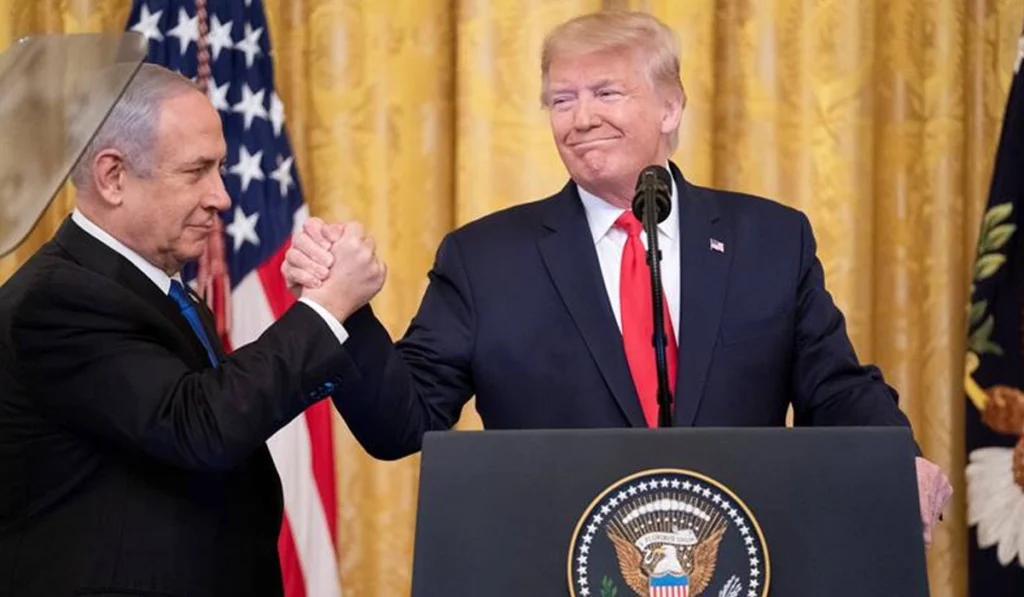
During his address to Israel’s Knesset, President Trump characterized the ceasefire as the conclusion of a “long nightmare” for both Israelis and Palestinians. He emphasized that the agreement represented more than a military resolution—it symbolized “the beginning of a new historic era for the Middle East.”
“The forces of chaos that have plagued the region are totally defeated. Together, we have shown that peace is not merely a dream to aspire to, but a reality that can be built day by day, person by person, and nation by nation.”
Trump attributed the success of negotiations to collaborative efforts among Arab and Muslim nations, specifically crediting their collective pressure on Hamas to release hostages. He also acknowledged the contributions of Middle East envoy Steve Witkoff and administration officials who facilitated the agreement.
Addressing Regional Instability and Broader Conflicts
Expanding his vision beyond Gaza, Trump commented on developments in neighboring regions. Regarding Lebanon, he stated that “Hezbollah’s dagger pointed at Israel has now been completely broken,” and expressed support for Lebanon’s new president and disarmament initiatives.
The administration also signaled optimism about potential diplomatic engagement with Iran, with Trump noting that achieving peace with the Iranian nation “would be a great thing—because the Iranian people want to live.”
Comprehensive Peace Framework and International Cooperation
The ceasefire agreement calls for the establishment of an international “Board of Peace” to be led by the Trump administration, overseeing implementation of the next phase. This framework is designed with input from Egypt, Qatar, and Turkey key regional mediators who played crucial roles in the negotiations.
A summit in Sharm el-Sheikh convened more than 20 world leaders to discuss the peace blueprint and coordinate post-conflict reconstruction efforts for Gaza. This diplomatic initiative seeks to establish a sustainable governance structure while addressing humanitarian needs and long-term stability.
Humanitarian Crisis and Reconstruction Priorities
The two-year conflict has devastated Gaza’s infrastructure and displaced nearly the entire population of 2.2 million residents. Israeli military operations have resulted in significant casualties, with Gaza health officials reporting over 67,000 Palestinian deaths since October 2023.
To address the humanitarian emergency, Israel has approved new emergency supply deliveries, while international aid organizations, including the UN humanitarian agency, have called for unimpeded access to provide essential services to affected populations.
Outstanding Challenges and Future Uncertainties
Despite the optimistic rhetoric surrounding the ceasefire, political analysts caution that substantial obstacles remain. Critical unresolved issues include Gaza’s future governance structure, Hamas’s organizational status, and the broader question of Palestinian statehood.
The agreement reportedly includes provisions for Hamas disarmament under the peace plan, though the organization has previously rejected such conditions without achieving independent statehood. Additionally, questions persist regarding Israel’s long-term military presence and the nature of Palestinian autonomy in post-conflict Gaza.
Additionally, approximately 26 confirmed deceased hostages and 2 missing individuals are expected to be returned as part of the agreement, with international committees working to locate remains within Gaza’s war-damaged landscape.
