
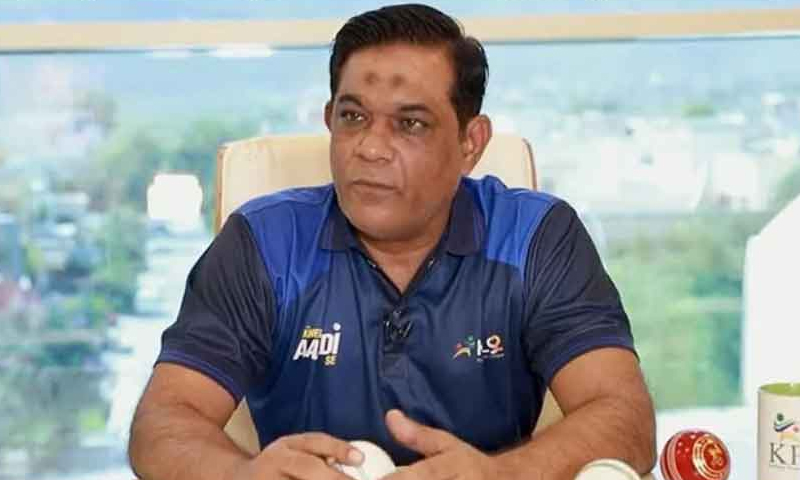
The National Cyber Crime Investigation Agency (NCCIA) has initiated formal investigations against former Pakistan cricket captain Rashid Latif, following two separate complaints regarding statements he made on social media and during a YouTube programme. The inquiries mark one of the most serious confrontations in recent years between a former national cricketer and the cyber-regulatory authorities, especially given the sensitivity of the allegations involving the Pakistan Cricket Board (PCB).
According to multiple media reports, the PCB’s Senior Legal Manager submitted a detailed complaint to the NCCIA alleging that Latif had made “irresponsible and inflammatory” remarks during an online programme. In the episode, while discussing wicketkeeper-batter and current team captain Mohammad Rizwan, Latif reportedly questioned whether a player should retain his leadership role if he “raises another country’s flag.”
This comment sparked considerable debate online, with many interpreting it as an indirect reference to Rizwan’s public gestures in support of Palestine—gestures that have been broadly welcomed by fans but have occasionally drawn criticism from certain quarters. The PCB, however, viewed the comment as potentially damaging to the reputation of a serving national captain, prompting the complaint to the cybercrime agency.
A second request sent to NCCIA was even more serious in tone. In this complaint, Rashid Latif was accused of using his social media account to accuse the PCB—and individuals associated with the board—of facilitating or promoting gambling-related applications. His posts suggested that “punishment and reward” existed within the cricket system depending on whether gambling logos were hidden or displayed, implying deliberate misconduct or unethical partnerships within the cricketing setup.
Such allegations, if proven, could not only tarnish the PCB’s credibility but also carry legal consequences due to Pakistan’s strict stance on gambling, betting promotion, and corruption within sports. For this reason, the NCCIA took immediate notice and treated the matter as a potential cyber defamation and misinformation case.
NCCIA officials confirmed that Rashid Latif was summoned to explain his comments and social media activity. He complied with the agency’s call, appearing in person and recording his initial statement regarding both complaints. During this preliminary session, investigators questioned the former captain about the context of his remarks, the sources of his allegations, and whether he possessed any evidence supporting the claims he made about PCB officials.
After recording his initial statement, the NCCIA served Latif with a formal questionnaire containing detailed queries. Such questionnaires typically require the respondent to provide clear, written answers about the intent behind their remarks, the authenticity of the information shared, and the chain of events leading to the disputed statements. Latif has been asked to submit his written responses within the coming days.
Officials stated that once the questionnaire is returned, the investigation team will analyse his responses, cross-check them with evidence and digital records, and decide whether the matter warrants further legal action, closure, or formal charges under Pakistan’s cybercrime laws.
The developments have triggered a strong reaction from cricket fans and analysts. Rashid Latif, known for his outspoken personality and history of calling out corruption in cricket, has long been a controversial figure in Pakistan’s cricketing discourse. While some fans believe he raises legitimate concerns, others argue that his recent statements have been speculative or unnecessarily provocative.
His comments about Mohammad Rizwan, in particular, have been heavily debated. Supporters of the captain argue that his expressions of solidarity with global humanitarian causes should not be interpreted as political misconduct. Critics, however, believe that sports figures should avoid actions that may spark diplomatic or administrative complications.
The allegations regarding gambling apps have also struck a nerve. Pakistan’s cricketing environment has been historically sensitive to match-fixing, betting scandals, and sponsorship ethics. As a result, even indirect accusations carry significant weight and can trigger institutional backlash.
For the PCB, the decision to escalate the matter to a federal investigation reflects a zero-tolerance approach toward statements they believe could damage the board’s reputation or spread unverified claims about its conduct. The board has intensified its legal oversight in recent years, frequently responding to online allegations directed at its players and officials.
On the other hand, Rashid Latif’s supporters argue that holding former cricketers accountable for their views—especially those expressed during analytical or opinion-based programmes—sets a concerning precedent. They fear it could discourage whistleblowing or honest critique within Pakistan’s cricketing landscape.
As the investigation progresses, all eyes now turn to the NCCIA’s next steps. The agency has confirmed that its course of action will depend entirely on the content and clarity of Latif’s written response. If his answers satisfy investigators or if he retracts or clarifies the controversial statements, the case could be closed. If not, the matter may escalate into a formal cybercrime inquiry, potentially resulting in penalties, warnings, or a court trial.
For now, Rashid Latif awaits the next phase of what has quickly become one of the most widely discussed controversies in Pakistan cricket this year.
