
Table of Contents
The world’s northern forests are approaching a dangerous tipping point where they could shift from absorbing carbon dioxide to releasing it, threatening global climate goals, according to a Wednesday UN assessment.
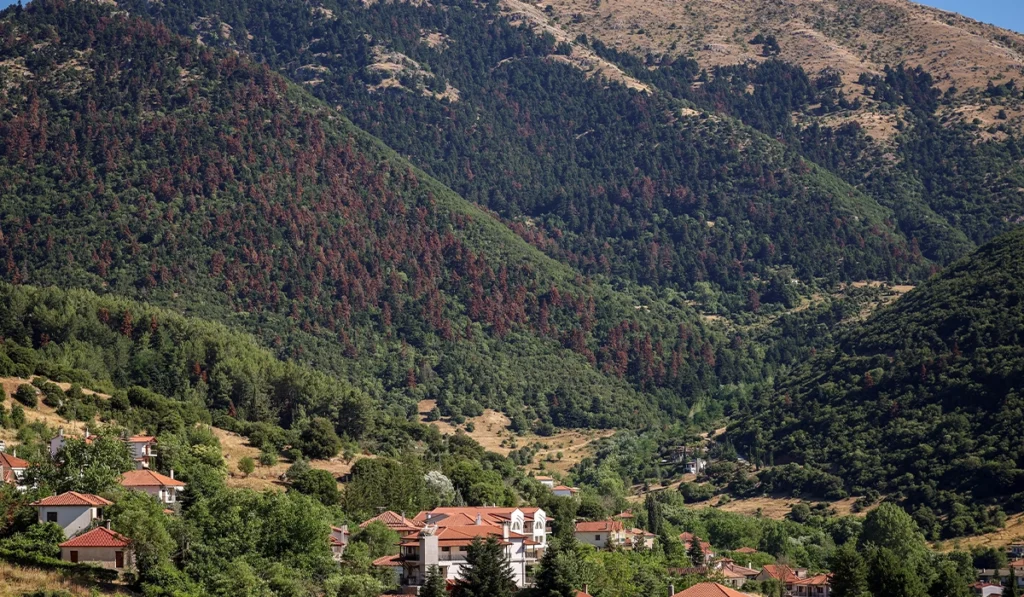
The United Nations Economic Commission for Europe has documented declining carbon absorption rates across forests spanning Europe, North America, Central Asia, and the Caucasus region. These woodlands, which contain roughly half of global forest carbon reserves, are experiencing unprecedented stress from wildfires, temperature extremes, and prolonged drought conditions.
Declining Carbon Capture Capacity
Research demonstrates the severity of this trend. European forests captured 33 percent less carbon dioxide during 2020-2022 compared to the 2010-2014 period, according to the European Union’s Joint Research Centre analysis.
“What we have achieved over three decades faces serious jeopardy from our climate emergency,” stated UNECE Executive Secretary Tatiana Molcean. She emphasized that losing these natural carbon capture systems would be catastrophic for climate stability.
Boreal Ecosystems Under Threat
Arctic boreal forests face particularly acute vulnerability. These ecosystems harbor nearly half the planet’s ancient, undisturbed woodlands and store massive carbon quantities. Rising temperatures and increasingly severe wildfire seasons threaten their ecological balance.
Northern hemisphere forests represent over 42 percent of worldwide forest coverage. However, intensifying fires, invasive pest outbreaks, and water scarcity are compromising their traditional role as atmospheric carbon regulators.
Should current deterioration patterns persist, these forests could transform into net carbon emitters rather than absorbers. Such a reversal would significantly undermine Paris Agreement objectives of limiting global temperature increases to 1.5 degrees Celsius.
International Climate Action
Brazil plans to unveil its Tropical Forests Forever Fund at the upcoming COP30 conference, providing financial mechanisms for nations prioritizing forest conservation. This initiative recognizes that protecting forest ecosystems has become essential climate infrastructure.
The report underscores urgent necessity for enhanced forest management strategies and emissions reductions to preserve these irreplaceable natural climate solutions.
