
Table of Contents
Pakistani and Afghan delegations convened Wednesday for critical negotiations addressing escalating border tensions, cross-border militant attacks, and counter-terrorism cooperation, with regional stability hanging in the balance.
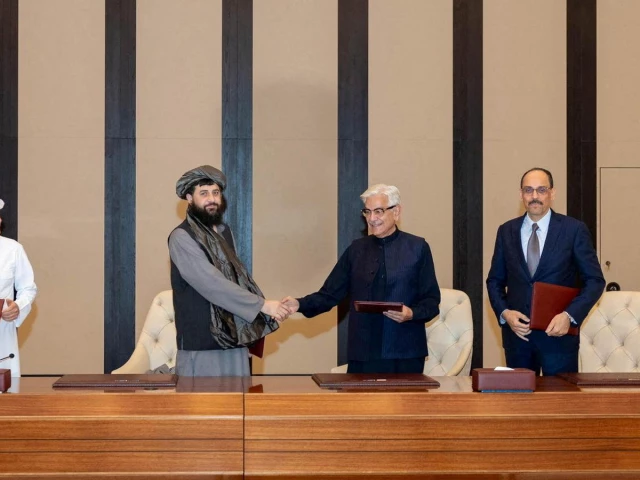
The Pakistani team, headed by ISI Director General and National Security Advisor Lt Gen Asim Malik, arrived in Istanbul for discussions that officials describe as potentially decisive for bilateral relations. This dialogue follows earlier five-day negotiations that produced a temporary ceasefire arrangement.
Key Participants and Agenda
Afghanistan’s delegation includes intelligence chief Abdul Haq Wasiq, Deputy Interior Minister Haji Najib, Foreign Ministry Spokesperson Abdul Qahar Balkhi, and prominent Taliban figures Sohail Shaheen and Anas Haqqani. Turkey and Qatar are jointly facilitating the principal-level meeting, which will address counter-terrorism mechanisms, border management protocols, and de-escalation frameworks.
Rising Tensions Over TTP Operations
Islamabad has intensified pressure on Kabul regarding Tehreek-e-Taliban Pakistan sanctuaries allegedly operating from Afghan territory. Recent border confrontations resulted in significant casualties—approximately 206 Afghan Taliban fighters and 110 TTP militants killed, according to Pakistani military assessments.
ISPR Director General Lt General Ahmed Sharif delivered a stern warning this week, stating any cross-border attack would constitute a ceasefire violation and trigger “full force” retaliation. “Afghanistan’s soil must not enable terrorism against Pakistan,” he emphasized, noting Islamabad’s patience has limits despite exercising considerable restraint.
Last month’s heavy clashes prompted Pakistan to seal major border crossings, disrupting bilateral trade and movement.
Competing Priorities
Pakistani negotiators will demand verifiable action against TTP infrastructure, including dismantling training facilities and logistical networks inside Afghanistan. Diplomatic sources indicate discussions will focus on intelligence-sharing arrangements and preventing militant infiltration.
Afghan representatives are expected to raise objections regarding Pakistani airstrikes on Afghan territory and accelerated deportation of undocumented Afghan refugees. Kabul maintains it opposes cross-border violence and urges Pakistan to address domestic security vulnerabilities rather than external attribution.
Regional Stakes
A senior Pakistani official emphasized results-oriented expectations: “Afghan soil must not facilitate attacks on Pakistan. If commitments aren’t honored, all options remain available.”
Failure to achieve meaningful agreements could trigger further border militarization, extended crossing closures, and severe trade disruptions, potentially destabilizing the broader region.
