
Table of Contents
Court Upholds Treaty Validity, Restricts Dam Construction
The Permanent Court of Arbitration (PCA) in The Hague has ruled that the Indus Waters Treaty (IWT) between Pakistan and India remains fully in force, rejecting New Delhi’s unilateral attempt to suspend the decades-old water-sharing agreement.
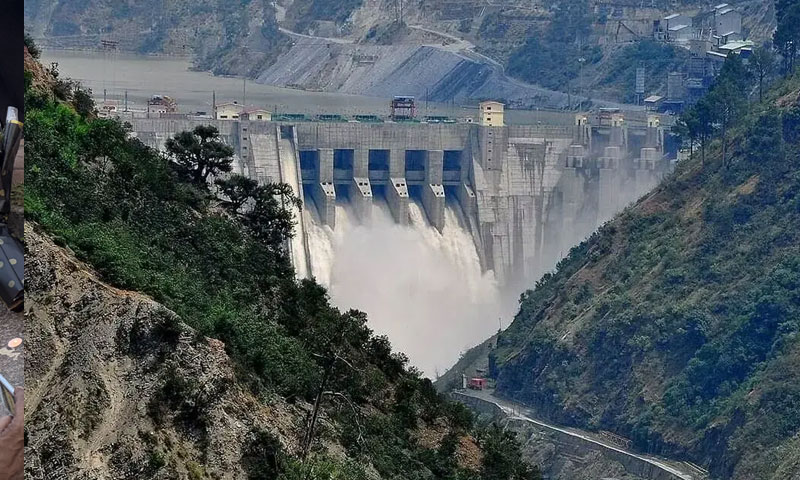
In a significant legal victory for Pakistan, the tribunal issued two decisions on Monday: an award affirming the treaty’s continued validity, and an order imposing interim restrictions on construction of key components of India’s Ratle Hydro-Electric Plant on the Chenab River.
The court said India had no legal justification for ending or suspending the agreement, and that unilateral action could not displace an agreed legal framework.
Interim Measures and Neutral Expert Process
Under the restrictions, India is prohibited from concreting the Ratle dam wall and power intake structure above specified levels until a Neutral Expert, appointed by the World Bank, issues a final decision on whether the project’s design complies with the treaty.
The court also required India to notify the Court of Arbitration, the Neutral Expert, and Pakistan of any changes to the Ratle construction schedule.
The Neutral Expert’s current work programme envisages a final decision around July 16, 2027.
India Rejects Ruling, Pakistan Welcomes Decision
India categorically rejected the ruling, maintaining that the arbitration process has no jurisdiction over the matter and that its decision to place the treaty “in abeyance” remains in force. The Ministry of External Affairs reiterated that proceedings of the “illegally constituted so-called Court of Arbitration” are “null and void”.
Pakistan, however, welcomed the ruling as a strategic consolidation of its treaty position, with Deputy Prime Minister Ishaq Dar warning India of “profound consequences” for regional peace if it seeks to deprive Pakistan of its allocated waters.
Treaty Significance and Background
The Indus Waters Treaty, signed in 1960, allocates the three eastern rivers (Ravi, Beas, Sutlej) to India and the three western rivers (Indus, Jhelum, Chenab) to Pakistan, subject to specific permitted uses. India placed the treaty “in abeyance” in April 2025 following the Pahalgam attack, a move Pakistan rejected as having no basis in the treaty.
