
Table of Contents
ISLAMABAD: A joint sitting of Parliament has been summoned for Thursday to consider presidential proclamations concerning the imposition of emergency and governor’s rule in Khyber Pakhtunkhwa.
According to the agenda issued by the Parliamentary Secretariat, the session will begin at 11am on October 15.
The agenda includes the presidential proclamation of emergency issued on October 11 under Article 232 of the Constitution, along with a separate proclamation concerning governor’s rule in the province under Article 234.
Federal Minister for Parliamentary Affairs Dr Tariq Fazal Chaudhry will present both proclamations and move separate resolutions seeking their approval.
The agenda also includes a motion to suspend certain provisions of the Parliament (Joint Sitting) Rules, 1973, relating to the notice period required for moving the resolutions.
National Assembly and Senate Endorse Emergency
The joint sitting follows resolutions passed by the National Assembly and Senate on Wednesday endorsing the emergency proclamation.
The National Assembly adopted the resolution by a majority vote after more than four hours of debate, during which opposition lawmakers protested the federal government’s decision concerning the Pakistan Tehreek-e-Insaf (PTI)-led provincial administration.
The Senate also approved the resolution by a majority amid protests, with PTI lawmakers subsequently walking out, according to media reports.
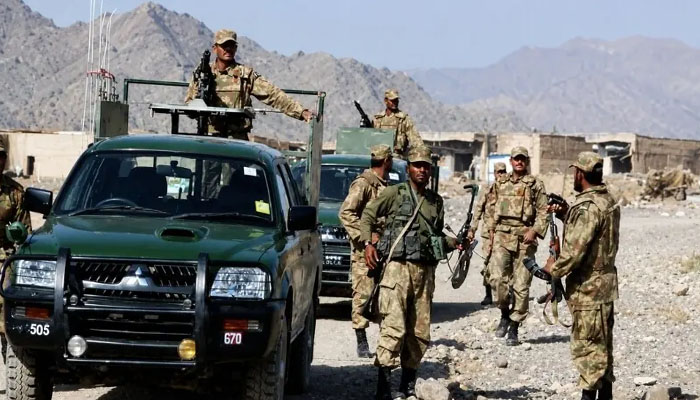
The government maintained that the emergency had been imposed in accordance with the Constitution and was necessary to address the deteriorating security situation in the province.
Government Cites Rising Terrorism
Defending the decision in Parliament, Law Minister Azam Nazeer Tarar said the federal cabinet had considered the security situation before recommending emergency measures.
Tarar told lawmakers that 3,787 terrorist incidents had been recorded in Khyber Pakhtunkhwa during the period he cited. He accused the provincial government of prioritising political activities over counterterrorism efforts.
Defence Minister Khawaja Asif argued that the increase in militant attacks had left the federal government with limited options, while Planning Minister Ahsan Iqbal said the provincial administration had failed to provide adequate assurances regarding counterterrorism measures.
Pakistan Peoples Party (PPP) Chairman Bilawal Bhutto-Zardari said the government had attempted to avoid imposing emergency but held PTI’s leadership responsible for the circumstances that led to the decision.
Bilawal also called for a broader national strategy against terrorism and greater cooperation between federal and provincial authorities.
PTI Rejects Governor’s Rule
PTI has rejected the imposition of emergency and governor’s rule, describing the move as politically motivated and an attempt to undermine its electoral mandate in Khyber Pakhtunkhwa.
The party argues that the federal government’s decision threatens provincial autonomy and democratic governance.
PTI Chairman Barrister Gohar Ali Khan has also challenged the proclamations before the Peshawar High Court.
The dispute comes amid heightened tensions between the federal government and PTI over security policy, political protests and demands concerning the party’s founder, Imran Khan, who remains in prison.
The federal government says the measures are intended to improve security and coordination against militancy, while PTI disputes allegations that its provincial administration failed to address terrorism effectively.
Governor to Oversee Provincial Affairs
Under the arrangement announced by the government, KP Governor Faisal Karim Kundi is to oversee provincial affairs with assistance from an 11-member advisory council.
The proposed arrangement has become a major point of contention between the federal government and PTI, which maintains that the move undermines the authority of its elected provincial administration.
Parliament to Consider Constitutional Proclamations
Thursday’s joint sitting will provide Parliament with an opportunity to consider the presidential proclamations and the separate resolutions seeking their approval.
The proceedings are expected to focus on the constitutional basis for emergency and governor’s rule, the government’s stated security concerns and opposition objections to the measures.
