
Table of Contents
Negotiations are reaching a pivotal moment in Qatar as the international community intensifies efforts to broker a ceasefire agreement in Gaza. With U.S. President Joe Biden signaling that a deal could be imminent, talks focus on securing the release of hostages, halting the ongoing conflict, and providing critical humanitarian assistance to the Palestinian people. As the region faces its worst humanitarian crisis in decades, international diplomats and negotiators have been working tirelessly to end the violence that has ravaged Gaza for over a year.
The Road to Peace: Negotiations in Qatar
The ongoing discussions between Israel, Hamas, and mediators from Qatar have entered their final stages, according to officials involved in the talks. Majed Al-Ansari, a spokesperson for Qatar’s foreign ministry, confirmed that negotiators are working on the final details of an agreement that could pave the way for a ceasefire. Both Hamas and Israeli officials have expressed cautious optimism about the possibility of a deal, with a Palestinian source close to the negotiations stating that the deal could be finalized on Tuesday if all goes according to plan.
While talks have reached a critical phase, an Israeli official cautioned that some important details still need to be addressed. Despite this, all parties agree that the deal on the table would provide much-needed relief to both sides, especially as the ongoing war has caused immense destruction and loss of life.
Key Components of the Proposed Deal
The proposed ceasefire deal is set to be a phased agreement aimed at ending hostilities and providing a pathway for humanitarian aid. Under the terms of the deal, Israel would agree to the release of 33 hostages, including women, children, and the wounded. In exchange, approximately 1,000 Palestinian prisoners would be released, and the first phase of the ceasefire would be implemented for a duration of 60 days. The deal would also see Israel gradually withdraw its forces from certain areas of Gaza, marking a significant de-escalation of military operations in the region.
The goal of the ceasefire is not only to halt the ongoing fighting but also to allow for the provision of critical humanitarian aid to the people of Gaza, who have suffered tremendously from the conflict. U.S. President Joe Biden emphasized the importance of securing a deal that would “provide security to Israel” while ensuring that Palestinian civilians receive the aid they need.
The Human Cost of the War
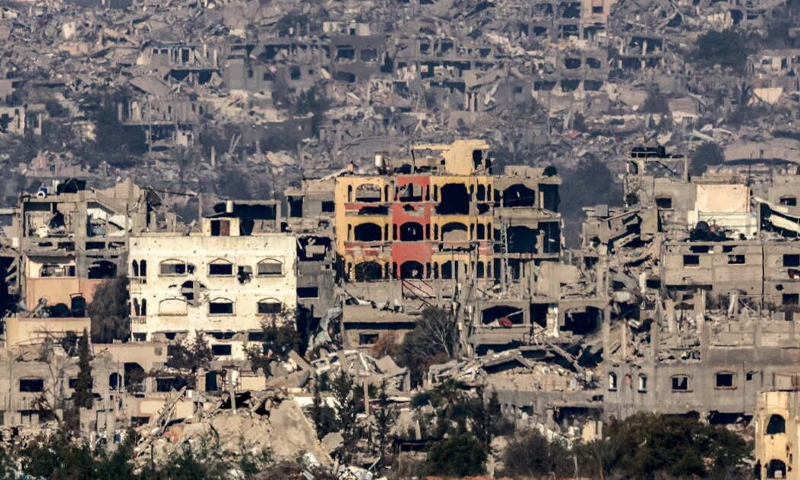
The conflict between Israel and Hamas, which began on October 7, 2023, has already claimed tens of thousands of lives in Gaza. According to Palestinian health officials, over 46,000 people have been killed since the start of the war. The humanitarian situation in Gaza has reached catastrophic levels, with most of the population displaced from their homes and facing severe shortages of food, clean water, and medical supplies.
Despite the severe toll the war has taken on Palestinian civilians, both sides have remained locked in a cycle of violence. Previous ceasefire efforts have failed due to disagreements over key issues, including the scope of the ceasefire and the long-term goals of the conflict. Hamas has insisted that any deal must include the dismantling of the Israeli occupation, while Israel has argued that it will not end the war until Hamas is neutralized as a threat.
A New Urgency: The Countdown to Trump’s Inauguration
As the January 20 inauguration of U.S. President-elect Donald Trump draws closer, there is growing pressure to finalize a ceasefire deal. Trump has made it clear that he expects hostages held by Hamas to be released before he assumes office, and his Middle East envoy, Steve Witkoff, has been actively involved in the ongoing negotiations.
The Trump administration has also expressed its firm commitment to supporting a final peace agreement, and negotiators are working to ensure that the deal being discussed is acceptable to both Trump’s incoming administration and the Biden administration. This unique situation, where both U.S. administrations are involved in the talks, adds another layer of complexity to the negotiations.
Continuing Violence Amidst Diplomatic Efforts
While talks progress, the violence in Gaza continues unabated. Israeli forces have been carrying out airstrikes across the enclave, particularly targeting areas in the north where Hamas is believed to be regrouping. On Tuesday, Gaza health officials reported that at least 27 Palestinians were killed in Israeli airstrikes, including a journalist. These strikes underscore the urgency of a ceasefire agreement, as the humanitarian crisis continues to escalate.
The broader implications of the war extend beyond Gaza, as the conflict has fueled tensions across the Middle East. In the West Bank, Lebanon, Syria, and other countries, protests and clashes have erupted, with many fearing that the conflict could lead to a wider regional war. The growing threat of conflict between Israel and Iran also looms large, as both countries have increasingly found themselves on opposing sides of the war in Gaza.
The Path Forward: A Glimmer of Hope
Despite the challenges, there is a glimmer of hope that the current round of negotiations will result in a lasting ceasefire agreement. Both sides have indicated a willingness to discuss terms, and the presence of key U.S. officials in the talks is seen as crucial in pushing the process forward. However, it remains to be seen whether the current momentum can be sustained, or if the final details will prove insurmountable.
As the world watches, the next few days could determine whether Gaza will finally see an end to the violence that has consumed the region for over a year. The potential for peace, while fragile, remains within reach—if negotiators can overcome the remaining obstacles and find a path to lasting resolution.
