
Table of Contents
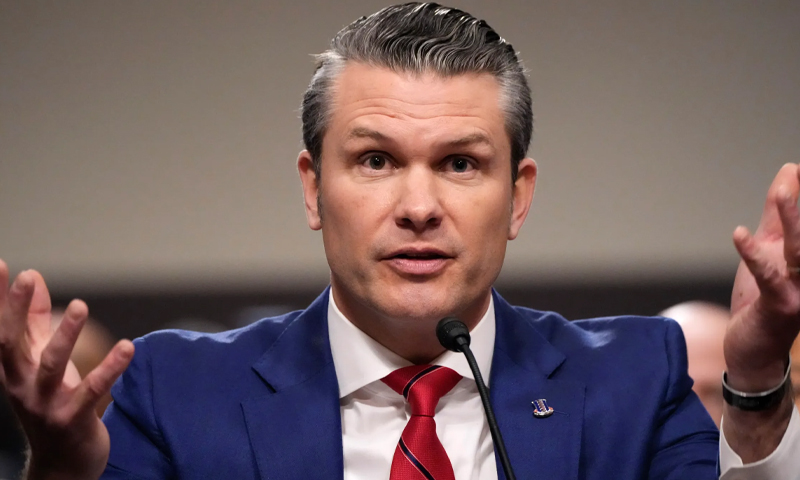
Donald Trump’s pick to lead the Pentagon, Pete Hegseth, faced a rigorous and at times heated confirmation hearing on Tuesday. Hegseth, a former Fox News host, decorated military veteran, and staunch supporter of Trump’s policies, was questioned for over four hours by members of the Senate Armed Services Committee. The hearing highlighted the deep divisions between the political parties and raised significant concerns over Hegseth’s qualifications for the role, his controversial past, and his views on key military issues.
Hegseth, who has been one of Trump’s most outspoken and controversial nominees, is known for his conservative views, particularly on military culture and diversity. The 44-year-old nominee has attracted significant attention due to his past opposition to women in combat, his criticisms of the U.S. military’s diversity initiatives, and allegations related to his personal conduct. Despite these challenges, he emerged from the hearing largely unscathed among Republican senators, although his confirmation remains far from assured.
Controversial Remarks and Past Allegations
Throughout the hearing, Hegseth was grilled on a range of issues, with Senate Democrats raising concerns about his previous remarks, personal conduct, and lack of experience in military leadership roles. One of the most significant points of contention was Hegseth’s past opposition to women in combat, a position he appeared to soften during the hearing. While he conceded that women could serve in combat roles as long as they met the necessary standards, Hegseth had previously been outspoken in his belief that the military should not impose quotas for women in frontline positions. Senator Kirsten Gillibrand (D-NY) strongly challenged Hegseth on this issue, expressing disappointment in his previous statements, which she deemed “brutal” and “mean.”
Hegseth also faced scrutiny over a 2017 sexual assault allegation, which was never prosecuted and which he denied. Additionally, he was accused of excessive drinking and financial mismanagement at veterans’ organizations, charges he acknowledged but denied any intentional wrongdoing. Hegseth promised to abstain from alcohol if confirmed and stated that he had learned from past mistakes.
Despite these challenges, Hegseth defended his record and expressed confidence in his ability to lead the Pentagon. “I am ready to serve and to lead our military with the highest standards of accountability,” he stated.
Republican Support and Strong Backing from Trump’s Allies
While Democrats raised concerns, Hegseth found strong support from Republican senators, many of whom praised his commitment to military readiness and accountability. Republican Senator Joni Ernst, a veteran with significant influence in the party, voiced her backing after speaking with Hegseth and hearing from her constituents in Iowa. Ernst emphasized her trust in Trump’s decision and expressed her belief that Hegseth was the right choice to restore a “warrior culture” within the military.
Senator Roger Wicker (R-MS), the Republican chair of the committee, also defended Hegseth, describing him as “unconventional” but committed to restoring discipline and effectiveness to the U.S. military. Despite concerns about Hegseth’s personal history, Wicker dismissed these as a part of the broader political process. “Hegseth has admitted to falling short, as we all do from time to time,” Wicker said.
At the hearing, Hegseth’s supporters in the audience — many wearing “Hegseth for Secretary of Defense” hats — cheered loudly, offering chants of “USA, USA, USA.” This enthusiastic backing stood in stark contrast to the criticism from Democratic senators, who expressed doubts about his ability to lead the Pentagon in the face of complex global challenges.
Questions Over Military Strategy and Foreign Policy
Another key area of concern for Hegseth’s critics was his lack of experience in foreign policy and his limited management experience in large organizations. Senator Tammy Duckworth (D-IL), a combat veteran who lost both legs in Iraq, directly challenged Hegseth on his knowledge of global security threats, particularly regarding U.S. relations with Russia and China. Duckworth pointed out that Hegseth’s lack of foreign policy experience raised questions about his ability to navigate sensitive international issues, especially in regions like Eastern Europe and Asia.
Hegseth’s stance on diversity and inclusion in the military also drew fire. He has previously criticized what he sees as progressive policies within the armed forces, which he argues prioritize identity politics over military readiness. The hearing centered largely on these cultural issues, with limited discussion on the pressing military challenges the next defense secretary will face, such as ongoing conflicts in Ukraine and rising tensions with China.
Narrow Path to Confirmation
While Hegseth garnered support from key Republican senators, including Markwayne Mullin (R-OK) and Tim Sheehy (R-MT), who dismissed the criticisms of Hegseth as “political theater,” his confirmation is expected to be close. With the Republican majority in the Senate being slim, Hegseth can afford to lose the support of no more than three Republican senators to secure confirmation. Democratic senators have already voiced their opposition, and independent senators are likely to follow suit.
Hegseth’s nomination is a flashpoint in the ongoing debate over military culture and leadership. If confirmed, he would likely move swiftly to make good on Trump’s promises to reshape the U.S. military, including purging senior military officials whom Trump has accused of pursuing progressive diversity policies.
The final vote on Hegseth’s confirmation could come as early as Monday, the day of Trump’s inauguration. If confirmed, he will face immense challenges, including the ongoing war in Ukraine and the expanding influence of China. His ability to lead the Pentagon will depend largely on whether he can unite a deeply divided Senate and command the confidence of military leaders at home and abroad.
