
Table of Contents
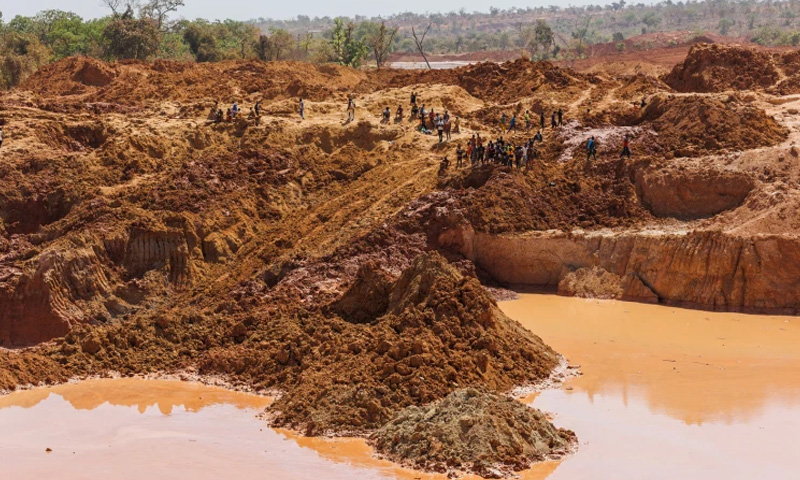
On Saturday, a tragic mining disaster struck in western Mali, where at least 48 people lost their lives in a collapse at an illegally operated gold mine. The incident occurred in a region known for its gold production, a key economic activity in one of Africa’s poorest nations.
According to local sources and authorities, the collapse took place in the afternoon, with the toll rising to 48 dead by 6:00 PM local time. Some of the victims reportedly fell into the water, including a woman who had her baby on her back at the time of the accident. The situation has highlighted the perilous working conditions at unregulated mining sites in Mali, where deadly landslides and collapses are tragically common.
Mali’s Mining Crisis: Unregulated and Deadly
Mali is one of Africa’s largest gold producers, yet the country struggles to manage its mining industry, particularly illegal and unregulated mining activities. These sites are often overcrowded and poorly maintained, leading to frequent accidents and loss of life. Despite being a major source of income and economic activity, many of Mali’s gold mines are poorly regulated, exposing workers to serious risks.
The collapse occurred at a site once operated by a Chinese company but was abandoned long ago. This site, like many others in Mali, became a hotspot for illegal miners, particularly in the absence of effective oversight. Mining accidents are tragically frequent in Mali, with another deadly collapse occurring just over a year ago in the same region, resulting in more than 70 deaths. This latest disaster highlights the continued failure to control such unregulated mining, putting both workers and the environment at severe risk.
Earlier Incidents: A Pattern of Tragedy
Saturday’s collapse follows a series of deadly mining accidents in the region. Just last month, a landslide at a gold mine in southern Mali killed at least 10 people, many of whom were women. These recurring accidents underscore the dangerous conditions miners face in the country, where thousands of people risk their lives daily in search of gold.
The frequent mining disasters have raised serious concerns about the lack of oversight and regulations, despite the mining industry being a critical component of Mali’s economy. With limited resources and infrastructure, authorities are struggling to control illegal mining activities, which continue to claim lives and harm local communities.
Efforts to Recover and Ongoing Search for Victims
Following the collapse, local authorities, along with members of the Kenieba Gold Miners’ Association, confirmed the death toll of 48. The search for missing victims continues as rescue teams work to recover bodies from the wreckage. Many of the victims are believed to have been trapped under tons of debris after the tunnel they were working in collapsed.
While the immediate focus is on recovering the bodies and providing support to the families of the victims, the larger issue of illegal and unsafe mining practices in Mali remains unresolved. Local environmental organizations have stressed the need for more regulation and oversight of the mining industry to prevent future tragedies.
A Call for Action: Regulation and Safety
This disaster serves as a reminder of the urgent need for greater regulation in Mali’s gold mining sector. The government and international organizations must take action to improve safety standards, provide training for miners, and reduce the risk of accidents. Addressing the root causes of illegal mining, including poverty and lack of employment opportunities, will also be crucial to preventing further loss of life in this hazardous industry.
In the wake of this tragedy, there is a growing call for increased international support and intervention to address the structural issues that contribute to the high number of mining-related deaths in Mali. While the search for victims continues, the focus must also shift toward ensuring the safety and well-being of those who depend on mining for their livelihoods.
