
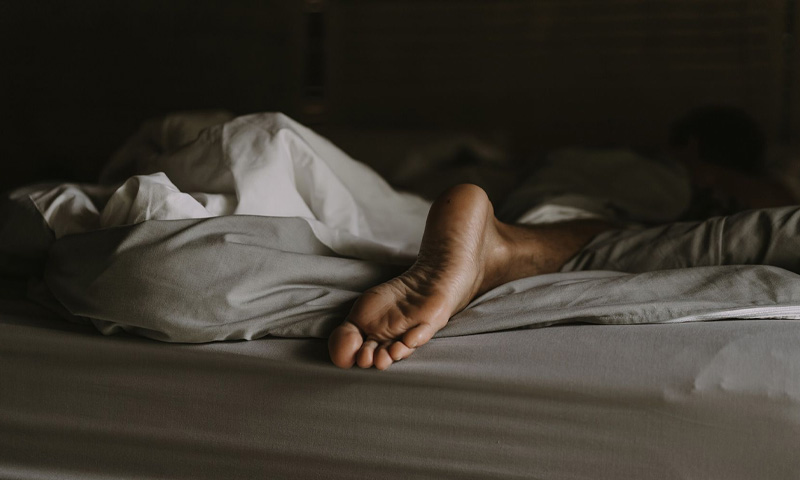
A recent study published in Sleep Health by Australian researchers explored how sexual activity, including both partnered sex and solo masturbation, influences sleep outcomes. While previous research has suggested that sexual behavior, particularly orgasm, has sleep-promoting effects, the study aimed to provide objective data on how sexual activity impacts both subjective and physiological sleep measures.
Groundbreaking Study Reveals Pain Pathways for TMJ Disorders
Sexual activity, including orgasm, is believed to influence sleep by reducing cortisol levels and releasing hormones like prolactin and oxytocin, which are known to have relaxing and soporific effects. Oxytocin, often referred to as the “love hormone,” is elevated after sexual intercourse and has been linked to improved sleep quality and a lower stress response. Prolactin, also increased after orgasm, is associated with sexual satisfaction and can further promote relaxation.
Study Design and Methodology
The study was conducted on heterosexual couples, aged 18 and above, who lived together and engaged in sexual activity at least once a week. A total of 14 participants (7 couples) were included, after screening out individuals with sleep disorders, pregnancy, or children. The participants underwent a series of sleep assessments using a DREEM3 headband, which records physiological sleep data for polysomnography.
The researchers employed a counter-balanced, repeated-measures, cross-over design. Participants were monitored across 11 nights with different conditions: partnered sex, solo masturbation, and no sexual activity (control condition). The participants were asked to record their sleep and sexual activity in diaries, and objective sleep measures were also obtained using the headband.
The study focused on analyzing how sexual activity influenced sleep efficiency, wakefulness after sleep onset (WASO), sleep latency, and the synchronization of sleep stages, also known as sleep stage concordance.
Key Findings of the Study
The study revealed several important findings about the relationship between sexual activity and sleep:
- Improved Sleep Efficiency: Participants had higher sleep efficiency when they engaged in partnered sex compared to the no-sex condition. Sleep efficiency refers to the proportion of time spent asleep versus awake during the night. Similarly, solo masturbation also led to higher sleep efficiency compared to the no-sex condition.
- Reduced Wakefulness: In both partnered sex and solo masturbation conditions, participants spent less time awake during the night compared to the no-sex condition. Participants in the no-sex condition experienced more wakefulness after sleep onset (WASO), which can disrupt sleep quality.
- Women Sleep Longer After Sexual Activity: Women, in particular, showed longer sleep durations and reduced wakefulness after engaging in partnered sex or solo masturbation. This suggests that sexual activity may have a stronger positive effect on sleep for women compared to men.
- Orgasm Intensity and Sleep Quality: The study also found that orgasm intensity was positively correlated with both subjective sleep quality and participants’ readiness for the next day. On a 100-point scale, the mean orgasm intensity was rated at 74, and higher orgasm intensity correlated with improved sleep and motivation levels.
- No Significant Impact on Total Sleep Time: Interestingly, while sexual activity improved sleep efficiency and reduced wakefulness, there were no significant differences observed in total sleep time, subjective sleep quality, or wake-up time across the different conditions.
- Effects on Sleep Stages: The study found that participants spent more time in stage 1 sleep (N1) when no sexual activity occurred compared to the solo masturbation condition. Additionally, participants sleeping together with or without sexual activity showed longer rapid eye movement (REM) sleep concordance, meaning their REM sleep was more synchronized when sleeping in the same bed, regardless of sexual activity.
