
Table of Contents
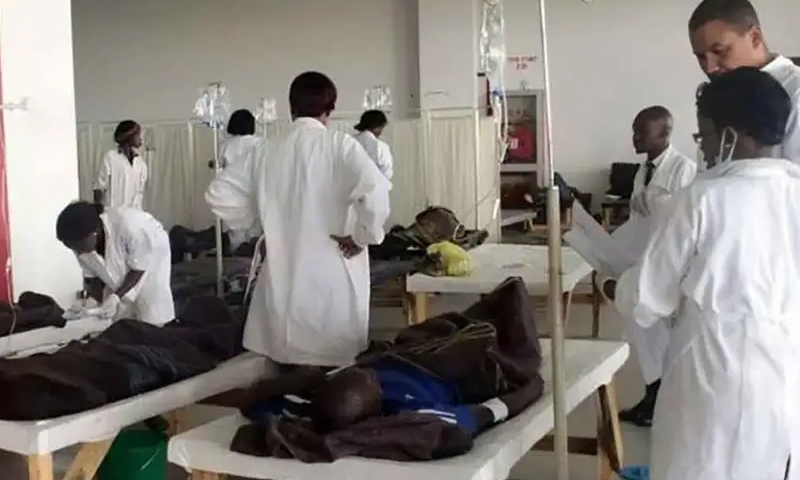
Angola’s cholera outbreak, which began in January, has now killed 329 people, according to a recent report from the World Health Organization (WHO). With over 8,500 cases recorded as of March 23, the disease is spreading rapidly across the country, and the WHO has warned that the risk of further transmission remains “very high” both within Angola and in neighboring areas.
Rapid Spread Across the Country
The cholera outbreak has affected 16 of Angola’s 21 provinces, causing alarm as the disease impacts people of all ages, particularly those under 20 years old. Despite Angola’s vast oil wealth, the country struggles with high poverty rates and poor sanitation, which are contributing factors to the spread of the disease.
The WHO, along with Angola’s Ministry of Health, is actively involved in efforts to curb the outbreak, including rapid case detection, the deployment of response teams, community engagement, and a vaccination campaign. However, the outbreak continues to evolve rapidly, fueled by the ongoing rainy season and cross-border movement between neighboring countries.
Risk of Further Transmission
The WHO has emphasized that the risk of further transmission in Angola and its neighboring regions remains “very high.” This concern extends to the surrounding countries, with Namibia, Angola’s southern neighbor, recording its first cholera case in nearly a decade earlier this month. A 55-year-old woman tested positive for the disease but has since recovered and was discharged from the hospital.
Cholera, caused by the bacterium Vibrio cholerae, is an acute intestinal infection spread through contaminated food and water, often as a result of fecal contamination. The disease causes severe diarrhea, vomiting, and muscle cramps, and if untreated, it can be fatal within hours.
WHO Proposes Major Budget Cuts Amid US Withdrawal and Funding Shortfalls
Global Increase in Cholera Cases
The cholera outbreak in Angola is part of a broader global trend. The WHO reported that, between January 1 and March 23 of this year, there were 93,172 cases of cholera and 1,197 deaths across 24 countries. A significant portion of the cases, approximately 60%, were in Africa.
Cholera is preventable and treatable through simple measures like oral rehydration and antibiotics for severe cases. However, poor sanitation and inadequate access to clean water remain major challenges in managing the disease, particularly in low-income areas.
Ongoing Efforts to Combat Cholera
The WHO continues to monitor the situation closely, supporting Angola’s health ministry and local partners in their response. Despite the challenges, there is hope that with continued intervention, the outbreak can be contained. However, experts are calling for greater investments in sanitation infrastructure to prevent future outbreaks and protect vulnerable populations from cholera’s deadly spread.
