
Table of Contents
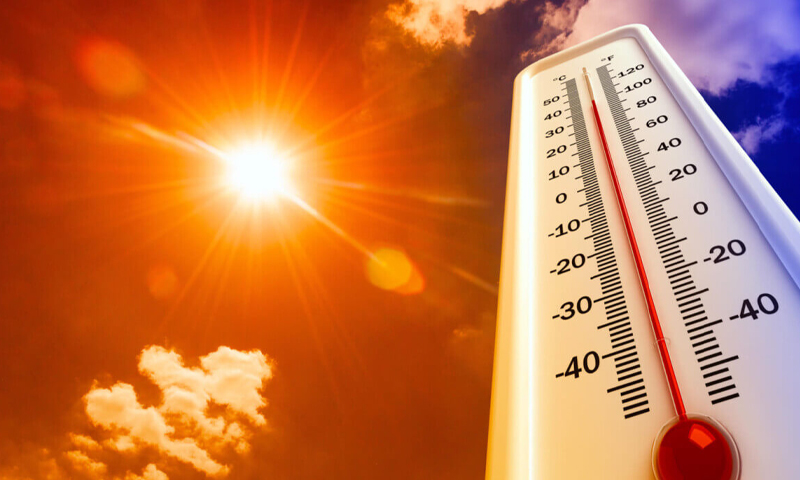
India is preparing for an unusually hot summer, with the Indian Meteorological Department (IMD) predicting that the country will experience higher-than-normal temperatures and more frequent heatwaves in the coming months. The IMD’s warning, issued on Monday, indicates that the summer months—spanning from April to June—are likely to see maximum temperatures soaring well above the long-term average, with the heatwave season intensifying.
India is no stranger to extreme summer heat. With temperatures often exceeding 45 degrees Celsius during the peak of the season, the summer months are traditionally tough for many regions. However, scientific studies have shown that the impact of climate change is exacerbating the intensity, frequency, and duration of heatwaves. As a result, India can expect more prolonged and extreme heat events that could affect large parts of the country.
Above-Normal Temperatures and Increased Heatwave Days
According to the IMD’s forecast, most parts of India are expected to experience “above-normal” maximum temperatures this summer, with the number of heatwave days likely to rise significantly. Heatwaves are defined as periods of excessively high temperatures, typically several degrees above the long-term average. The IMD has indicated that India could see up to 10 heatwave days or more, particularly in eastern regions.
This is a significant increase compared to the usual four to seven heatwave days India experiences between April and June. Mrutyunjay Mohapatra, the head of the IMD, noted that the added days of extreme heat will lead to increased heat stress across the country, making it critical for authorities and citizens to prepare for the adverse effects of prolonged high temperatures.
Vulnerable Populations at Risk
The impact of the rising temperatures is expected to be felt most acutely by vulnerable groups, including infants, the elderly, individuals with pre-existing health conditions, and outdoor workers. Heat stress can lead to a range of health problems, including dizziness, headaches, dehydration, organ failure, and in extreme cases, death. The elderly and young children, whose bodies are less able to regulate temperature, are particularly susceptible to the dangers posed by excessive heat.
Additionally, those working outdoors, such as laborers, farmers, and construction workers, are at increased risk. The combination of high temperatures and intense humidity can quickly lead to heat exhaustion, and prolonged exposure can be fatal if not managed properly.
City dwellers, especially those in urban areas surrounded by concrete, brick, and other heat-absorbing materials, also face elevated risks. Urban heat islands—areas where buildings, roads, and other human-made surfaces trap heat—can amplify the effect of the heatwave, leading to temperatures that are significantly higher than those in rural areas.
The Broader Impact on Infrastructure and Livelihoods
The rising temperatures and frequent heatwaves will not only affect public health but could also strain the country’s infrastructure. Power grids and transportation systems, which are already under pressure during the summer months, could face significant challenges as demand for electricity rises due to air conditioning and cooling systems. The heat could also disrupt transportation networks, especially in areas where high temperatures lead to rail tracks and road surfaces becoming warped or damaged.
PM Modi Visits RSS Headquarters in Nagpur
The agricultural sector is also likely to face serious repercussions. Prolonged heat can reduce crop yields, leading to lower productivity and economic losses for farmers. Water resources, which are already scarce in some regions, will be further strained as the demand for irrigation rises, exacerbating the challenges of water management during the summer months.
Steps to Mitigate Heatwave Impacts
In response to the increasing frequency of heatwaves, the IMD has called for the implementation of heat action plans. These plans are designed to mitigate the impact of extreme temperatures on public health and infrastructure. They include measures such as the establishment of cooling centers for those in need, particularly in high-risk urban areas, and the issuance of heat advisories to help people take necessary precautions during extreme weather events.
Another key recommendation is to address the urban heat island effect, which significantly raises temperatures in cities. Solutions such as increasing green spaces, planting trees, and installing reflective surfaces to reduce heat absorption can help cool down urban areas and provide relief to residents during heatwaves.
The Global Health Perspective
The global impact of rising temperatures is stark. According to the World Health Organization (WHO), heat is responsible for killing at least half a million people every year, with the actual number potentially being much higher. Heatwaves not only cause direct harm but can also exacerbate pre-existing health conditions, such as cardiovascular and respiratory diseases, leading to a higher number of fatalities.
As heatwaves become more frequent and intense, it is crucial for both governments and individuals to take proactive steps in preparation. This includes increasing public awareness about the risks of heat and promoting strategies for staying cool, hydrated, and safe during the hottest months of the year.
