
Table of Contents
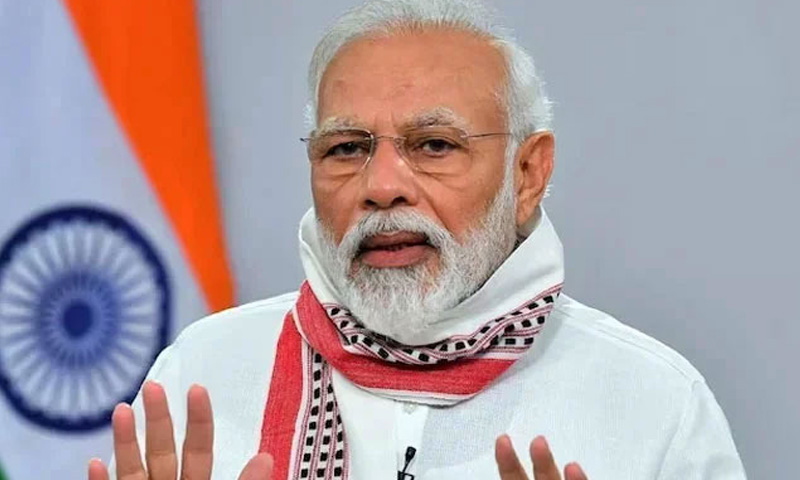
On Sunday, Indian Prime Minister Narendra Modi visited the Rashtriya Swayamsevak Sangh (RSS) headquarters in Nagpur, Maharashtra. This visit has generated considerable attention due to the controversial nature of the RSS, a Hindu supremacist organization with a history of involvement in violence against minorities, as reported by several Indian media outlets, including the Hindustan Times. The RSS, considered the ideological mentor of Modi’s Bharatiya Janata Party (BJP), has long advocated for India to be declared a Hindu nation, contrary to the secular ideals embedded in the country’s constitution.
Paying Tributes to RSS Founders
During his visit, PM Modi paid his respects at the Dr. Hedgewar Smruti Mandir, a memorial dedicated to RSS founder Keshav Baliram Hedgewar. He also visited another memorial dedicated to the organization’s second leader, MS Golwalkar, who is often remembered for his radical views on Hindu nationalism. Both of these leaders are revered figures within the RSS and its extensive network of supporters.
Modi’s visit to the headquarters coincided with the Sangh’s Pratipada program, a significant event that marks the start of the Hindu New Year, Gudi Padwa. This association with a key religious celebration underscores the connection between the RSS and the BJP, which shares ideological ties with the organization, particularly on matters of nationalism and cultural identity.
Controversial Background of the RSS
The RSS, founded in 1925, has long been associated with Hindu supremacist ideology. While the organization claims to advocate for the protection and promotion of Hindu culture, its methods and actions have often been at the center of controversy. The RSS has been linked to various instances of violence against minorities, particularly Muslims and Christians, in India, further complicating its relationship with the broader population.
Trump Threatens Iran with Bombings and Secondary Tariffs Over Nuclear Deal
The organization’s ultimate goal, as articulated by several of its leaders, is for India to embrace its Hindu identity, a vision that many critics argue undermines the country’s secular fabric. This agenda, especially under the leadership of figures like Golwalkar, has led to significant debate about the future of religious diversity and secularism in India.
Modi’s Connection to RSS
Prime Minister Modi, a former RSS pracharak (campaigner), has maintained a close relationship with the organization throughout his political career. His association with the RSS is a key element of his political identity and has been central to his rise within the BJP. The ideological influence of the RSS on Modi and his government is seen in several of his policies, especially those related to Hindu religious rights, nationalism, and social issues.
Despite the polarizing nature of the RSS, PM Modi’s visit to its headquarters is not unprecedented. Business Standard quoted RSS leader Sunil Ambekar, who reminded the public that former Prime Minister Atal Bihari Vajpayee, also from the BJP, had visited the RSS headquarters during his tenure. This historical precedent aims to normalize the relationship between the RSS and the Indian government, signaling that such visits are not out of the ordinary for a sitting prime minister.
The Significance of Modi’s Visit
While Modi’s visit is seen as an expression of respect for the RSS and its leaders, it has also fueled ongoing debates about the role of the RSS in India’s political landscape. Critics argue that such visits undermine the secular foundations of India, potentially alienating minority communities and threatening the country’s pluralistic identity. Others view the visit as a reaffirmation of Modi’s political and ideological alignment with the RSS and its vision for a Hindu-centric India.
