
Table of Contents
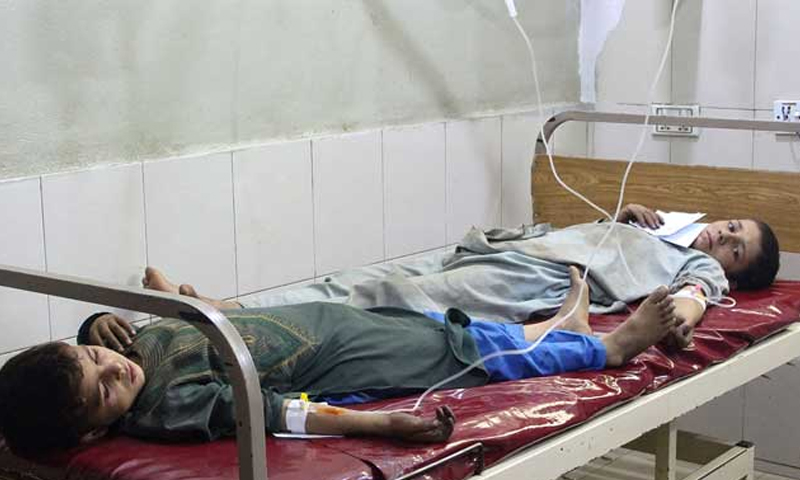
One of Afghanistan’s worst earthquakes in recent years has claimed the lives of more than 800 people and left at least 2,800 injured, according to officials on Monday. The devastating quake struck around midnight local time, registering a magnitude of 6 at a depth of 10 kilometers (6 miles), and caused widespread destruction across the eastern provinces of Kunar and Nangarhar.
The tremor flattened mudbrick homes, razed villages, and left thousands displaced. Rescue operations have been hampered by Afghanistan’s rugged mountainous terrain and inclement weather, leaving many areas inaccessible.
Taliban Government Calls for International Aid
The disaster comes at a time when Afghanistan, already reeling under economic challenges and dwindling international aid, is struggling to cope with multiple crises. The Taliban administration, which has faced reduced foreign funding since its return to power in 2021, has now appealed for global humanitarian assistance.
“We need it because here lots of people lost their lives and houses,” said Sharafat Zaman, spokesperson for the health ministry in Kabul, as he called on the international community to step in.
Administration spokesperson Zabihullah Mujahid confirmed that at least 812 people were killed in the provinces of Kunar and Nangarhar.
Survivors Describe the Horror
Many survivors recounted the terrifying moments when the quake struck. Ziaul Haq Mohammadi, a student in Jalalabad, said he was studying at home when the tremor shook his room violently.
“I tried to stand up but was knocked over by the power of the tremor. We spent the whole night in fear and anxiety because at any moment another earthquake could happen,” Mohammadi said.
Rescue Efforts Face Severe Challenges
Reaching affected areas has proven to be extremely difficult for rescue teams. Many remote regions remain cut off from mobile networks and transport routes, leaving survivors without communication or aid.
“The area of the earthquake was affected by heavy rain in the last 24-48 hours, so the risk of landslides and rock slides is also quite significant — that is why many of the roads are impassable,” explained Kate Carey, an officer with the UN Office for the Coordination of Humanitarian Affairs (UNOCHA).
Authorities are also racing against time to clear animal carcasses from the debris to prevent contamination of water resources, which could worsen the humanitarian crisis.
Villages Razed to the Ground
The scale of destruction is immense. According to officials, the quake razed three villages completely in Kunar province, while dozens of others suffered severe structural damage. At least 610 people were killed in Kunar alone, with 12 confirmed dead in Nangarhar.
Military rescue teams have been dispatched, with the defense ministry confirming that 40 flights carried away over 420 wounded and dead from the quake-hit areas. Helicopters and ambulances have been seen ferrying victims to hospitals, while locals continue to assist security forces in transporting the injured.
“All our teams have been mobilized to accelerate assistance, so that comprehensive and full support can be provided,” said health ministry spokesperson Abdul Maten Qanee.
Afghanistan’s Long Struggle With Natural Disasters
This earthquake marks the third major deadly quake to hit Afghanistan since the Taliban takeover in 2021. In 2022, a 6.1-magnitude quake in the east killed more than 1,000 people. Another powerful tremor struck Herat in 2023, leaving many villages still living in temporary shelters nearly two years later.
Rawalpindi: Two children die of suffocation in locked car
Experts warn that Afghanistan is particularly vulnerable to earthquakes due to its location in the Hindu Kush mountain range, where the Indian and Eurasian tectonic plates meet. Buildings in rural areas, often constructed with mud and weak materials, are especially prone to collapse.
“Quakes in Afghanistan tend to be so deadly because of building construction that is often vulnerable to shaking, and the number of people living in the Hindu Kush,” explained Richard Walker, professor of tectonics at the University of Oxford.
Shrinking Humanitarian Support
The disaster comes amid shrinking international aid. Afghanistan received $3.8 billion in 2022, but humanitarian funding has dropped to $767 million in 2025, according to aid officials. Cuts have been driven by global crises elsewhere and donor frustration with Taliban policies, especially restrictions on women, including female aid workers.
Humanitarian agencies now fear that without urgent international intervention, survivors of this quake will face severe shortages of food, shelter, and medical assistance in the coming weeks.
