
Table of Contents
In response to the first reported human death from avian flu in the United States, the World Health Organization (WHO) has emphasized that the risk to the wider population remains low. The announcement comes just one day after a man in Louisiana passed away from the H5N1 strain of the virus, marking the first death linked to the current avian influenza outbreak in the U.S.
First U.S. Death from Avian Flu
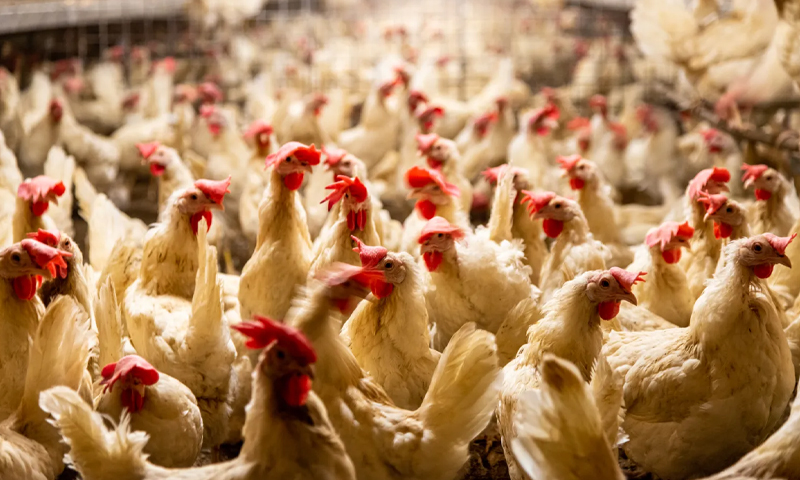
According to Dr. Margaret Harris, WHO’s spokesperson, the individual who died was over 65 and had underlying health conditions. The man had been exposed to chickens and wild birds, which are known to be primary sources of the H5N1 virus that causes avian flu.
Dr. Harris clarified that while several dozen individuals in the U.S. have contracted the virus during this ongoing outbreak, the majority of cases have been reported in farmworkers and others who have close contact with poultry and dairy cattle. Human-to-human transmission remains rare, and the virus is generally not circulating among humans, but rather jumping from infected animals to people. WHO continues to monitor the situation closely but stresses that the risk to the general population is still low.
WHO Assessment: Risk to Public Remains Low
In her briefing, Dr. Harris explained that the H5N1 virus has not yet shown evidence of sustained human-to-human transmission. This is a crucial point in determining the level of threat posed by the virus, as sustained human-to-human spread would be a key factor in turning a localized outbreak into a global pandemic. Dr. Harris stated, “We’re not seeing sustained circulation,” noting that most of the infections reported are in people who are in direct contact with infected poultry, which poses the highest risk.
The main concern, she said, remains for people working in the poultry industry and other animal industries where exposure to the virus is more likely. She also reassured the public that health authorities in the U.S. were conducting extensive surveillance among both human and animal populations to keep track of the outbreak and ensure quick responses if necessary.
Human Metapneumovirus (hMPV) in China: No New Threat
Alongside the ongoing concerns regarding avian flu, another respiratory virus is gaining attention in China — the human metapneumovirus (hMPV). While the virus has made headlines due to its increased prevalence in recent weeks, Dr. Harris assured that it does not pose a major threat to global public health.
hMPV was first identified in 2001, and it has been circulating in the human population for years. It is a common winter virus, particularly active during the colder months when respiratory infections tend to rise. While it can cause respiratory symptoms similar to the common cold, hMPV can also lead to more serious complications in vulnerable individuals, such as newborns, the elderly, and those with low immunity. However, Dr. Harris pointed out that the virus’s mortality rate is very low and that it does not normally lead to deaths, even though it can occasionally cause more severe disease in vulnerable populations.
China’s Seasonal Infections: Under Control
Dr. Harris also reassured the public about the general levels of respiratory infections in China, noting that the current uptick in cases is consistent with the seasonal rise in such illnesses. According to the Chinese Center for Disease Control and Prevention (CDC), seasonal influenza remains the most common infection in China at this time, and the country is reporting typical levels of respiratory infections for this time of year. She added that hospital utilization remains lower than last year, and there have been no emergency declarations or additional measures triggered by the uptick in cases.
Precautionary Measures for Both Viruses
While WHO reassured that the avian flu poses a low risk to the general public, especially those not involved in poultry farming or animal industries, the organization also recommended simple preventive measures for both avian flu and hMPV to reduce the risk of infection. These include:
- Wearing masks in crowded or poorly ventilated spaces
- Hand hygiene, such as frequent handwashing
- Improving ventilation in closed spaces to reduce the spread of respiratory droplets
For hMPV, the seasonal virus circulating in China, the advice remains similar, with Dr. Harris emphasizing that simple precautions like maintaining good hygiene and staying away from crowded areas can help reduce the spread of the virus.
