
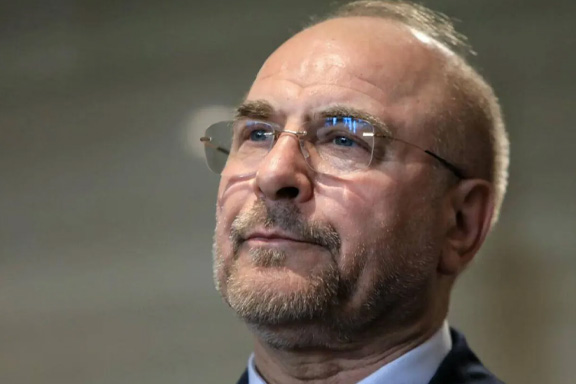
TEHRAN/ISLAMABAD: Iran’s Parliament Speaker Mohammad Bagher Ghalibaf will head Tehran’s delegation in upcoming negotiations with the United States following the signing of a memorandum of understanding (MoU) in Geneva, Iranian Deputy Foreign Minister Majid Takht-Ravanchi said on Tuesday.
Pakistan’s role as a key mediator in efforts to end months of conflict between the United States and Iran is set to continue as formal negotiations between Tehran and Washington are expected to begin following the signing of the MoU in Geneva later this week. According to Al-Jazeera, the signing of the agreement would pave the way for a new phase of direct engagement between the two countries, with discussions set to begin shortly thereafter.
Addressing the National Assembly session on Monday, Prime Minister Shehbaz Sharif credited Field Marshal Asim Munir with helping steer the process through critical moments, saying he remained engaged around the clock to prevent the talks from collapsing. The prime minister described the understanding as the outcome of intensive diplomacy conducted under difficult circumstances and warned that the prospect of peace could have been lost had the negotiations stalled.
He also praised Deputy Prime Minister and Foreign Minister Ishaq Dar, Interior Minister Mohsin Naqvi and their teams for their contributions, while acknowledging the support of Qatar, Saudi Arabia, Turkiye and China.
The agreement, announced on Monday, calls for an immediate cessation of hostilities and is expected to be formally signed in Geneva, where Pakistan remains at the centre of diplomatic efforts to facilitate the next phase of US-Iran engagement.
The appointment of Ghalibaf, a former mayor of Tehran and a prominent conservative figure, signals Iran’s intent to send a high-level political representative to the negotiating table. Ghalibaf has previously served as the commander of the Islamic Revolutionary Guard Corps’ air force and has been a key figure in Iranian politics. His selection is seen as a move to ensure that the negotiations carry the full weight of Iran’s political establishment.
The Geneva talks are expected to focus on implementing the 14-point MoU, including Iran’s nuclear programme, sanctions relief, and regional security arrangements. The 60-day negotiation period will determine whether the preliminary framework can be transformed into a lasting peace agreement.
Pakistan’s continued mediation role underscores its unique position as a trusted interlocutor for both Washington and Tehran. Islamabad’s diplomatic efforts have been widely praised by regional and international stakeholders. The support of Qatar, Saudi Arabia, Turkiye, and China has also been instrumental in facilitating the breakthrough. The international community now looks to Geneva for the next chapter in this historic diplomatic effort. The coming weeks will test the commitment of all parties to turn the framework into a durable peace. The world watches with cautious optimism as the region takes a tentative step toward stability. The path ahead is uncertain, but the foundation has been laid for a new era of engagement between Iran and the United States. Pakistan’s role in this process will be remembered as a defining moment in its diplomatic history. The Geneva negotiations will be closely monitored by global powers, with the hope that they will lead to a comprehensive settlement. The people of Iran, the United States, and the broader Middle East region yearn for an end to conflict and the beginning of a peaceful future. The negotiators carry a heavy burden, but the opportunity for lasting peace is within reach. The world urges them to seize it.
