
Table of Contents
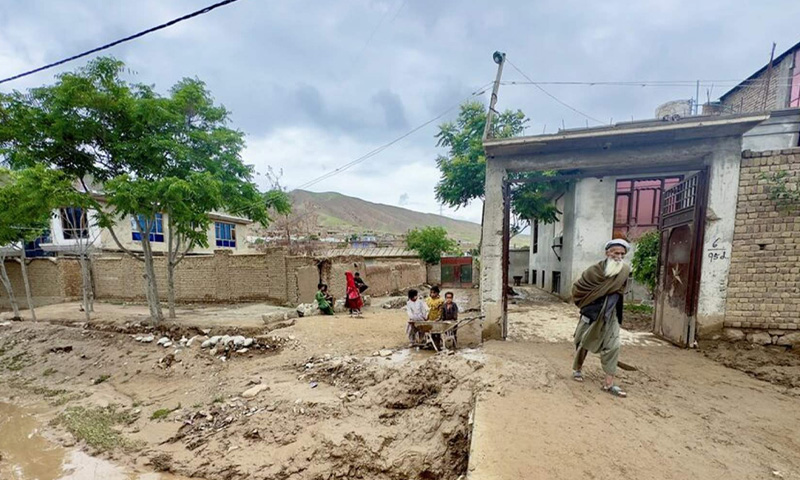
Afghanistan has been struck by devastating weather events, with hailstorms and heavy rain causing flash floods that resulted in the deaths of 29 people across two provinces, officials reported on Tuesday. The severe weather underscores the country’s vulnerability to climate change, which is contributing to increasing extreme weather patterns.
Fatal Hailstorm in Farah Province
In western Farah province, a powerful hailstorm claimed the lives of 21 individuals and left six others injured. Mohammad Israel Sayar, the head of the province’s Disaster Management Department, confirmed that the victims were members of two families who had been enjoying a picnic. Tragically, the hailstorm struck unexpectedly, and the families were caught in the destructive storm. Sayar expressed his condolences and said that efforts were underway to provide assistance to the injured and affected families.
Flash Floods in Kandahar
In southern Kandahar, the situation was equally dire, as the local disaster management department reported the deaths of eight people, including women and children, caused by the heavy rains that led to flash floods. The rains swept away several individuals, with the local department detailing the tragic fate of four women who were washing clothes at the time. The flash floods overwhelmed them, and only one of the women survived the ordeal.
Additionally, a child drowned in the floodwaters, and in another tragic incident, a family’s roof collapsed due to the intense rainfall. The collapse killed one woman and three children, exacerbating the toll in the region. The people of Kandahar, particularly in rural areas, are grappling with the consequences of these extreme weather events, which have become more frequent in recent years.
Afghanistan’s Climate Change Vulnerability
Afghanistan, one of the world’s poorest countries, is particularly vulnerable to the impacts of climate change, which scientists say is driving these increasingly severe weather events. After decades of war and political instability, the country’s infrastructure and resilience to natural disasters remain weak. The combination of environmental challenges, poverty, and insufficient disaster management infrastructure makes it extremely difficult for many Afghan families to cope with these increasingly common and severe climate events.
UN Security Council Adopts US-Drafted Resolution on Ukraine War’s Third Anniversary
Afghanistan is ranked as the sixth most vulnerable country to climate change, according to global indices. This makes it highly susceptible to climate-related disasters, including droughts, floods, land degradation, and a decline in agricultural productivity. Stephen Rodriques, the UN Development Programme (UNDP) representative in Afghanistan, highlighted in 2023 that these environmental threats were among the country’s most pressing concerns.
The Growing Humanitarian Crisis in Afghanistan
The destructive flash floods in May of the previous year had already devastated large parts of Afghanistan, killing hundreds and flooding vast agricultural areas. These floods were particularly catastrophic for the farming-dependent population, with 80% of the Afghan population relying on agriculture for their livelihood. The destruction of crops and farmland further compounds the humanitarian crisis, leaving many communities in desperate need of aid and support.
As the frequency of such extreme weather events increases, the already fragile Afghan population faces growing challenges in adapting to these new realities. The increasing vulnerability of the country to floods, droughts, and other climate-related phenomena poses a major challenge for the Afghan government, humanitarian organizations, and international bodies working to provide assistance.
The Path Forward: Responding to Afghanistan’s Climate Challenges
The recent weather-related tragedies in Farah and Kandahar have once again brought attention to Afghanistan’s urgent need for comprehensive climate adaptation strategies. This includes improving disaster preparedness, strengthening infrastructure to withstand floods, and investing in agricultural techniques that are more resilient to changing climate conditions.
International aid agencies and governments must continue to work together to provide emergency relief, as well as longer-term solutions to address the impacts of climate change. Addressing the root causes of vulnerability—poverty, instability, and inadequate infrastructure—is key to building a more resilient Afghanistan in the face of these escalating challenges.
The recent loss of life in Farah and Kandahar is a sobering reminder of the need for urgent action to mitigate the impacts of climate change on vulnerable populations. The world must not only respond to the immediate humanitarian needs but also support Afghanistan in its efforts to adapt to the changing climate that threatens to worsen the country’s struggles.
