
Table of Contents
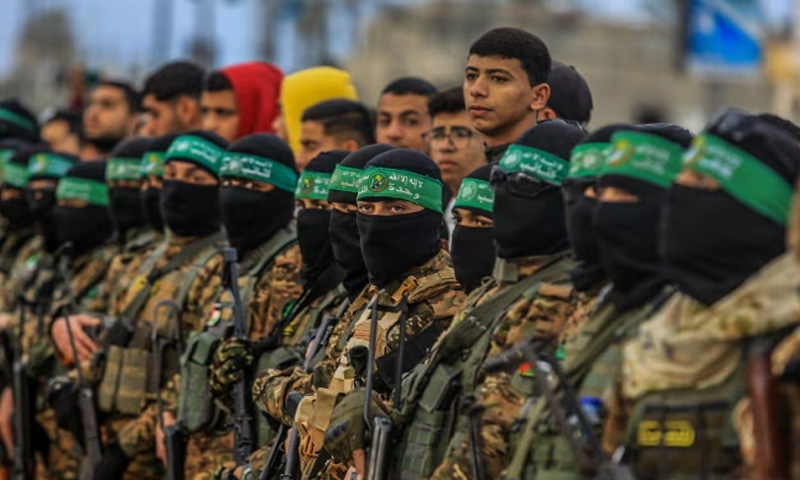
On Monday, Palestinian militant group Hamas announced it would halt the release of Israeli hostages until further notice. The group stated that the suspension was due to violations by Israel of the ceasefire agreement, which had been in place since January 19. According to Abu Ubaida, a spokesperson for Hamas’ military wing, Israel had delayed allowing displaced Palestinians to return to northern Gaza, continued shelling Gazans, and hindered the entry of humanitarian aid into the region. Hamas said it would not resume the exchange of hostages until Israel “complies and compensates for the past weeks,” signaling that the delicate ceasefire agreement brokered between Israel and Hamas was at risk of falling apart.
The ceasefire had largely held up over the past three weeks, though there have been sporadic incidents, including Palestinians being killed by Israeli gunfire. The flow of humanitarian aid into Gaza had increased, but the situation remains tense, with both sides blaming each other for undermining the fragile truce. The announcement of the hostage release halt came just days before a scheduled exchange was supposed to take place.
Israel’s Response: Accusations and Heightened Military Readiness
Israel quickly responded to Hamas’ announcement, with Defence Minister Israel Katz accusing the militant group of violating the ceasefire terms. Katz stressed that Israeli forces would be on the highest level of readiness, particularly in Gaza, and would continue to defend Israeli communities. He noted that Israel had fulfilled its obligations under the agreement by releasing hundreds of Palestinian prisoners, but that Hamas had failed to respect the terms of the deal, including the order in which hostages were to be released.
Israel had previously accused Hamas of orchestrating public displays when hostages were released, with some of these events involving large crowds. In addition, Israeli officials said Hamas had not followed the agreed-upon schedule for the release of hostages. The disagreement over the terms and conditions of the ceasefire has caused increasing tensions, leaving little room for optimism regarding the success of the multi-phase process.
Hamas’ Grievances: Humanitarian Aid and Delayed Palestinian Return
One of Hamas’ core grievances centers on the humanitarian aid situation in Gaza. Ubaida stated that since the ceasefire came into effect, Israel had been hindering the entry of vital aid into the region, which is one of the agreed-upon conditions of the first phase of the ceasefire. Israel has rejected these claims, saying that humanitarian aid was flowing into Gaza and that it had fulfilled its obligations.
The delay in allowing displaced Palestinians to return to northern Gaza also raised concerns among the group. Ubaida referred to these actions as violations of the agreement and warned that Hamas would not release any more hostages until Israel addressed these issues. The first phase of the ceasefire had seen the release of 16 of the 33 hostages who were initially included in the deal, with five additional Thai hostages returned in an unscheduled release. In exchange, Israel had released hundreds of Palestinian prisoners, ranging from those serving life sentences for deadly attacks to individuals detained without charge.
US Involvement and Regional Tensions: Trump’s Controversial Comments
In the background of these tensions, U.S. President Donald Trump made controversial statements about the future of Gaza. During a recent interview, Trump suggested that Palestinians could be moved out of Gaza and relocated to other countries, including Egypt and Jordan, in exchange for creating a large waterfront real estate project under U.S. control. Trump’s comments have generated significant controversy, particularly regarding the fate of the Palestinian people.
Israeli Prime Minister Benjamin Netanyahu expressed support for Trump’s statements upon returning from a visit to Washington, further igniting tensions in the region. Egypt, which had been involved in ceasefire discussions, was particularly irked by the suggestion. According to security sources, Israel’s continued aerial surveillance and delays in troop withdrawal were hindering the progress of the ceasefire talks, adding another layer of complexity to the already fragile process.
The Stalled Ceasefire Talks: Growing Mistrust and Lack of Progress
The second phase of the ceasefire talks, which was intended to build on the first stage by facilitating the release of the remaining hostages and achieving a full Israeli troop withdrawal, has shown little sign of serious progress. A Palestinian official close to the discussions indicated that mistrust between the two sides was a major factor in the lack of movement. Both Hamas and Israel have accused each other of failing to uphold the terms of the agreement, especially concerning the humanitarian provisions and the return of displaced Palestinians.
Hamas’ suspension of the hostage releases has added further pressure to the already precarious negotiations. With both sides continuing to make accusations and with little cooperation, the hopes for a successful conclusion to the ceasefire appear to be diminishing. This situation has sparked widespread concern, particularly in light of the worsening humanitarian crisis in Gaza.
Impact of Hostage Releases and Public Opinion in Israel
Israeli public opinion has been affected by the recent hostage releases, especially after the emaciated appearance of the three Israeli hostages—Ohad Ben Ami, Eli Sharabi, and Or Levy—who were freed on Saturday. The sight of these hostages in such poor condition has raised alarm in Israel and complicated the progress of the deal. While some had hoped the hostage exchange would bring a sense of closure, the release of these individuals has instead intensified the debate over the handling of the ceasefire agreement and the broader Israeli-Palestinian conflict.
The halted hostage releases are another sign that the situation remains volatile, and with both sides accusing each other of breaches, the path to a lasting resolution seems increasingly uncertain.
