
Table of Contents
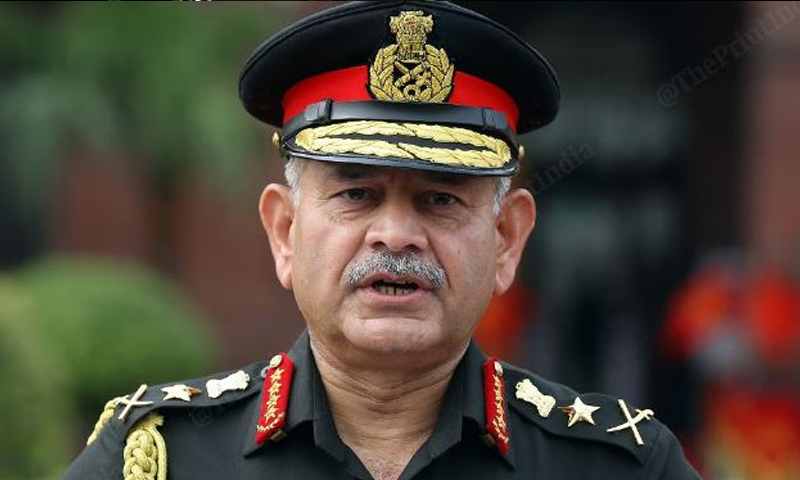
India’s army chief, General Upendra Dwivedi, stated on Monday that the country is not planning to reduce its troop numbers along its northern frontier during the winter months. He also mentioned that decisions regarding summer troop deployments would be based on the outcome of ongoing negotiations with China. The statement comes amid heightened tensions between the two countries, particularly along their disputed border in the Himalayan region.
Continued Military Presence Amid Tensions
The India-China border, a region long marred by disputes and occasional clashes, saw deadly encounters in June 2020, resulting in 20 Indian soldiers and four Chinese soldiers being killed in a violent confrontation. In the wake of these clashes, both India and China decided to halt patrolling at several points along the Ladakh border to reduce the risk of further confrontations. At the same time, both nations moved tens of thousands of troops and large amounts of military equipment to the high-altitude area to bolster their defense capabilities.
Despite the withdrawal of some troops in recent months following diplomatic talks, India has maintained a strong military presence along the northern frontier. General Dwivedi’s comments reinforce this strategy, indicating that the country’s winter deployment will remain at its current levels.
Winter Deployment Strategy and Future Reviews
“During winter deployment, the number of troops comes down,” General Dwivedi said during his briefing in New Delhi. “Therefore, at least in the winter strategy, we are not looking forward to any reduction of troops.” He further elaborated that the number of soldiers stationed during winter typically decreases as part of the regular strategy for maintaining operations in the extreme conditions of the Himalayan region.
While the winter deployment remains unchanged, the Indian army chief emphasized that summer troop levels would be evaluated based on the outcome of talks between India and China. “When it comes to the summer strategy, we’ll take a review based on that time, how many negotiations and meetings have taken place,” Dwivedi explained.
Long-Standing Border Disputes
India and China share a long, poorly demarcated border stretching across the rugged Himalayas. This region has been a source of tension for decades, culminating in the 1962 Sino-Indian War. Although diplomatic relations and agreements between the two countries have allowed for periods of relative stability, the 2020 clashes revived longstanding hostilities. The situation had remained precarious for years before a breakthrough agreement in October 2022 saw both countries agree to de-escalate the standoff, with troops pulling back from disputed regions.
Despite this progress, border tensions remain, with both sides carefully monitoring the situation and preparing for any potential flare-ups. The clash of 2020, which disrupted trade and diplomatic relations, was a stark reminder of the volatility of the border dispute.
Future Outlook
The key factor in the ongoing military strategy is the evolving diplomatic relationship between India and China. Although military tensions persist, both sides have expressed a desire for peaceful negotiations to manage their differences. The outcome of these talks will likely determine the future course of troop deployments and military readiness along the northern frontier.
As India continues to navigate the complexities of its relationship with China, the decisions made in the coming months, particularly during the summer, will play a significant role in shaping the geopolitical landscape of the region.
