
Table of Contents
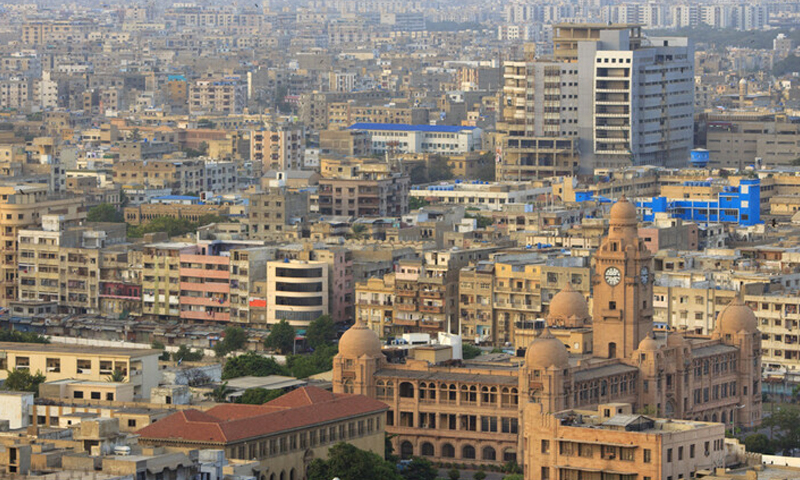
In a sobering reflection of persistent urban challenges, Karachi has once again ranked among the least livable cities in the world, placing 170th out of 173 cities in the 2025 Global Liveability Index released by the Economist Intelligence Unit (EIU). The city’s ranking underscores long-standing issues in infrastructure, public services, safety, and environmental management, placing it just three positions above Lagos, Nigeria, which remains the least livable city globally.
How the EIU Ranks Cities
The EIU’s Global Liveability Index evaluates cities around the world using over 30 qualitative and quantitative indicators divided into five major categories:
- Stability
- Healthcare
- Culture and Environment
- Education
- Infrastructure
Each category is rated on a scale ranging from “acceptable” to “intolerable”, aiming to reflect the conditions that residents might face in everyday life — from access to quality healthcare and schools to safety and environmental quality.
Karachi’s poor performance in several of these areas has led to its consistently low placement in the rankings over the years.
Persistent Urban Challenges in Karachi
Karachi, Pakistan’s largest city and economic hub, is home to over 20 million people. However, rapid and unplanned urbanization over the past few decades has contributed to severe infrastructure deficits, including:
- Traffic congestion and poor public transport
- Deteriorating roads and sewage systems
- Frequent water shortages
- Inadequate healthcare facilities
- Waste management failures
- High crime rates in certain areas
The city also suffers from environmental degradation, including air and water pollution, and the urban heat island effect, further reducing its liveability.
Global Contrast: Vienna Retains Top Spot
While Karachi languishes near the bottom of the list, Vienna, Austria, has once again been named the most livable city in the world, securing the top spot for the seventh consecutive year. Vienna is praised for its world-class healthcare system, robust infrastructure, clean environment, and rich cultural offerings.
Other top-ranked cities in the 2025 index include:
- Copenhagen, Denmark
- Zurich, Switzerland
- Melbourne, Australia
- Calgary, Canada
These cities are characterized by strong public institutions, social stability, and high standards of living.
Regional Trends: South Asia’s Urban Struggles
Karachi’s low ranking is part of a broader trend across South Asia, where several cities struggle with similar issues of overcrowding, pollution, and inadequate urban planning. These cities often lack the institutional frameworks and investment necessary to address rapid urban growth and rising social needs.
Punjab Budget 2025–26: Minimum Wage Raised, Salaries and Pensions Increased
While there have been attempts at infrastructure reform and service delivery improvements, many of these efforts remain fragmented or underfunded. Moreover, governance conflicts between provincial and municipal authorities in Karachi have often stalled critical projects, further exacerbating public dissatisfaction.
What Can Be Done to Improve Karachi’s Liveability?
Urban planners, economists, and civil society organizations agree that transformative change in Karachi requires:
- Integrated urban planning with a long-term vision
- Investment in public transport, particularly green and affordable options
- Revamping water, sanitation, and waste management systems
- Enhancing public healthcare and education infrastructure
- Improving law enforcement and disaster preparedness
- Promoting green spaces and environmental sustainability
There is also a call for stronger local governance that empowers municipal bodies to take independent decisions and allocate resources efficiently, free from political interference.
A Wake-Up Call for Policymakers
Karachi’s 2025 EIU ranking should serve as a wake-up call for local, provincial, and federal authorities. While the city remains an economic engine for Pakistan, generating a significant share of national revenue, its crumbling infrastructure and declining quality of life threaten its long-term viability.
Without bold and coordinated action, the city risks further deterioration in both global perception and actual livability for its residents.
