
Table of Contents
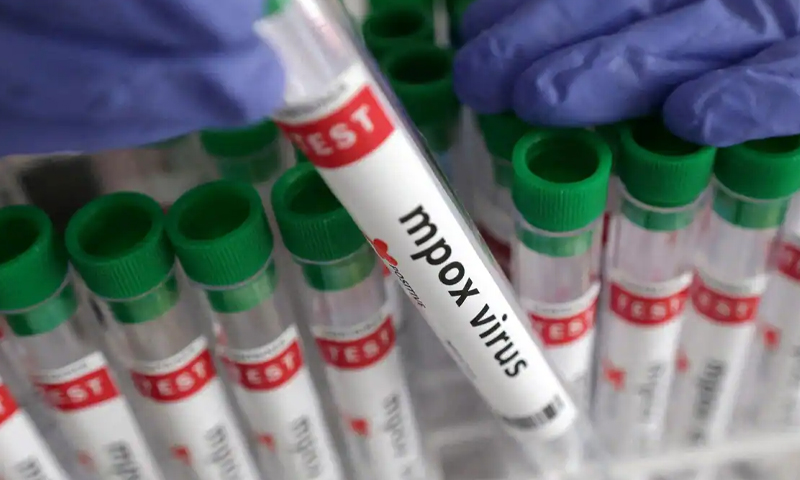
On Thursday, China’s Centre for Disease Control and Prevention (CDC) confirmed the detection of the clade Ib strain of mpox. This new variant was traced back to an initial case involving a foreigner who had a history of travel and residence in the Democratic Republic of the Congo (DRC). Following this first infection, four additional cases were reported in individuals who had close contact with the foreign traveler.
While the symptoms of the affected individuals have been described as mild, they include typical mpox manifestations such as skin rash and blisters. This marks the first detection of the clade Ib variant in China, adding to the global concern about the spread of mpox and its evolving nature.
Mpox: Transmission and Symptoms
Mpox is a viral infection that is primarily spread through close contact, including sexual interactions. The symptoms are often flu-like and can include fever, headache, muscle aches, and the formation of pus-filled lesions on the body. In most cases, the infection is mild and resolves on its own. However, in rare instances, mpox can be fatal, making it a virus of particular concern for public health.
The clade Ib variant of mpox, which has recently emerged, is believed to be more contagious than earlier strains. While the clade I strain, which has been endemic in parts of Africa for years, typically spreads in more isolated outbreaks, the Ib subclade appears to transmit more easily, especially through routine close contact such as sexual activity.
Mpox Outbreaks Trigger Global Concern
Last year, the World Health Organization (WHO) declared mpox a global public health emergency for the second time in two years. The virus had first sparked significant concern after an outbreak in the Democratic Republic of the Congo (DRC). This outbreak quickly spread to neighbouring countries such as Burundi, Kenya, Rwanda, and Uganda, and later expanded beyond Africa to other parts of the world.
The WHO’s emergency declaration highlighted the rapid spread of mpox across multiple countries, with the clade Ib variant playing a key role in this wider dissemination. As of now, the virus has been detected in numerous regions, including Europe, North America, and Asia.
China’s Response: Monitoring and Precautionary Measures
In light of the new detection of mpox in China, the country’s National Health Commission (NHC) has stated that it will continue to closely monitor people and goods entering the country for possible signs of the virus. As a preventive measure, China has already implemented policies to monitor international travelers and goods, particularly those coming from regions where mpox has been reported.
Furthermore, China has classified mpox as a Category B infectious disease, which allows the government to implement emergency measures to control its spread. These measures include restrictions on gatherings, suspending work and school activities, and even sealing off areas where outbreaks may occur. The Category B classification enables health authorities to take swift action to limit transmission, should further cases arise.
WHO’s Ongoing Efforts and Global Preparedness
The emergence of the clade Ib variant has reinforced concerns about the global spread of mpox. The WHO, in its emergency declaration, emphasized the importance of global preparedness to prevent further outbreaks and the possibility of a wider epidemic. In the wake of this declaration, many countries, including China, have ramped up surveillance and response efforts to monitor and contain the virus.
As mpox continues to spread across international borders, health organizations are stressing the need for increased awareness and prevention measures, especially in regions where the virus has recently been detected. With sexual contact being a significant mode of transmission, efforts are being made to educate the public about safe practices to help reduce the risk of infection.
