
Table of Contents
In a recent groundbreaking study, researchers from Zhongshan Hospital, affiliated with Fudan University in Shanghai, have uncovered a new mechanism through which the Fasting-Mimicking Diet (FMD) boosts anti-tumor immunity. The FMD is a low-calorie diet designed to simulate the effects of fasting, triggering various metabolic benefits without the harshness of complete food deprivation.
The study, published in the prestigious journal Gut, focuses on the FMD’s role in modulating the gut microbiota and its implications for combating colorectal cancer, a prevalent and increasingly dangerous form of cancer worldwide. The findings suggest that the FMD promotes the enrichment of a specific strain of bacteria, B. pseudolongum, which in turn triggers the generation of memory CD8+ T cells, a critical component of the immune system that is essential for fighting cancer cells.
The Mechanism: How FMD Targets Colorectal Cancer
The research paper delves into the cellular and microbial processes involved in this diet’s anti-tumor effects. The FMD works by altering the composition of the gut microbiota, enriching beneficial bacteria like B. pseudolongum. These bacteria play a crucial role in enhancing the immune system’s ability to recognize and destroy tumor cells, specifically in the context of colorectal cancer.
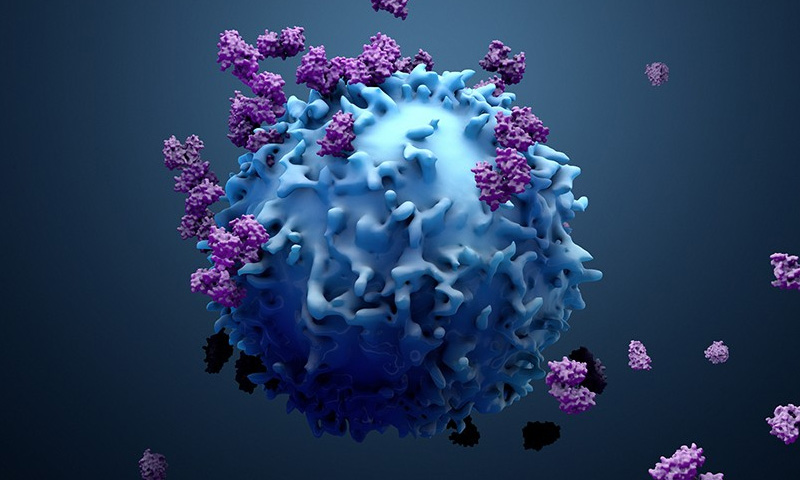
The generation of memory CD8+ T cells, spurred by the action of B. pseudolongum, is central to this process. These cells “remember” the characteristics of cancer cells, enabling a more efficient immune response in future encounters with tumors. This mechanism offers a promising new avenue for colorectal cancer treatment and could complement traditional therapies.
The research emphasizes the potential of the FMD not only as a dietary intervention but also as an innovative strategy for modulating immune function and promoting tumor suppression, thus offering a comprehensive approach to managing cancer.
FMD’s Role in Cancer Treatment and Perioperative Care
The findings of this study open the door to the potential application of the Fasting-Mimicking Diet in both cancer prevention and treatment. The study’s success in revealing how dietary changes can influence immune cell function and suppress tumor growth provides valuable insights for designing new therapeutic interventions for colorectal cancer.
Moreover, the researchers suggest that the FMD could have significant implications in perioperative dietary care for colorectal cancer patients. By modulating the immune system before or after surgery, the diet may help improve recovery outcomes and reduce the risk of recurrence.
As colorectal cancer remains a leading cause of cancer-related deaths globally, particularly in China, where the incidence and mortality rates are rapidly rising, these findings offer a glimmer of hope for more effective, non-invasive treatments that harness the body’s own immune system.
A Growing Concern: Colorectal Cancer in China
Colorectal cancer has become an increasing concern in China, with the country now accounting for one-third of the global cases. Poor dietary habits, including high-fat diets and low fiber intake, are significant contributors to the rising incidence of this deadly disease. In this context, the discovery of the FMD’s anti-tumor effects holds particular relevance, offering a dietary solution that may help curb the spread of colorectal cancer in China and other countries facing similar health challenges.
By harnessing the gut microbiota and its influence on immune function, the FMD could help reshape the way we approach cancer prevention and treatment, making it a promising area of research for both medical professionals and individuals seeking ways to improve their overall health.
