
Table of Contents
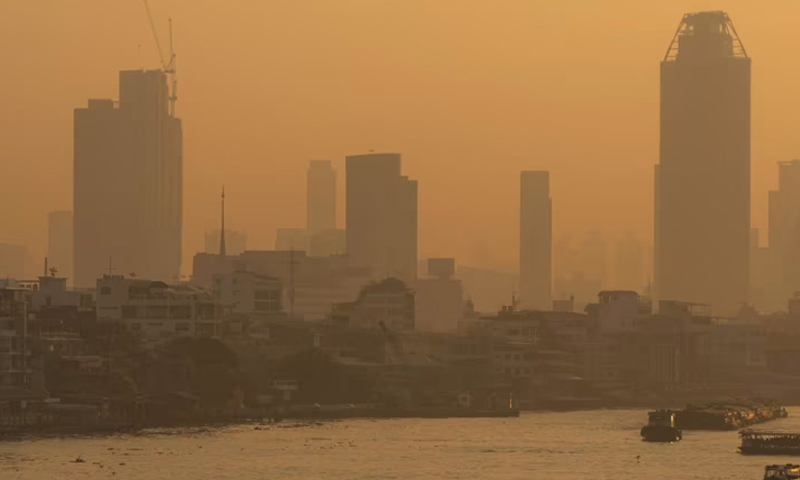
Air pollution has reached alarming levels in Thailand’s capital, Bangkok, with over 350 schools forced to close on Friday as authorities struggle to manage the ongoing crisis. The city has been engulfed in a dense haze that has led to one of the worst air quality crises in recent years, prompting urgent actions to safeguard public health.
As air pollution in Bangkok hit dangerous levels, more than 352 schools across 31 districts shut their doors, marking the highest number of school closures in the city in five years. The closures affected thousands of students, many of whom were sent home early to avoid exposure to the harmful air.
Worsening Air Quality and Its Impact on Health
This week’s air pollution is particularly severe, as seasonal factors combined with increased traffic and crop stubble burning have created a hazardous environment for residents. The level of fine particulate matter (PM2.5) in the air reached a worrying 108 micrograms per cubic meter by Friday, according to air quality monitoring company IQAir. The World Health Organization (WHO) recommends that the 24-hour average exposure to PM2.5 should not exceed 15 micrograms per cubic meter, meaning that Bangkok’s pollution levels are significantly above the safe threshold.
The pollution has caused widespread discomfort and health concerns. Benjawan Suknae, a 61-year-old drinks seller, expressed her distress to AFP, saying, “It’s hard to breathe… I really feel the burn in my throat.” Many residents, including parents of schoolchildren, are concerned about the long-term health risks posed by the persistent exposure to these toxic particles, which can enter the bloodstream through the lungs and increase the risk of respiratory and cardiovascular diseases.
Government Measures to Tackle Pollution
In response to the crisis, the Bangkok Metropolitan Administration (BMA) has taken several measures aimed at reducing exposure to the toxic air. In addition to the school closures, which affected more than 350 schools on Friday, city officials have restricted the movement of heavy vehicles, urged people to work from home, and temporarily banned stubble burning, which is a significant contributor to the pollution.
Interior Minister Anutin Charnvirakul issued an official order to ban the practice of stubble burning, which is commonly used by farmers to clear fields after harvest. Those caught burning crop stubble face legal prosecution. This move aims to reduce one of the primary sources of air pollution, although experts have pointed out that the overall pollution levels are exacerbated by traffic fumes and industrial emissions as well.
Free Public Transport to Help Reduce Traffic
To further mitigate pollution, authorities have announced a week-long initiative offering free public transport across the city. Starting Saturday, passengers can use the Skytrain, metro, light rail, and bus services at no cost. This initiative is expected to encourage more people to rely on public transportation rather than private vehicles, thus reducing traffic congestion and, consequently, vehicle emissions that contribute to the worsening air quality.
Transport Minister Suriya Juangroongruangkit expressed hope that the free transport scheme would help alleviate pollution levels, noting that traffic congestion is a significant factor contributing to the city’s air quality problem. By reducing the number of cars on the road, authorities hope to decrease the volume of harmful exhaust fumes in the air.
International Support and Future Plans
While Prime Minister Paetongtarn Shinawatra is currently attending the World Economic Forum in Switzerland, he has urged for tougher measures to tackle the pollution crisis. Among his suggestions are limiting construction activities in the city, which can increase the amount of dust and particulate matter in the air, as well as seeking cooperation from neighboring countries to address cross-border pollution.
Additionally, the city’s authorities have also introduced a voluntary work-from-home scheme for three days this week, aiming to reduce the number of people commuting and thereby lower the emission levels in the city. These actions reflect a broader strategy to tackle the seasonal air pollution that has long plagued the Southeast Asian region, as cities like Bangkok, Jakarta, and Manila continue to grapple with air quality issues.
Looking Ahead: Long-Term Solutions Needed
The current pollution crisis in Bangkok highlights the urgent need for long-term solutions to improve air quality and protect public health. Experts believe that tackling the root causes of air pollution, such as emissions from vehicles, industrial sources, and agricultural practices like stubble burning, will require a combination of stricter regulations, technological advancements, and regional cooperation.
As the Thai capital continues to face worsening air pollution, residents and officials alike are calling for more sustainable policies and increased awareness to ensure that the city can breathe easier in the future. However, with pollution levels expected to rise during the annual burn season, ongoing vigilance and action will be necessary to combat this pressing environmental issue.
