
Table of Contents
High-Level Delegation Meets Iranian Leadership
Pakistan and Iran made “significant progress” in talks aimed at ending the Iran-US conflict and easing tensions in the Middle East, Interior Minister Mohsin Naqvi said on Tuesday after accompanying Chief of Defence Forces Field Marshal Syed Asim Munir on a day-long visit to Tehran .
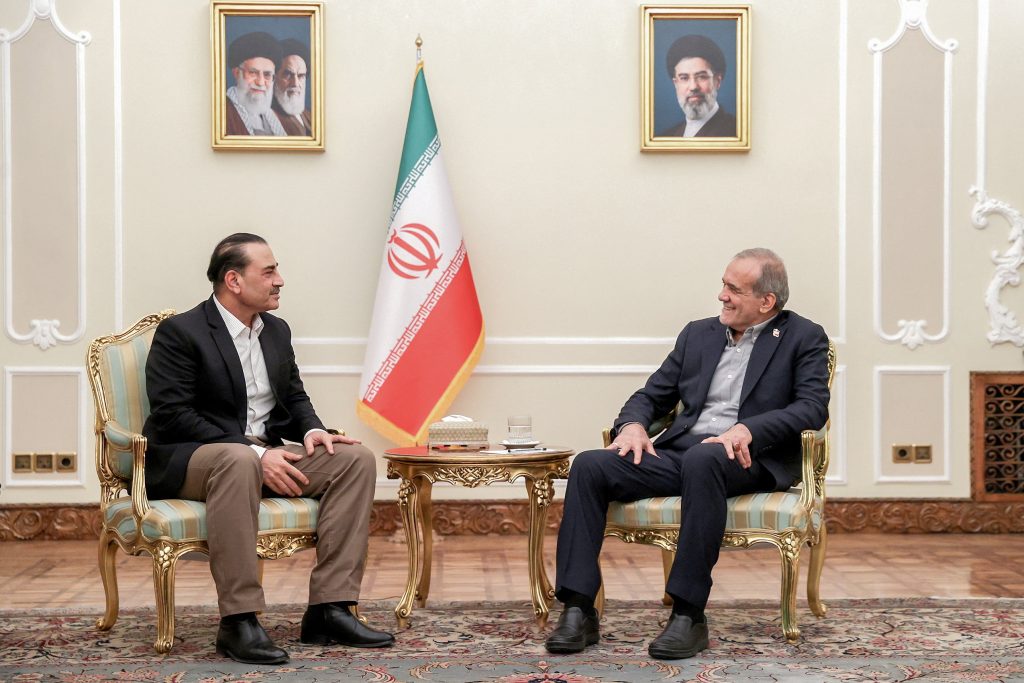
Naqvi said his meeting with Iranian President Masoud Pezeshkian focused on the conflict, regional tensions, and the way forward, including steps needed by both sides to restore the Islamabad Memorandum of Understanding (MoU) and work towards a comprehensive settlement .
“The Iranian President candidly shared his Government’s perspective and concerns, and we had a very constructive exchange on the issues involved. Significant progress was made, and the meeting concluded on a highly positive note,” Naqvi said in a post on X . The discussions also focused on measures to prevent further escalation, reopening the Strait of Hormuz, and expediting an end to the conflict, according to the Inter-Services Public Relations (ISPR) .
Munir Meets Senior Iranian Officials
Field Marshal Munir also met with Mohsen Rezaei, the Supreme Leader’s representative on the Supreme National Security Council; Parliament Speaker Mohammad Bagher Ghalibaf; Foreign Minister Seyed Abbas Araghchi; and Interior Minister Eskandar Momeni . ISPR said the Iranian leadership appreciated Pakistan’s “constructive role and sincere efforts” to facilitate dialogue, de-escalation, and a peaceful resolution of the conflict .
Pakistan’s Mediation Role
The talks came as Pakistan stepped up diplomatic efforts to help bridge differences between Washington and Tehran. Munir had spoken with US President Donald Trump ahead of his Tehran visit, Reuters reported on Monday . Trump last week warned of economic consequences for any country that provided “any type of lifeline to Iran” as he sought to isolate Tehran. Iran, in turn, has vowed to shut down all oil exports from the Gulf .
The visit builds on Pakistan’s broader mediation role, with Islamabad having brokered a ceasefire on April 8 and hosted direct talks between the US and Iran on April 11-12 . These efforts led to the signing of the Islamabad Memorandum of Understanding on June 17, which established a framework for negotiations, though the talks have since stalled .
