
Table of Contents
On Wednesday, the Pakistan Army announced the successful completion of a complex hostage-rescue operation on the Jaffar Express, which was hijacked by militants in Balochistan. The operation, which involved Pakistan’s military forces, the Pakistan Air Force (PAF), Special Services Group (SSG), and the Frontier Corps (FC), resulted in the elimination of all 33 militants involved and the safe release of the hostages.
The Jaffar Express, carrying over 400 passengers, was attacked by militants from the Balochistan Liberation Army (BLA) on March 11, who bombed a railway track and stormed the train. They took the passengers hostage, using women and children as human shields. The militants also placed suicide bombers among the hostages, though they were neutralized by snipers from the security forces during the operation.
The Attack and the Hostage Situation
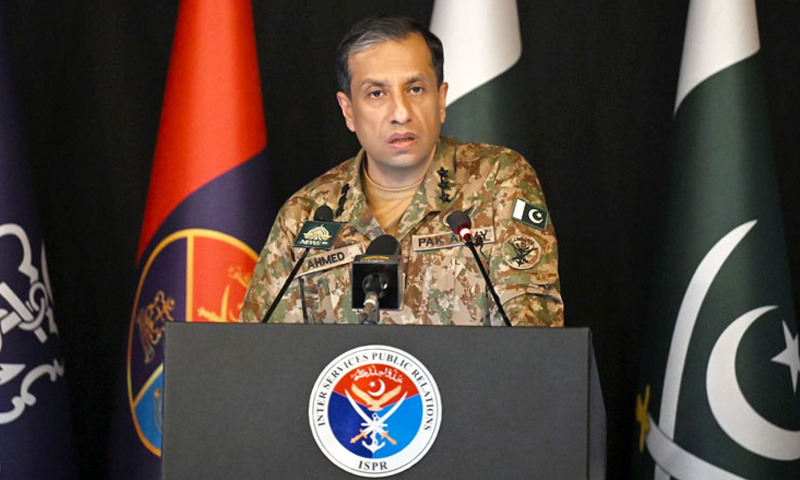
According to Lt. Gen. Ahmed Sharif Chaudhry, Director General of the Inter-Services Public Relations (ISPR), the terrorists attacked the train in the Bolan district of Balochistan, taking control of the train and its passengers. They were in contact with facilitators and masterminds based in Afghanistan via satellite phones during the operation. Despite the extreme measures taken by the militants, who also fired on the locomotive and injured the train driver, the security forces were able to clear the site and rescue the hostages.
However, before the operation began, 21 innocent lives were tragically lost as the terrorists executed the passengers. Lt. Gen. Chaudhry confirmed that no harm was caused to any other passengers during the clearance operation.
During the operation, security forces made sure to prioritize the safety of civilians, evacuating nearly 100 passengers on March 11, with more rescued in the subsequent hours. The clearance operation involved painstaking efforts, with bomb disposal teams working to neutralize any further threats before completing the final sweep of the train.
Terrorist Tactics and Response
The attackers, identified as militants from the Balochistan Liberation Army (BLA), had employed brutal tactics, including using hostages as human shields and hiding suicide bombers among them. This added a layer of complexity to the operation, as security forces needed to carefully navigate the situation to avoid unnecessary casualties.
The Pakistan Army’s precision in neutralizing the threat without further endangering the hostages was praised by authorities. “The terrorists remained in contact with their facilitators and mastermind based in Afghanistan via satellite phone during the clearance operation,” Lt. Gen. Chaudhry explained.
The military forces, including elite special forces and army units, cleared the train one by one, ensuring that every last terrorist was killed. “All 33 terrorists have been sent to hell,” said Chaudhry. The operation is seen as a significant victory for Pakistan’s security forces in their ongoing battle against terrorism, particularly in Balochistan, a province often plagued by militant activity.
Cyclone Alfred Leaves Thousands Without Power on Australia’s East Coast
National Condemnation and Official Praise
Following the completion of the operation, the national leadership expressed their grief over the loss of innocent lives. President Asif Ali Zardari extended his condolences to the families of the victims, particularly the 21 civilians and four Frontier Corps (FC) personnel who were martyred during the attack. He commended the security forces for their quick and decisive action, which led to the killing of 33 terrorists and the safe rescue of hundreds of hostages.
Prime Minister Shehbaz Sharif also spoke out against the attack, expressing his deep sorrow for the loss of life and condemning the militants. “The entire nation is deeply shocked by this dastardly act and saddened by the loss of innocent lives,” said Sharif, further emphasizing that such cowardly acts would not break Pakistan’s resolve for peace and security.
Relief and Medical Support for Victims
In the wake of the attack, emergency measures were swiftly put in place by the provincial government of Balochistan. Relief trains were dispatched to the area, while hospitals in Quetta were put on high alert to treat the injured. A total of 37 injured passengers were evacuated for medical treatment, with all medical staff summoned to provide care.
The rescue operation involved considerable coordination between different military and civilian agencies. The Balochistan government imposed emergency measures, including establishing an emergency information desk at Quetta Railway Station to keep the public informed about developments regarding the Jaffar Express incident.
Impact on Railway Services and Passenger Accounts
As a result of the attack and subsequent operation, the Bolan Mail and Jaffar Express train services from Quetta were suspended for three days, along with other affected routes. The Balochistan government worked to maintain order and ensure the safety of other travelers in the region.
Freed passengers recounted the terrifying experience of being trapped on the train, with some expressing immense gratitude to the security forces for their successful rescue. One freed passenger shared, “There was gunfire, but by the grace of Allah, the army and FC personnel brought us to safety.” Another passenger, Muhammad Bilal, who had been traveling with his mother, described the experience as “terrifying,” adding that he could not find words to express the fear they had endured during the crisis.
