
Table of Contents
In a move aimed at managing operational challenges stemming from rising fuel costs, Pakistan Railways has announced changes in the departure schedule of three major passenger trains operating from Lahore to Karachi, along with a modest increase in fares and freight charges.
The changes come as the state-run rail service grapples with the financial burden of a steep Rs. 11.37 per liter increase in diesel prices, which has raised the railway’s daily fuel costs by Rs. 3.99 million.
New Train Departure Timings from Lahore to Karachi
The new departure schedule for Lahore-bound trains heading to Karachi, effective immediately, is as follows:
- Business Express: Now departs at 6:30 PM, shifted from the previous 4:30 PM departure.
- Karachi Express: Rescheduled to 8:00 PM, two hours later than its earlier 6:00 PM slot.
- Shah Hussain Express: Now leaves at 10:15 PM, delayed from its previous 9:00 PM schedule.
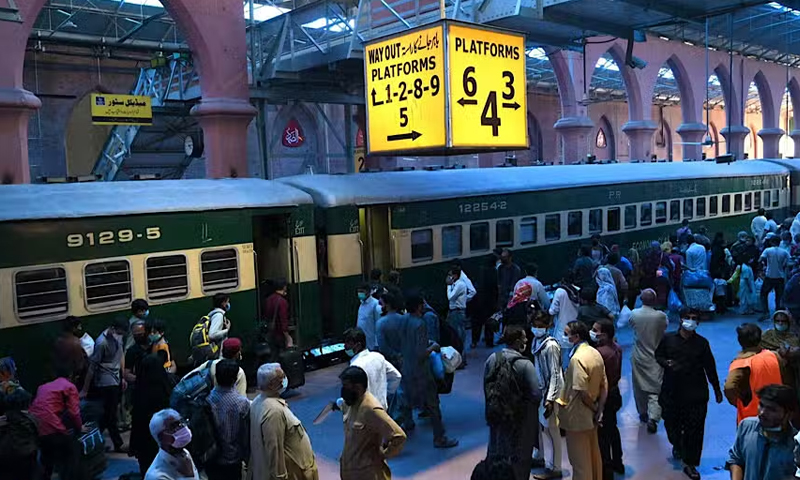
According to Pakistan Railways officials, the adjustments were made to improve operational efficiency, optimize fuel consumption, and reduce platform congestion during peak hours.
Passenger Fare Hike Announced
To partially offset the impact of fuel price inflation, Pakistan Railways has increased passenger fares by 2% across select routes. The fare hike applies to both economy and business class compartments, although authorities have clarified that concessions for senior citizens, students, and differently-abled passengers will remain unaffected.
Breakdown of Fare Impact:
- The increase equates to Rs. 10 to Rs. 40 per ticket, depending on the class and distance.
- Long-distance travelers, especially on the Lahore-Karachi corridor, will feel the most noticeable fare changes.
A senior official at Pakistan Railways explained that, while the 2% hike appears modest, it is a necessary adjustment in light of growing costs:
“With diesel prices rising sharply, maintaining current fare levels was no longer viable. The revised rates are aimed at sustaining operations without compromising service quality.”
Freight Charges Also Adjusted
In addition to passenger fare increases, freight rates for key commercial cargoes have also been revised:
- Coal transportation charges have been raised by 3%.
- Fertilizer transport rates have gone up by 2%.
These changes are expected to affect industrial clients and agricultural suppliers, who depend on rail freight for bulk shipments. Coal, in particular, is a high-volume cargo linked to power generation and cement production, making the rate hike especially notable.
Diesel Price Hike Worsens Financial Burden
The core reason behind the rescheduling and fare hike is the dramatic increase in diesel prices, now up Rs. 11.37 per liter. This single factor has added an extra Rs. 3.99 million to daily fuel costs for Pakistan Railways, resulting in a monthly fuel bill spike of approximately Rs. 119.5 million.
Customs Revises Solar Panel Import Values Amid Global Price Decline
Pakistan Railways, which runs hundreds of passenger and freight trains daily, is among the largest institutional consumers of diesel in the country. Any rise in diesel cost immediately impacts its operating budget, which is already under strain due to aging infrastructure and rising maintenance costs.
Operational Pressures and Public Expectations
The twin measures—rescheduling and fare hikes—have received mixed reactions from the public. While some passengers appreciate the clarity in communication, others are frustrated with the timing disruptions.
“We understand the need to adjust fares, but frequent schedule changes are inconvenient,” said one commuter at Lahore Railway Station. “It would help if they announce such changes well in advance.”
Pakistan Railways has responded by pledging to:
- Improve real-time schedule notifications via its mobile app and SMS alerts.
- Provide ticket refunds or adjustments for those affected by schedule shifts.
- Continue investing in digital ticketing and station modernization to enhance user experience.
A Glimpse into the Future: Sustainability and Reforms
Railway officials have hinted that further fuel-linked adjustments may be necessary if diesel prices continue to climb. However, they also reaffirmed their commitment to:
- Energy efficiency reforms, including exploring hybrid and electric locomotive technologies.
- Public-private partnerships to modernize rail infrastructure.
- Increasing freight share in total revenue to reduce reliance on passenger fares.
These efforts are part of Pakistan Railways’ broader strategy to become financially self-sustaining over the next decade, a target that hinges heavily on stable energy pricing and strategic investments.
Conclusion
With diesel costs soaring, Pakistan Railways faces mounting pressure to keep its services running without crippling losses. The recent departure time changes and fare increases are early signs of the cost-cutting and efficiency-enhancing measures to come.
Passengers are advised to check the latest train schedules before traveling and remain alert to future updates via Pakistan Railways’ official channels, as the situation continues to evolve in response to market and fuel price trends.
