ISLAMABAD: In a press briefing held at the Foreign Office today, Pakistan’s spokesperson provided an extensive overview of the country’s diplomatic endeavors throughout 2023. The briefing covered a wide range of topics, including high-level visits, multilateral engagements, and regional relationships.
Key Highlights:
Global Diplomacy: Pakistan’s diplomatic efforts focused on enhancing its international profile and building relations with countries worldwide, with high-level visits from former Prime Minister and Foreign Minister Bilawal Bhutto Zardari.
Multilateral Engagement: Active participation in various multilateral forums, including the United Nations, Organization of Islamic Cooperation, Economic Cooperation Organization, and Shanghai Cooperation Organization, showcased Pakistan’s commitment to inclusive multilateralism.
Climate Resilience: Hosting the International Conference on Climate-resilient Pakistan in collaboration with the United Nations demonstrated Pakistan’s dedication to addressing climate challenges.
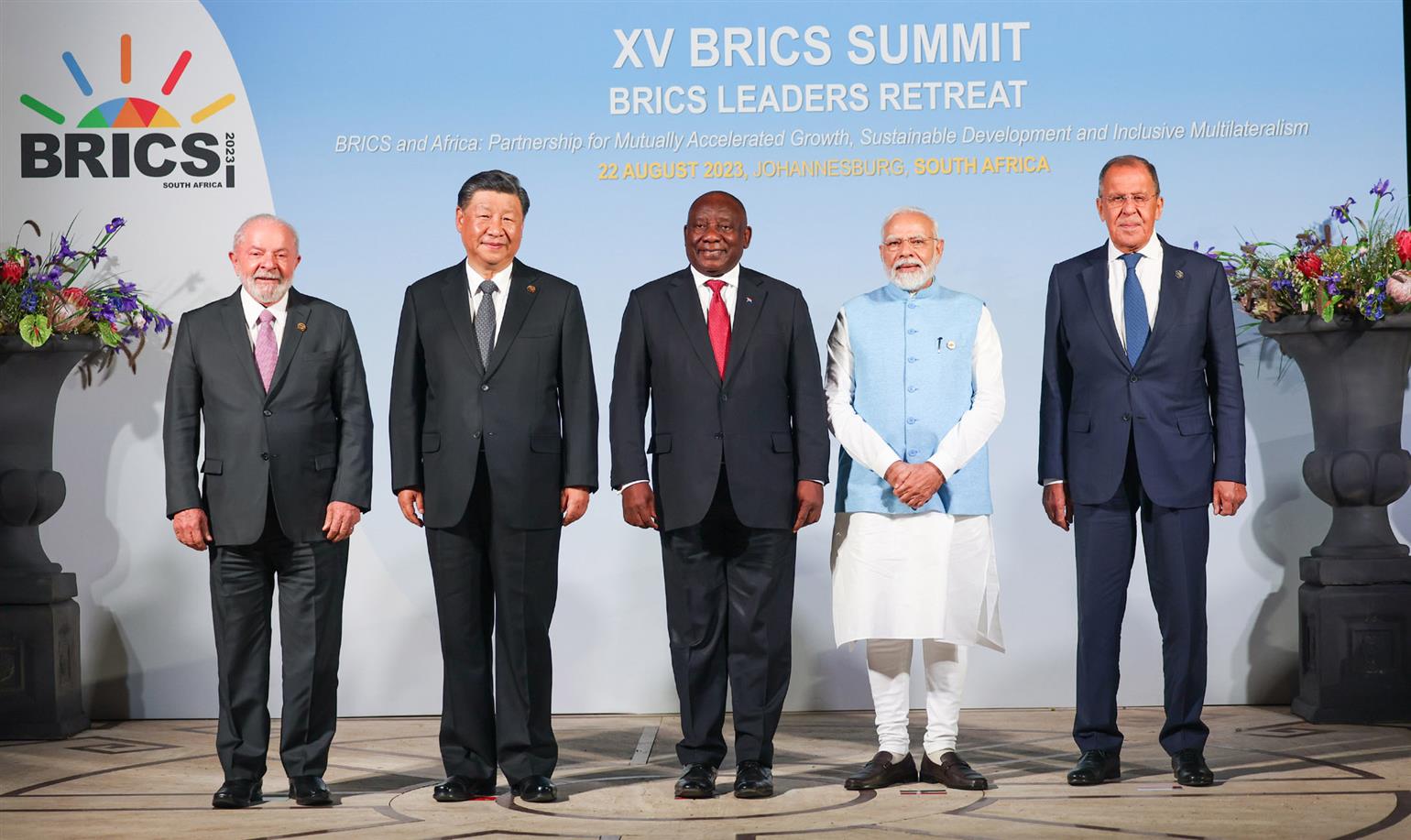
BRICS Membership Request: Pakistan formally requested to join BRICS, emphasizing its commitment to inclusive multilateralism and hoping for positive developments.
Election Victories: Pakistan secured membership in several important multilateral bodies, reinforcing its standing in the international community.
Regional Connectivity: Pakistan continued its efforts to promote regional cooperation, especially with Afghanistan, Central Asia, and countries in the South Asian region.
Bilateral Relations: Strengthening traditional partnerships with China, Türkiye, Saudi Arabia, and the wider Islamic world remained a priority, with a focus on economic collaboration and defense production.
India-Pakistan Relations: Despite no major developments, Pakistan called for the normalization of bilateral relations with India, emphasizing the resolution of outstanding disputes, particularly the core issue of Jammu and Kashmir.
Humanitarian Efforts: Pakistan actively advocated for the Palestinian cause, supported international initiatives for Gaza, and provided humanitarian aid.
Overseas Pakistanis: Measures were taken to enhance services for overseas Pakistanis, including the launch of online attestation and evacuation efforts in Sudan and Niger.
Response to Questions:
Indian Ban on Muslim League Jammu Kashmir: Pakistan strongly condemned India’s decision to ban the Muslim League Jammu Kashmir Masarrat Alam faction, highlighting the continued suppression of genuine voices in IIOJK.
Extradition Request for Hafiz Saeed: The spokesperson did not comment on speculative reports regarding India’s extradition request for Hafiz Saeed.
EU and Norwegian Embassy Tweets: Pakistan defended its internal handling of protests, emphasizing its commitment to freedom of assembly, and expressed regret at foreign embassies interfering in internal affairs.
Indian Military Operation in Poonch: Pakistan condemned Indian forces’ actions in Poonch, reiterating its support for the rights of the Kashmiri people and their right to self-determination.
Future of Pakistan-India Relations: Pakistan maintained that dialogue with India would be based on equality, mutual respect, and the prioritization of the Jammu and Kashmir dispute.
Pakistan-GCC Free Trade Agreement: An understanding of the principles of the free-trade agreement with GCC countries was reached, with ongoing talks to finalize additional aspects for early operationalization.
As Pakistan concludes a dynamic year in diplomacy, the nation remains committed to fostering global partnerships, and regional stability, and addressing critical issues such as climate change and human rights.