
Table of Contents
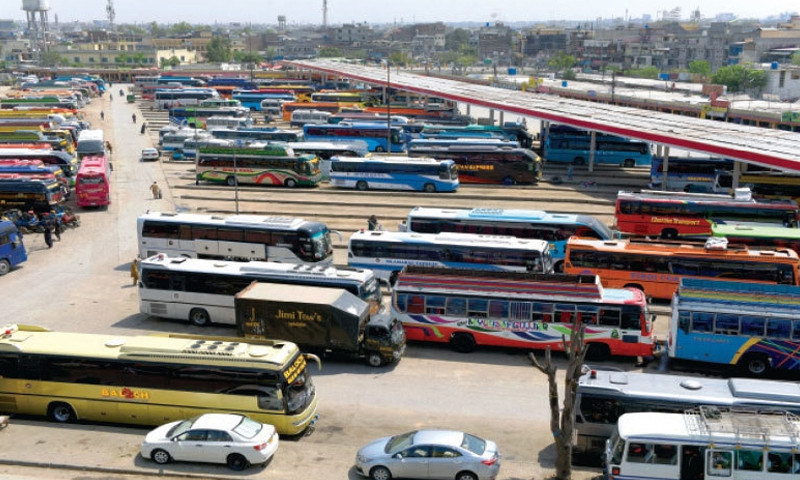
A major overhaul of Rawalpindi’s transport system is on the horizon, as authorities have decided to shift Pirwadhai General Bus Stand along with all 44 small and large public transport terminals, goods transport terminals, and the Islamabad fruit and vegetable market to locations near the Rawalpindi Ring Road.
The move is aimed at easing chronic traffic congestion within the city and enforcing a complete ban on the entry of heavy transport vehicles into Rawalpindi. Once implemented, no heavy vehicle will be allowed to enter the city limits, and any violation will result in immediate impounding.
A Historically Sensitive Relocation
Pirwadhai General Bus Stand itself has a long and politically sensitive history. It was shifted from Liaquat Bagh to its current location in Pirwadhai in 1975 during the tenure of former prime minister Zulfikar Ali Bhutto. That relocation sparked widespread protests at the time, with transporters observing a complete strike for a week before the dispute was eventually resolved.
Nearly five decades later, Pirwadhai is once again at the center of a major transport restructuring—this time with far-reaching implications for both Rawalpindi and Islamabad.
Terminals Across the City to Be Moved
In addition to Pirwadhai, transport terminals located at Faizabad, Chungi No. 26, and several other busy points in the city will also be shifted out. The plan is designed to remove heavy and long-route transport from urban roads, which have long struggled to cope with increasing traffic volumes.
Under the new arrangement, Pirwadhai General Bus Stand will come under the full ownership of the Punjab government. It will function as a central hub for inter-district, intra-city, and Rawalpindi–Islamabad route vehicles.
Local buses operating between Rawalpindi and Islamabad will depart from Pirwadhai, with fares expected to range between Rs20 and Rs50, making it a key node for daily commuters.
Clear Routing Plan for Intercity Traffic
The restructuring includes a detailed traffic routing plan based on the origin of transport:
- Transport coming from Peshawar will be assigned a terminal near Islamabad International Airport.
- All transport from Punjab will be routed through the Rawalpindi Ring Road.
- Traffic arriving from Azad Kashmir via Murree will terminate near Bharakahu.
- Vehicles from other districts will enter through Rawat, connecting directly to the Ring Road.
This system is intended to divert through-traffic away from densely populated areas and streamline movement around the twin cities.
Ring Road: The Backbone of the Plan
The Rawalpindi Ring Road is central to the success of this initiative. At present, construction is nearing completion on the section from Rawat to Islamabad International Airport. Once the remaining stretch—from the airport to Bharakahu—is completed, traffic from Bharakahu will also be redirected to Rawat, further reducing pressure on city roads.
The Ring Road project itself has faced a long and troubled history. Originally approved in 2004 during the tenure of former Punjab chief minister Chaudhry Pervaiz Elahi, the project suffered repeated delays over the years due to administrative, financial, and political hurdles.
With renewed focus on completion, authorities believe the Ring Road will finally fulfill its role as a bypass for heavy and long-distance traffic.
Public Transport Inside the City
Once the relocation is complete, government buses, wagons, and other public transport services will operate between the new terminals and the city to facilitate passenger movement. This feeder system is meant to ensure that commuters can still access city centers without relying on heavy vehicles entering urban areas.
Officials believe that banning heavy transport from Rawalpindi will significantly improve traffic flow, reduce road damage, and enhance air quality. However, given the historical resistance to such moves, particularly from transporters, the implementation phase is expected to be closely watched.
As Rawalpindi prepares for this sweeping transformation, the coming months will determine whether the city can successfully balance improved traffic management with the needs of commuters, traders, and transport operators alike.
