
Table of Contents
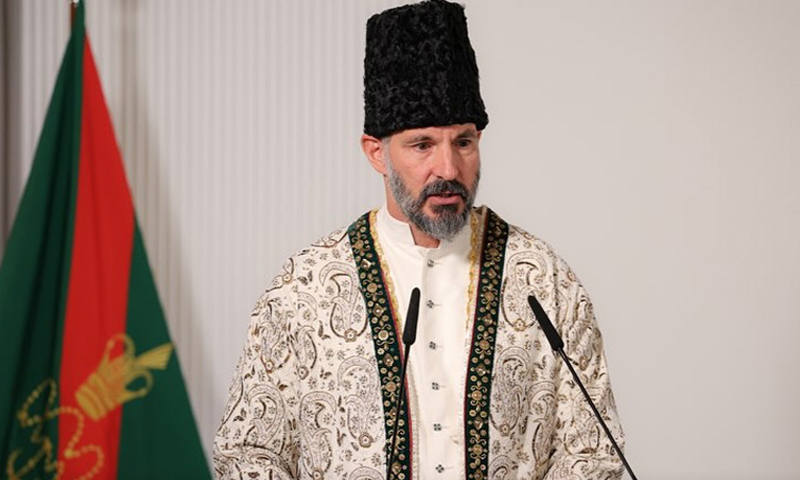
In a momentous event for the Shia Ismaili Muslim community, Prince Rahim Aga Khan V formally ascended as the 50th hereditary Imam during a grand ceremony at The Diwan of the Ismaili Imamat in Lisbon, Portugal. The event marked the beginning of his leadership following the passing of his father, Prince Karim Aga Khan IV, who had led the community for over six decades.
The ceremony was a poignant occasion that brought together Ismaili leaders from across the globe, all pledging their spiritual allegiance to the new Imam on behalf of the worldwide Ismaili community. The event was live-streamed to Jamatkhanas (gathering places) in over 35 countries, allowing millions of Ismailis worldwide to be a part of the historic moment.
A Tribute to the Late Imam
In his first speech as the Imam of the Ismaili community, Aga Khan V paid a heartfelt tribute to his late father, Prince Karim Aga Khan IV. The new Imam expressed deep gratitude for the unwavering support from his family during this significant transition. He also thanked the governments of Portugal and Egypt for their roles in recognizing his father’s contributions to global society and for facilitating dignified funeral arrangements.
The loss of Prince Karim Aga Khan IV was deeply felt by the Ismaili community worldwide, and his legacy continues to resonate with the values of peace, humanitarian service, and development that he championed during his leadership.
The Commitment of Aga Khan V
Speaking for the first time to the international community as their Imam, Prince Rahim Aga Khan V made a solemn pledge to dedicate his life to the well-being—both spiritual and material—of the Ismaili Jamat. His address emphasized the importance of balancing spiritual and worldly responsibilities, which are core principles of the Ismaili faith.
The new Imam highlighted universal values that are integral to the Ismaili worldview, including peace, tolerance, inclusion, and humanitarian service. He urged his followers to contribute meaningfully to the societies in which they live, furthering the Ismaili tradition of active participation in improving the lives of others.
One of the key points of his address was his call for the Ismaili community to take a proactive leadership role in addressing climate change. Aga Khan V stressed the urgency of environmental responsibility and the collective effort needed to preserve the planet for future generations.
Continuing the Legacy of the Aga Khan Development Network (AKDN)
Prince Rahim Aga Khan V is no stranger to the work of the Aga Khan Development Network (AKDN), having been involved with its initiatives for decades. The AKDN has been instrumental in fostering development and stability in various regions of the world, particularly in areas related to education, healthcare, economic development, and cultural preservation.
Aga Khan V pledged to continue his father’s work, building on the network’s efforts to create positive change while embracing measured and thoughtful progress. He reaffirmed his commitment to maintaining strong partnerships with governments, international organizations, and development agencies, ensuring the continuation of efforts aimed at promoting peace, stability, and sustainable development worldwide.
His message underscored the importance of maintaining the values instilled by his father while adapting to the changing needs of the modern world. Through his leadership, the Ismaili community is expected to continue to be a force for good, both in local communities and on the global stage.
Looking Forward: A Vision for the Future
As the 50th Imam, Prince Rahim Aga Khan V now assumes a leadership role that comes with great responsibility, as he navigates the future of the Ismaili community while maintaining the legacy of his forefathers. The vision of peace, tolerance, and development that he promotes will serve as guiding principles for his leadership, and his efforts will be instrumental in furthering the Ismaili community’s contributions to society.
As Aga Khan V steps into this historic role, his leadership is expected to focus on strengthening the bonds of the Ismaili community globally, ensuring that the values of humanitarian service, environmental stewardship, and sustainable development remain central to their work and their impact on the world.
