
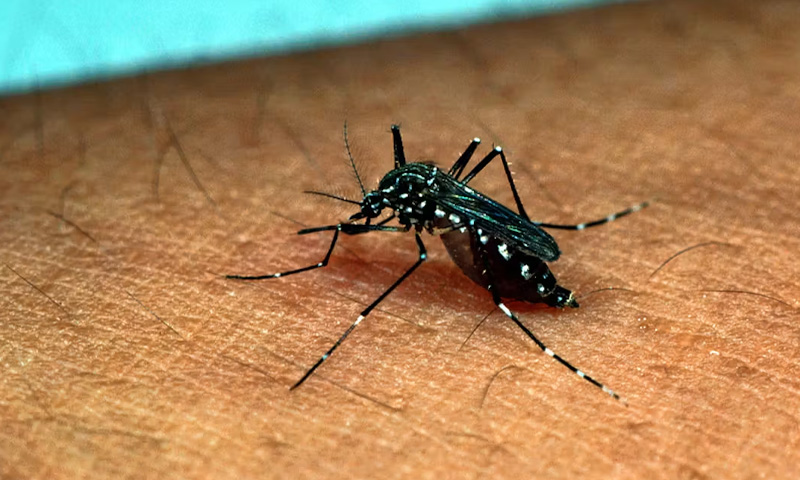
Health authorities in Rawalpindi are taking immediate action after the discovery of dengue larvae at several locations during the winter season, raising concerns about the spread of the disease in the upcoming months. As part of their proactive approach, the district administration and health department have developed a comprehensive “Dengue Control Plan” for this year, which aims to address the growing threat of dengue transmission in the region.
Intensified Prevention Efforts and Recruitment of Sanitary Workers
The presence of dengue larvae in off-season months, particularly in the Chak Jalal Din area, has prompted the authorities to intensify preventive measures. To bolster their efforts, the health department has recruited 2,000 new sanitary patrol workers to conduct on-the-ground inspections and address potential breeding sites. These workers will play a crucial role in identifying and eliminating mosquito larvae in residential and commercial areas.
Android Phones for Field Duty Monitoring
As part of the new Dengue Control Plan, all flood workers will be provided with Android mobile phones for monitoring field duties. This initiative aims to improve the efficiency of the inspection process and ensure timely reporting of any larvae findings. A summary outlining the plan has been submitted to the Punjab health department’s director general for approval.
Trump’s USAID Cuts Stall HIV Vaccine Research in South Africa
While mobile phones had been issued to field staff previously, they were withdrawn after they broke. This year, the health department has decided to reissue phones to workers and in-charges to ensure effective field monitoring. The decision to equip the workers with modern technology aims to enhance the overall effectiveness of the dengue control efforts.
Focus on High-Risk Areas
Although dengue is typically considered an off-season threat in Rawalpindi, the discovery of significant larvae in Chak Jalal Din has prompted early action. Deputy Commissioner Hassan Waqar Cheema has directed the initiation of dengue control measures before the usual peak season.
The district has been divided into four zones, eight sectors, and 36 cluster centres, with each area assigned a dedicated in-charge responsible for overseeing inspections and controlling mosquito breeding. Special emphasis will be placed on high-risk areas such as construction sites, tyre shops, and scrap yards, as well as neighborhoods that reported dengue cases in 2024.
Rigorous Inspections and Third-Party Surveys
The new plan includes rigorous monitoring of inspections, with third-party surveys set to be conducted to assess the effectiveness of the control measures. If any dengue larvae are found, departmental action will be taken to eliminate the breeding sites promptly and prevent further spread.
Community Engagement and Awareness Campaigns
The district administration is emphasizing the importance of community involvement in dengue control efforts. A key aspect of the new plan is the launch of awareness campaigns to educate residents about preventive measures. These campaigns will focus on eliminating standing water around homes, using mosquito repellents, and taking steps to reduce potential mosquito breeding sites.
Health teams will distribute informational pamphlets and hold public meetings in affected areas to ensure that residents actively participate in controlling the mosquito population. By encouraging community engagement, authorities hope to create a collective effort to reduce the risk of dengue outbreaks in the region.
Dengue Control Act Implementation
The full-scale dengue control campaign will officially begin on April 1, 2025, in line with the enforcement of the Dengue Control Act. This legislation will provide the legal framework for more robust and organized efforts to combat dengue and ensure the safety and well-being of Rawalpindi residents.
The health department and district administration remain committed to tackling the dengue threat head-on by taking timely action, improving surveillance, and fostering collaboration with the community to protect public health.
