
Table of Contents
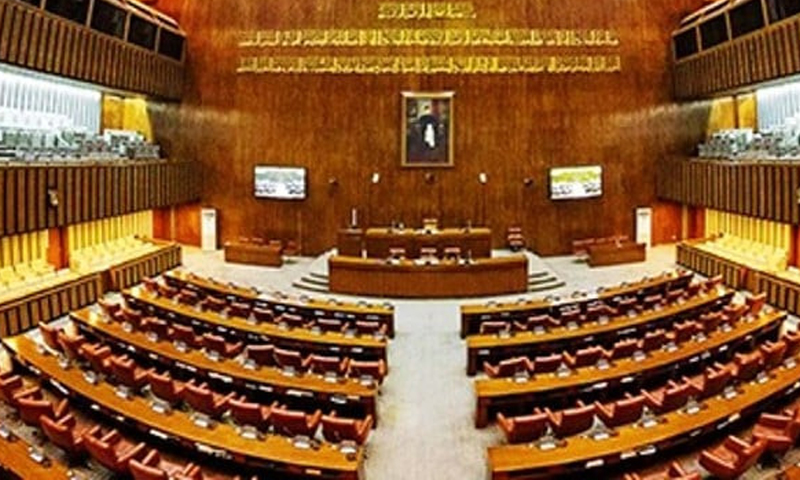
As the Senate continued its budget debate on Wednesday, several lawmakers raised serious concerns about the adequacy of government proposals to combat the effects of inflation on ordinary citizens. Senator Poonjo Bheel and Senator Kamil Ali Agha were among those who pressed for more substantial relief in the form of higher salaries, pensions, and agricultural support.
Senator Poonjo Bheel Proposes 25% Pay Raise for Government Employees
Taking the floor during the debate, Senator Poonjo Bheel proposed a minimum 25 percent increase in the salaries of government employees, arguing that the current proposal in the federal budget—a 10 percent raise—is insufficient given the record-high inflation faced by working-class families.
“Government employees are struggling to make ends meet. With inflation eating away at purchasing power, a modest increase will not bring meaningful relief,” Bheel stated.
He emphasized that public servants across all grades have been disproportionately impacted by the rising cost of living, particularly due to soaring utility bills, transport expenses, and food prices.
Budget Size Smaller Than Previous Years, Senator Warns
In addition to his call for salary adjustments, Senator Bheel criticized the overall size of the current budget, which he noted is smaller than in previous years, even as national economic challenges grow more severe.
He questioned how the government plans to meet rising demands in healthcare, education, and infrastructure with limited fiscal space, urging policymakers to reevaluate their spending priorities to reflect the needs of the people.
Concern Over Farmers’ Plight Amid Rising Input Costs
Senator Bheel also voiced strong concern about the agricultural sector, particularly the growing financial strain on farmers.
“Farmers are facing sky-high input costs—fertilizers, diesel, seeds—yet their crop returns are far too low. This imbalance is driving rural communities into deeper poverty,” he said.
He urged the government to expand agricultural subsidies, reform the pricing system, and provide more direct support to small-scale farmers, who form the backbone of Pakistan’s rural economy but are often left behind in national policy decisions.
Senator Kamil Ali Agha Echoes Inflation Concerns
Senator Kamil Ali Agha reinforced Bheel’s sentiments, arguing that the proposed 10 percent salary and 7 percent pension increase in the 2025-26 budget is out of step with the actual cost of living.
“The proposed increases do not reflect the real economic burden being carried by pensioners and working families,” Agha stated.
He noted that many households are barely surviving under the weight of double-digit inflation, especially in urban centers where rent, food, and transportation costs continue to rise unchecked.
Call for Budget Revisions to Support the Underprivileged
Senator Agha called on the government to revisit its proposed measures with a focus on equity and social justice. He urged policymakers to ensure that resources are directed toward the underprivileged, including daily wage earners, retirees, and low-income families.
“The budget should not only be a financial document—it should reflect our values. Relief must go to those who need it most,” Agha said.
He also pointed out that strengthening the purchasing power of citizens would, in turn, stimulate local markets and generate positive economic activity.
Growing Political Pressure on Budget Proposals
The Senate debate reflects growing political pressure on the federal government to restructure key parts of the budget, especially those related to wages, pensions, and social protections.
Govt Begins Phased Blocking of 4.9M SIMs Linked to Expired CNICs
With the country still grappling with high inflation, low growth, and debt-related fiscal constraints, the government has attempted to strike a balance between IMF compliance and domestic expectations. However, as senators from across party lines raise objections, more amendments may be expected before the final budget is passed.
Broader Economic Implications
Economists have noted that while fiscal prudence is important, under-investment in human capital and agriculture could lead to long-term structural problems.
“A budget that ignores inflation’s impact on salaries and the food economy risks eroding trust and increasing inequality,” said a senior economist from a local think tank.
The Senate’s calls for stronger public sector support are likely to resonate with civil service unions and rural stakeholders, further intensifying the political spotlight on the final budget bill.
What Comes Next?
With the budget still under discussion, the government may face pressure to incorporate at least partial revisions in line with the senators’ demands. Final amendments will likely be debated over the coming week, ahead of the National Assembly’s vote to approve the budget.
The government has yet to publicly respond to Senator Bheel and Senator Agha’s specific recommendations, but sources suggest some adjustments may be under consideration, especially if consensus-building within the coalition becomes necessary for the budget’s passage.
