
Table of Contents
The longstanding conflict between nuclear-armed neighbors India and Pakistan flared up once again on May 7, when unprovoked Indian strikes in various areas of Pakistan and Azad Jammu & Kashmir (AJK) resulted in the deaths of at least 31 civilians. The attack marked a sharp escalation in an already volatile regional dynamic.
In response, Pakistan launched a retaliatory campaign under “Operation Bunyan-um-Marsoos”, targeting Indian military infrastructure using Fatah-series precision-guided missiles and Pakistan Air Force (PAF) munitions. According to Pakistan’s military, five Indian fighter jets, including three Rafale aircraft, along with dozens of drones, were neutralized.
Over the four-day exchange, 40 Pakistani civilians and 11 troops were reportedly martyred due to Indian aggression. The situation rapidly drew the attention of the international community due to the high stakes of a conflict between two nuclear powers.
US Diplomacy Facilitates Temporary Peace
On May 10, US Secretary of State Marco Rubio played a central role in brokering a ceasefire between the two nations. In a phone call to Pakistan’s Deputy Prime Minister and Foreign Minister Ishaq Dar, Rubio conveyed that New Delhi was willing to enter a ceasefire agreement.
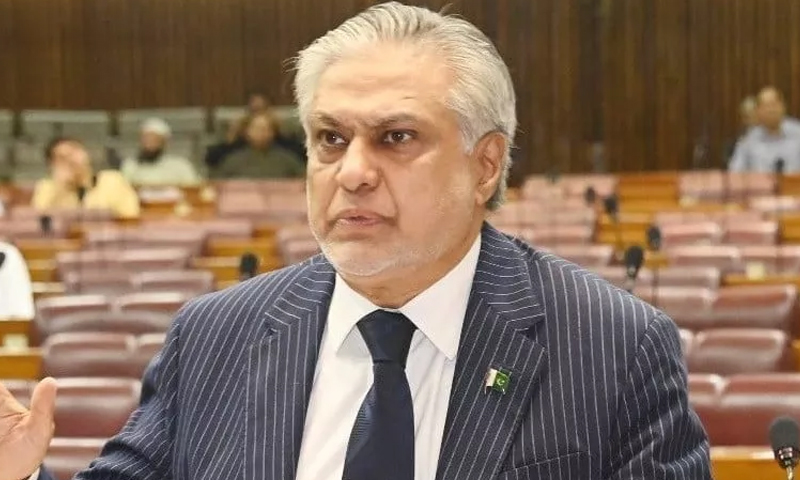
“On May 10 at around 10:15 a.m., I received a phone call from the US Secretary of State who informed me that India is ready to agree to a ceasefire,” Dar informed the Senate while addressing the escalating conflict.
Dar emphasized that Pakistan’s first phase of retaliation was near completion at that point, but Islamabad had no objection to ceasefire efforts if India showed genuine intent to de-escalate. He added that he clearly conveyed to the US side that Pakistan did not initiate hostilities.
Ceasefire Timeline and DGMO Talks
The ceasefire has been managed and extended through a series of DGMO (Director General of Military Operations) level hotline conversations between the two militaries:
- May 10: First DGMO contact following US mediation. Ceasefire agreed upon until May 12.
- May 12: Second contact extended the truce until May 14.
- May 14: Further talks led to an extension until May 18.
Pakistan’s DGMO, Major General Kashif Abdullah, and India’s DGMO, Lt Gen Rajiv Ghai, led the coordination through direct communications over the hotline.
US President Donald Trump Confirms Ceasefire Role
On May 11, US President Donald Trump officially announced the ceasefire, crediting both countries for showing restraint. He stated that both Indian and Pakistani leaders were “unwavering” in their commitment to avoid war.
Trump pointed to trade interests as a major reason behind the de-escalation, stating, “We are going to do a lot of trade with Pakistan… and India. We are negotiating with India right now. We are soon going to negotiate with Pakistan.”
The US administration’s visible role in resolving the conflict highlights Washington’s strategic interest in maintaining stability in South Asia.
Pakistan Emphasizes Sovereignty and Peace
During his Senate address, DPM Ishaq Dar reaffirmed Pakistan’s commitment to regional peace, asserting that Islamabad never sought or requested a ceasefire, and it was in fact India’s aggression that triggered the escalation.
India calls on IAEA to take charge of Pakistan nukes
He said Pakistan’s military successfully countered Indian hegemonic designs, and that the operation was a testament to the nation’s defensive capabilities. Dar remarked that it was a “great success for Pakistan” that the international community rejected India’s narrative about the conflict.
Indus Waters Treaty Declared Non-Negotiable
Dar also addressed another key bilateral issue: the Indus Waters Treaty, an essential water-sharing agreement between the two countries.
He made it clear that India cannot unilaterally suspend the treaty, declaring it a non-negotiable matter for Pakistan. Any discussions on this topic, Dar said, would only be held under the framework of composite dialogue, covering all core issues, including Kashmir, terrorism, water rights, and border disputes.
Global Engagement and Regional Outlook
Aside from the United States, other key international players also engaged diplomatically during the crisis. Dar confirmed that Saudi Minister of State for Foreign Affairs Adel al-Jubeir contacted Pakistan to discuss the ceasefire and broader peace efforts.
The Deputy Prime Minister reiterated that Pakistan desires peace, but not at the cost of compromising its sovereignty or security. “With the blessings of Allah Almighty,” Dar said, “Pakistan has dispelled the myth of any ‘new norm’,” referencing India’s previous attempts to establish unilateral military doctrines in the region.
What Lies Ahead?
With the ceasefire set to expire on May 18, all eyes are on whether further DGMO-level talks can secure a longer-term de-escalation or possibly restart formal diplomatic engagement.
The situation remains fragile, but the current pause in hostilities has opened a window of opportunity for renewed dialogue — potentially leading toward a more durable peace, provided both sides commit to diplomacy over confrontation.
