
Table of Contents
In January 2020, Wuhan was thrust into the global spotlight as the epicenter of the novel coronavirus outbreak. Built in just days to handle the surge in Covid-19 cases, Huoshenshan Hospital became a symbol of the city’s intense battle against the virus. The hospital, once bustling with medical staff and patients, now stands empty behind newly constructed walls, its significance fading into history as time passes and Wuhan moves on.
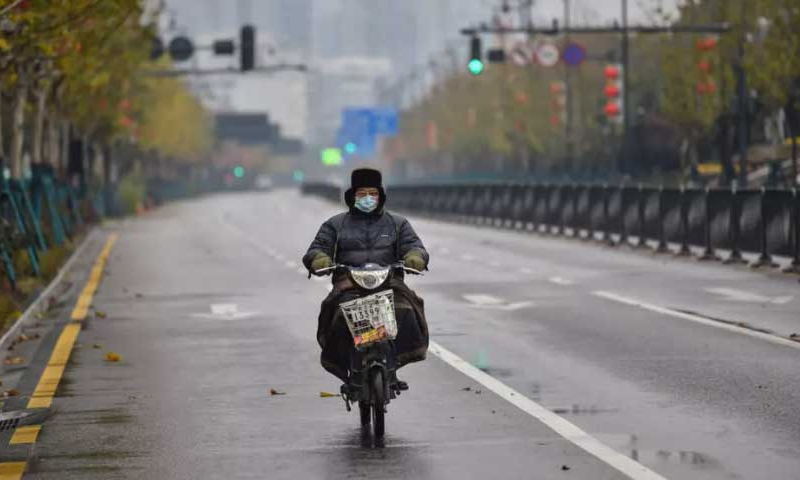
With Wuhan’s streets once deserted and hospitals overwhelmed by patients, the city’s transformation over the last few years is nothing short of remarkable. Once a place defined by fear and isolation, Wuhan now mirrors the vibrant energy of any modern Chinese metropolis, with crowded shopping streets and heavy traffic marking a stark contrast to the quiet of the initial lockdown days.
The Lockdown’s Lasting Impact: A Collective Memory Fading with Time
On January 23, 2020, Wuhan sealed itself off from the rest of China and the world for 76 days, ushering in the start of China’s zero-Covid era and marking the beginning of a global pandemic. For many Wuhan residents, the lockdown remains a distant memory, yet one that continues to shape their perspective. Jack He, a 20-year-old university student who lived through the pandemic’s early days, recalled the hardships he faced as a high school student during the lockdown, saying, “We still feel like those few years were especially tough… but a new life has started.”
However, as the city moves forward, much of the trauma of those early pandemic days is being pushed to the background. Locals are embracing a “new life” while the memories of the virus’ devastation become more distant. The pandemic, once a defining event for Wuhan, has now been relegated to the past as the city and its residents focus on the future.
The City’s Struggle with Its Pandemic Legacy
The physical remnants of Wuhan’s pandemic history are also disappearing. At the former site of the Huanan Seafood Wholesale Market, believed to be the likely location where the virus first jumped from animals to humans, a large blue wall has been erected to block the view of the market’s abandoned stalls. This site, once at the center of global attention, now remains unmarked, with little to acknowledge its significance in the origin of the global pandemic.
Moreover, in the New Huanan Seafood Market, located outside the city center, workers and vendors are reluctant to discuss the market’s past. Vendors have even received warnings about speaking to journalists, reflecting the city’s ongoing sensitivity to its role in the pandemic’s early stages. While there is a general sense of moving on, the city’s past is still treated with caution, and some still seem eager to erase or minimize its connection to the virus.
Commemorating the Covid-19 Struggles
While Wuhan has largely distanced itself from discussions about the pandemic, there are a few public displays that recognize the city’s struggle. One such place is an unassuming petrol station near the former Huoshenshan Hospital, which doubles as an “anti-Covid-19 pandemic educational base.” The station’s walls feature a timeline of the lockdown, with faded photographs of key events, including President Xi Jinping’s visit to Wuhan in March 2020.
However, public commemorations are few and far between. Despite the immense suffering experienced during the pandemic, there are no major memorials dedicated to the lives lost in Wuhan. The city’s official narrative mostly focuses on the heroism of medical staff and the efficient response to the crisis, with little mention of the widespread fear, uncertainty, and loss that also marked those early days.
The City of Heroes: A Shift in Perception
Despite the limited official commemorations, Wuhan is being redefined as a “city of heroes.” In the years since the pandemic’s peak, local pride has emerged, with many Wuhan residents feeling that the city has gained international recognition for its resilience. Chen Ziyi, a 40-year-old local, expressed how the city’s transformation had impacted her view of Wuhan, stating, “Now everyone pays more attention to Wuhan. They say Wuhan is the city of heroes.”
This shift in perception highlights the city’s resilience and ability to overcome adversity. The streets of Wuhan, once deserted under lockdown, are now full of life, with bustling markets and trendy shopping areas drawing crowds. The city is thriving economically, and there is a sense that Wuhan has been able to move past the trauma of the pandemic to become a symbol of recovery and strength.
Wuhan’s Vibrant Future: Moving Beyond the Pandemic
As Wuhan continues to grow and prosper, it remains a symbol of China’s ability to control and eventually move past the devastating impact of Covid-19. The city’s economy has recovered, and its streets are once again filled with activity. In the years since the lockdown, the public focus has shifted from fear and isolation to hope and progress.
The pandemic’s painful legacy is slowly fading, and while Wuhan’s connection to the virus will never be forgotten, its future looks bright. The city now stands as a testament to resilience, and while the past is part of its history, it is clear that Wuhan is eager to embrace its new identity as a thriving, forward-looking metropolis.
