
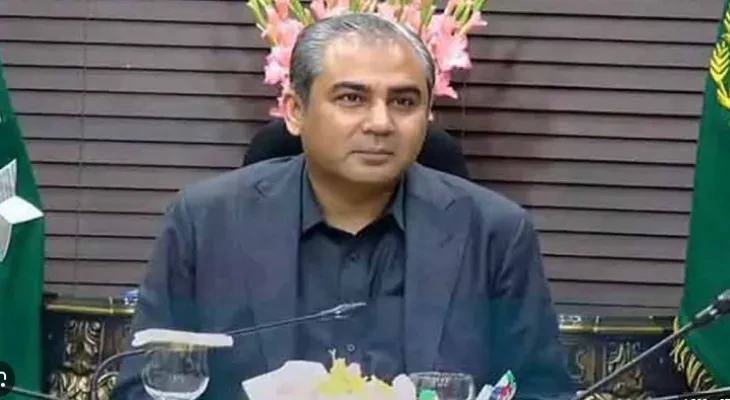
WEB DESK: Pakistan’s Interior Minister Mohsin Naqvi is scheduled to travel to Tehran today, Saturday, to push forward Islamabad’s ongoing diplomatic mediation aimed at breaking the deadlock in peace talks between Iran and the United States, Iranian state media reported.
Unannounced Visit for High-Stakes Facilitation
According to an informed source cited by the Tehran-based Mehr News Agency, the unannounced visit serves as a direct continuation of Pakistan’s high-stakes facilitation track. The trip follows a series of rapid backchannel engagements handled by Islamabad over the last few months to sustain a fragile regional ceasefire and permanently resolve hostilities.
SCO Sidelines and Intensifying Contacts
The sudden development comes less than 24 hours after Naqvi met his Iranian counterpart, Eskandar Momeni, on the sidelines of the Shanghai Cooperation Organisation (SCO) Interior Ministers’ meeting in Bishkek, Kyrgyzstan. During the bilateral discussions on Friday, both ministers reportedly emphasized the critical need for sustained diplomatic engagement to ensure long-term regional stability.
The Bishkek huddle was the second interaction between the two interior ministers since Thursday, reflecting an intensification of high-level contacts. Islamabad has increasingly positioned itself as a central interlocutor between Washington and Tehran, having previously hosted high-level delegations from both sides to keep the backchannel dialogue alive despite deep-seated policy differences.
Strategic Deadlock and the Mediation Track
This marks Naqvi’s third critical visit to the Iranian capital in recent weeks, following extensive mid-May consultations where he, alongside senior Pakistani security officials, met Iranian President Masoud Pezeshkian and top leadership. Pakistan’s diplomatic push has focused heavily on managing the security fallout of earlier regional military escalations and finding a middle ground on contested issues, including the scope of long-term enrichment restrictions versus sanctions relief.
Sensitive Negotiations
While official sources in Islamabad have yet to issue a formal statement regarding the interior minister’s itinerary for Saturday, diplomatic observers note that the unannounced nature of the visit underlines the sensitivity of the ongoing negotiations. Naqvi is expected to deliver modified proposals aimed at bridging the gap between the two adversaries and preventing any collapse of the current de-escalation framework.
The visit underscores Pakistan’s growing role as a key diplomatic player in the region, leveraging its relationships with both Washington and Tehran to facilitate dialogue. The international community has welcomed Pakistan’s mediation efforts, which have helped maintain a fragile ceasefire despite significant differences between the two nations. The success of these efforts could pave the way for a broader agreement addressing Iran’s nuclear program and the reopening of the Strait of Hormuz, a critical waterway for global energy supplies. However, analysts caution that the path to a comprehensive deal remains fraught with challenges, including deep mistrust and conflicting regional interests. Naqvi’s visit is seen as a crucial step in sustaining momentum and keeping diplomatic channels open. The outcome of his discussions in Tehran could determine whether the current de-escalation framework holds or collapses into renewed tensions. The international community continues to watch closely, hoping for a peaceful resolution to a conflict that has disrupted global energy markets and regional stability. Pakistan’s proactive diplomacy has earned praise from both sides, positioning Islamabad as an honest broker in one of the world’s most intractable disputes. The coming days will reveal whether Naqvi’s efforts can translate into tangible progress. The interior minister’s unannounced visit reflects the urgency of the situation and the high stakes involved. With both Iran and the US signaling a willingness to continue negotiations, Pakistan’s mediation role remains critical. The world hopes that this latest push will lead to a breakthrough, ending months of hostilities and paving the way for lasting peace. Naqvi’s visit to Tehran is a testament to Pakistan’s commitment to regional stability and its capacity to facilitate difficult conversations.
